
Guide on small business invoicing software in the Philippines
Compare the best invoicing software for small businesses in the Philippines and learn which ones fit your needs best.


Every peso counts for small businesses in the Philippines. One legal method to cut costs and stay fully compliant is by applying for a Bureau of Internal Revenue (BIR) Certificate of Tax Exemption (CTE).
A CTE is a legal document issued by the BIR. It simply confirms you or your organization is exempt from specific taxes. This helps lower expenses, builds trust with donors and partners, and simplifies government transactions.
A Certificate of Tax Exemption is usually valid for three years. Some groups, like non-stock, non-profit schools, don’t need to renew. Their CTE stays valid unless the BIR cancels it¹.
This guide explains who qualifies for a BIR tax exemption for small business in the Philippines along with the documents required and the steps to apply. It also highlights how Wise Business can make paying government fees and managing cross-border finances easier, so small businesses can focus on sustainable growth.
| Table of contents |
|---|
The type and structure of your business or organization determine your eligibility. A BIR tax exemption for small business in the Philippines is generally available to the following groups:
Satisfying the legal requirements isn’t enough. You must apply for and receive a CTE before you can officially claim your tax-exempt status.
Check if you or your organization qualifies for a small business tax exemption in the Philippines.
Being registered with the SEC or CDA doesn’t make you tax-exempt. You still need to apply to the BIR for a CTE to confirm your status⁴.
Prepare your documents early to prevent delays. The documents vary by your classification, such as individual, cooperative, or non-profit. These may include:
Applicants often face rejection because of missing or incomplete documents.
Most applications require:
Keep all receipts to submit with your application.
Visit the RDO where your business or organization is registered.
Bring both original documents and certified true copies for verification.
The BIR will evaluate your application.
Processing times vary. Simple applications may be approved quickly, while complicated cases, such as non-profits, might take longer.
Once approved, you will receive your Certificate of Tax Exemption.
Keep it in a secure place — it will be needed for government and financial transactions.
Most CTEs last three years. Renew on time to keep your tax-exempt status⁵.
When applying for a BIR tax exemption for small business in the Philippines, the documents you need will depend on your classification. Here are the most common requirements for each type of applicant:
For individuals applying for scholarship or livelihood programs:
For cooperatives:
For non-stock, non-profit educational institutions:
For other non-stock, non-profit corporations:
Requirements may change. Check the latest BIR memorandums or contact your local RDO to confirm the most up-to-date checklist.
Confirms your tax-exempt status
Builds trust with donors and partners
Protects against future tax issues
Specific challenges remain even with a BIR tax exemption for small business in the Philippines. Here are three common issues and how to address them:
Staying up-to-date with tax laws
Tax rules in the Philippines change frequently. For busy business owners, keeping track of updates while managing daily operations can be difficult.
To stay compliant, regularly check BIR announcements and updates.
Handling documentation and compliance
Applying for and maintaining a small business tax exemption Philippines requires detailed paperwork. Missing or incomplete files are a common cause of delays or rejected applications.
Managing international transactions
Businesses working with foreign clients face challenges like handling multiple currencies and avoiding high exchange fees.
Modern payment tools can help streamline cross-border transactions. They also make it easier to keep accurate financial records for BIR reporting.
For such companies, high foreign exchange fees and slow transactions add extra complexity.


| 💡If you're a business in the Philippines trying to go global, you've probably hit a wall of confusing foreign exchange fees when collecting payments from international customers. Wise Business helps you cut through all that complexity—be it a local bank transfer or a wire transfer. By simplifying how you receive payments, you're free to pursue what matters—growing a local brand with global sights. |
|---|
➡️Get started with Wise Business today
Securing a BIR tax exemption for small business in the Philippines is an important step toward legal compliance and long-term growth.
A valid CTE protects your organization from penalties. It also creates opportunities for funding and stronger partnerships.
By knowing the eligibility requirements and staying organized with the right documents, you can manage your tax obligations with confidence.
For businesses handling international payments, Wise Business presents an easy way to manage multiple currencies, streamline payments, and simplify reporting — supporting your tax-exempt status and growth goals.
Take the first step toward smoother operations and lasting success.
➡️Get started with Wise Business
Sources:
Sources checked on 24 September 2025.

Want more insights? Sign up to the Wise Business newsletter 💼
*Please see terms of use and product availability for your region or visit Wise fees and pricing for the most up to date pricing and fee information.
This publication is provided for general information purposes and does not constitute legal, tax or other professional advice from Wise Payments Limited or its subsidiaries and its affiliates, and it is not intended as a substitute for obtaining advice from a financial advisor or any other professional.
We make no representations, warranties or guarantees, whether expressed or implied, that the content in the publication is accurate, complete or up to date.
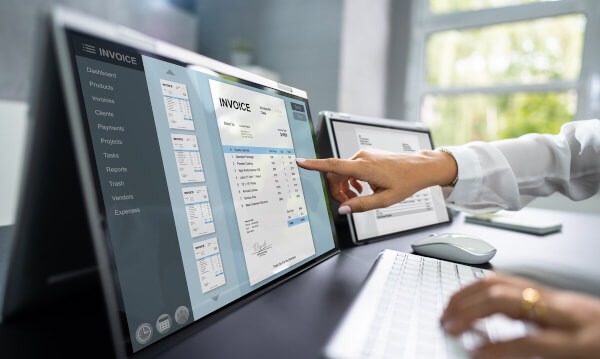
Compare the best invoicing software for small businesses in the Philippines and learn which ones fit your needs best.

For years, Filipino MSMEs (Micro, Small, and Medium Enterprises) have been tethered to traditional banks that demanded high maintaining balances and buried...

Learn how to pay international contractors from the Philippines while exploring taxes, compliance, and low-fee tools.
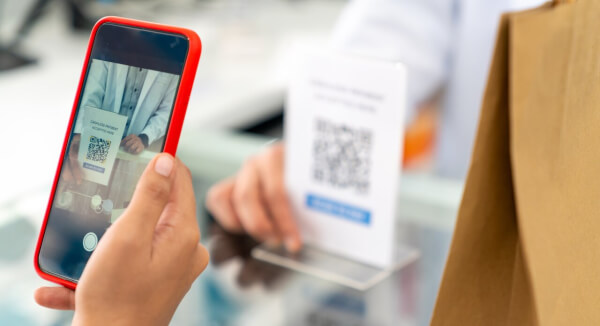
Learn how to get QR Ph for your Filipino business in 2026, compare top providers, and alternatives to help you scale payments globally.
Guide on BDO business accounts in the Philippines, including fees, features, requirements, and how it handles global payments.
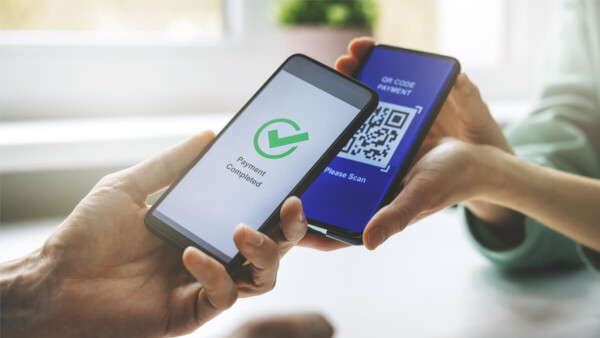
Learn more about different payment methods available in Philippines and how to find the right solution for your business.











