Best SIM Card for Japan Travel: Guide for Kiwis
Planning a trip from New Zealand to Japan? Compare the best Japan travel SIM cards and eSIMs to stay connected during your trip.




Pricing claim based on comparative data for select airports and passes. Live pricing is subject to exchange rate fluctuations.
📱Find out how to get lounge access
From powdery slopes to historic temples and world-class cuisine, Japan offers something for every kind of traveller. Add to that the bonus of direct flights from New Zealand, and it’s easy to see why Japan's such a popular place for Kiwi’s looking to explore.
If you're planning a visit, you might be wondering whether you need a visa to enter Japan. This guide breaks down Japan’s visa rules for New Zealand passport holders, plus how the Wise card can help you spend like a local while you're there.
| Table of contents |
|---|

Starting with the basics, do you need a visa if you’re a New Zealander visiting Japan?
Currently, New Zealand passport holders do not need a visa to visit Japan as a tourist for up to 90 days.² Thanks to reciprocal visa arrangements with Japan, the requirement to apply for a short stay tourist visa has been waived.
If you would like to stay in Japan for more than 90 days or plan to live or work there, you will need a visa.¹
For those entering under a visa exemption, all you need is a valid New Zealand passport. It’s highly recommended that you have medical insurance as well, but not required.¹
If you want to stay for reasons beyond what the 90 day visa exemption allows, you need to hold a valid visa. The visa application must be done at the Diplomatic Mission of Japan that oversees your place of residence.
In New Zealand there’s currently three Japanese diplomatic mission offices, located in Auckland, Christchurch and Wellington. Each has their own jurisdictional area which is mapped out on the Embassy website.³
| Office | Jurisdiction |
|---|---|
| Consulate-General of Japan Auckland | Auckland and the upper North Island |
| Consular Office of Japan Christchurch | Christchurch and the Canterbury Region |
| Embassy of Japan in New Zealand Wellington | Wellington, the lower North Island, and the South Island excluding Canterbury |
Keep in mind that visa requirements can change from time to time, so it’s best to check with the Japanese Embassy before leaving New Zealand.
Planning a trip to Japan? Read our guide on the best time to visit Japan here.
Setting the 90 day exemption aside, Japan offers a number of different visas that allow people to stay in the country longer and undertake study or commercial activities. You can find the complete list on the Ministry of Foreign Affairs of Japan website.
Here’s a few of the options that may be of interest if you’re a Kiwi looking to work or study in Japan.
For people with careers in specific fields it’s possible to get a working visa that allows you to live and work in Japan for 3 months, 1 year, 3 years or 5 years.⁵ Eligible fields include engineering, research, journalism, business management, legal services, accounting, medicine and nursing.
The basic application requirements include:
There may be some additional documents needed to support your application that are specific to New Zealand, which the Embassy will tell you about during the application process. To get the Certificate of Eligibility you can expect to have to provide proof of your qualifications, and may need an employer to sponsor you.
To overcome a shortage of skilled workers in specific fields, Japan came up with the Specified Skills Worker Visa.⁵ It’s valid for stays between 4 months and 3 years, depending on what you’re granted, and is currently available to 16 industries.⁷
During the application process you will need to provide your passport, a visa application form, valid photograph and Certificate of Eligibility. To get the Certificate of Eligibility you can expect to have to provide evidence of your experience and qualifications, and may need an employer to sponsor you.
For those wishing to study in Japan you’ll need to apply for the student visa.⁸ The length of validity may be determined by the length of the course you’ve been accepted to.
The basic application requirements include:
For the Certificate of Eligibility, it’s possible to get one by asking the school to issue a formal invitation to study there through the local Japanese immigration office on your behalf.
Based on a bilateral agreement Japan has with New Zealand, the Working Holiday visa allows young people to work in Japan to help supplement their travel fund while they explore the country.⁹
The visa has quite specific eligibility criteria:
Like the other visa’s, the application must be made at your local Japanese Diplomatic Mission in New Zealand.
There are rules about which industries people on this visa can work in (no bars or nightclubs allowed), and rules about how many times you can hold the visa. New Zealanders are allowed to have two inconsecutive one-year stays.
For people who work remotely there’s the Digital Nomad visa, which is valid for a 6 month stay.¹⁰ It allows the person to work online from Japan, and bring their spouse or children too.
The basic application requirements for the Digital Nomad visa include:
There are then additional requirements if a spouse or child is applying to come too.
The specifics of what’s needed to apply for a Japanese visa depends on the visa you want, but here are some common requirements.
- Valid passport
- Completed visa application form
- Valid photograph (35 x 35mm)
- Certificate of Eligibility
- Proof of funds or income
- Proof of medical insurance
Most visas require a Certificate of Eligibility, which acts as proof that the activity you’re applying for the visa under has been checked and accepted as valid.⁶ These certificates are managed by the Immigration Services Agency of Japan, and you can use a proxy to help apply for one.
Visa application fees must be paid for a visa to be issued and are charged in the local currency of the region where you applied from. For New Zealanders that’s NZD, and this is roughly what you can expect to pay:⁴
| Visa | Cost |
|---|---|
| Standard Visa (Single Entry) | 33 NZD |
| Standard Visa (Multiple Entry) | 65 NZD |
| Standard Transit Visa | 8 NZD |
| Extension of Validity of Re-Entry Permit | 33 NZD |
When planning your trip, it's crucial to consider how you'll spend in Japan. High foreign transaction fees or unfavorable exchange rates can quickly inflate your travel costs. The Wise card is a simple way to save up to 8x when you're spending internationally. You can spend in 150+ countries at mid-market rate — basically the rate you see on Google. With no foreign transaction fees and low, transparent pricing, Wise usually gives you the best value for your money.
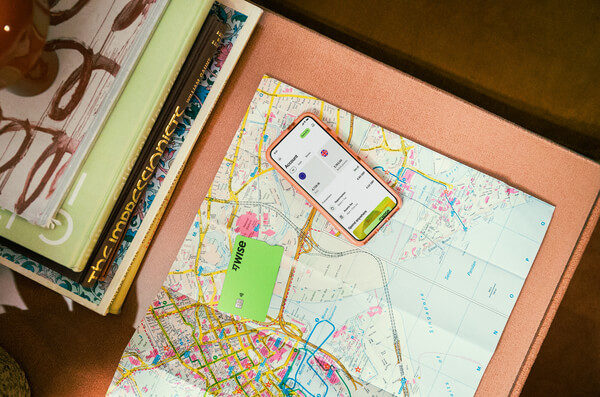
Simply create a Wise account for free, order a card and top-up NZD to get started. Having a physical Wise card allows you to make chip and pin payments, as well as make some free ATM withdrawals each month for when you're abroad. You can get digital cards and add to your Google or Apple Pay wallet for instant use. Spend directly with the Wise account in NZD and let auto-conversion do the trick or convert in advance to your desired currency. You can hold and exchange 40+ currencies in your Wise account and spend the currencies you hold for free.
Wherever your travel takes you, the Wise card makes spending money abroad cheaper and easier.
This general advice does not take into account your objectives, financial circumstances or needs and you should consider if it is appropriate for you. Savings claim based on our rates vs. selected New Zealand banks and other similar providers in Jan 2025. To learn more please visit https://payout-surge.live/nz/compare%3C/a%3E%3C/p%3E
Please see Terms of Use and product availability for your region or visit Wise Fees & Pricing for the most up to date pricing and fee information.
*Please see terms of use and product availability for your region or visit Wise fees and pricing for the most up to date pricing and fee information.
This publication is provided for general information purposes and does not constitute legal, tax or other professional advice from Wise Payments Limited or its subsidiaries and its affiliates, and it is not intended as a substitute for obtaining advice from a financial advisor or any other professional.
We make no representations, warranties or guarantees, whether expressed or implied, that the content in the publication is accurate, complete or up to date.

Planning a trip from New Zealand to Japan? Compare the best Japan travel SIM cards and eSIMs to stay connected during your trip.

Wondering when the best time to visit Japan is? Learn more about weather, seasons and what to do throughout the year in Japan.

Discover the essentials for traveling from New Zealand to Japan. Find information on flights, accommodations, cultural etiquette, and unmissable experiences.