
9 Best UOB Travel Credit Cards in Malaysia to Master Your Miles this 2026
Want to master your miles this 2026? Check out our review of UOB’s best travel cards. Also, see how the Wise card helps you keep more of your ringgit abroad.



The world is bigger than your budget – if you know how to work it. With the right planning and a strategic approach to booking, you can stretch your money significantly further without sacrificing the quality of your trip.
This guide covers the best budget travel tips at every stage of your journey: from choosing the right destination and securing cheap flights, to finding smart accommodation and sidestepping the hidden fees that quietly drain your funds abroad. We'll also introduce the Wise card, a handy travel companion to make seamless card payments when you're overseas.
| Table of Contents |
|---|
Your destination choice does more to shape your budget than almost anything else. Picking naturally affordable travel spots – like neighbouring destinations across Southeast Asia such as Thailand, Vietnam, and Indonesia, or venturing further afield to parts of Latin America or Eastern Europe – can make your money go two or three times further than it would in notoriously expensive regions like Scandinavia or Western Europe.
Timing matters just as much. Travelling during the shoulder season – the months immediately before or after peak holiday periods, including school holidays and major festive periods – hits a sweet spot of pleasant weather, fewer crowds, and significantly lower prices. And before you leave, set a realistic daily travel budget. Knowing exactly what you can spend each day prevents impulsive overspending and keeps your finances firmly on track.
Affordable airfare comes down to one thing: flexibility. Set up fare alerts on aggregators like Google Flights¹ or Skyscanner² and keep a close eye on price drops before you commit.
According to Expedia's 2026 Air Hacks Report, Friday has become the cheapest day to both book and fly³ – a shift driven by fewer business travellers heading home later in the working week. And if you'd rather skip the airport chaos altogether? Tuesday is the least busy day in the air, making it the quieter, calmer choice.
Timing your booking is just as important as timing your flight. The same report found that international travellers can save by booking 31 to 45 days before departure – but if you're comfortable cutting it closer, booking just 8 to 15 days out can unlock the best savings of all on international fares³. And if you have any flexibility around the calendar, August tends to be the most affordable month to travel overall.
Don't be afraid to mix and match airlines for different legs of your journey instead of defaulting to a straightforward return. And one of the simplest ways to save on low-cost carriers? Pack light. Nearly half of all travellers now fly carry-on only – and for good reason. Travelling with hand luggage only lets you sidestep steep checked baggage fees, which can sometimes cost as much as the flight itself.
Pro tip: Enter a specific prompt into Google Flights' AI tool⁴ to find the cheapest deals by describing exactly when, where, and how you'd like to travel.
| Planning a trip? Learn how to find affordable flight tickets from Malaysia |
|---|
Accommodation is usually one of your biggest fixed costs, so getting this right matters. Rather than defaulting straight to standard hotels, compare budget-friendly alternatives: hostels, local guesthouses, and budget hotel chains. Staying slightly outside the city centre can also cut nightly rates significantly – as long as reliable public transport links are nearby.
Use booking platforms, last-minute apps, and hotel loyalty programmes to unlock discounts. Even signing up for a free account on major booking sites can surface hidden member pricing that isn't available otherwise.
| Accommodation Type | Average Cost | Best Suited For | Pros & Cons |
|---|---|---|---|
| Hostels | Low | Solo travellers, backpackers | |
| Guesthouses | Low to Medium | Couples, slow travellers | |
| Budget Hotels | Medium | Short city breaks, families |
Want to cut accommodation costs even further? Look into non-traditional lodging. Platforms offering house-sitting, work exchanges, or couchsurfing let you trade your time or skills for a free place to stay.
For longer trips, vacation rentals are worth a closer look too. They can seem pricey for a weekend, but many hosts offer significant weekly or monthly discounts – making them a highly cost-effective option for extended travel.
Once you arrive, skip the expensive private transfers and taxis. Public transit – local buses, metros, and trams – gets you there at a fraction of the cost. And walking costs nothing at all, while being one of the most effective ways to genuinely experience a new city.
For longer journeys between cities, overnight trains and buses serve a dual purpose: cheap transport that doubles as a free night's accommodation. When public transport isn't viable, local ride-sharing apps and bicycle rentals almost always offer better value than hailing a traditional cab.
Eating on a budget doesn't mean living on instant noodles. It means being smarter about where – and when – you eat.
A useful starting point: avoid anywhere that's doing the hard sell. The late Anthony Bourdain – food writer and traveller – argued that the most reliable signal of a good local restaurant is an absence of tourist-facing cues. If the menu has no food photos, isn't printed in English, and the tables are full of people who clearly know the staff, you're probably in the right place⁵.
Timing is worth thinking about too. If you have flexibility, Tuesday tends to be the best day to eat out⁵. Why? Well, the week's fresh produce has just come in, and the chef is most likely rejuvenated after his off-day (most chefs take the day off on Monday). It's a small difference, but a meaningful one. And one counterintuitive thing to keep in mind when you're navigating an unfamiliar city: a dirty bathroom isn't necessarily a red flag⁵. Some of the most memorable meals come from places like that.
On the ground, seek out local fresh food markets, street food stalls, and independent supermarkets for affordable, authentic meals – the kind of hawker-style eating that Malaysians already know delivers exceptional value.
Where possible, make lunch your main meal of the day. Many restaurants offer a set menu or "menu of the day" at lunchtime – a multi-course meal at a fraction of the dinner price. And if your accommodation has a shared kitchen, use it. Handling basic breakfasts and snacks yourself is a simple way to protect your budget for the meals that actually matter.
Entertainment and sightseeing don't have to be expensive. Most major cities offer free walking tours – a great way to orient yourself and learn from a local guide. Just remember to tip what you can afford at the end.
Research free-entry days at major cultural landmarks and museums before you go. Spend time in city parks, hike natural trails, and use free self-guided audio tours on your smartphone.
Planning to visit multiple paid attractions? Look into city tourism cards or passes that bundle transport and entry fees at a steep discount – the T-Money card in Korea and the Suica card in Japan are excellent examples of value-for-money transportation cards.
Hidden fees can quietly dismantle a well-planned budget. Use a travel card or bank account with no foreign transaction fees so you're not penalised every time you tap your card abroad.
One option worth knowing about is the Wise card – a multi-currency travel card that lets you hold and spend in 40+ currencies at the mid-market rate (the same rate you'd see on Google), with low, transparent fees and no foreign transaction fees or exchange rate markups. You can convert your money in advance or let it auto-convert at the point of payment, which makes it a practical tool for keeping your spending on budget across different countries. It won't replace your main bank card, but as a dedicated travel card, it takes a lot of the guesswork out of managing money abroad.
Want to see the live mid-market rate for yourself? Take a look below:
| New to the Wise card? Here’s what you need to know before spending overseas |
|---|
When withdrawing cash from local ATMs, always decline dynamic currency conversion (DCC). If the ATM asks whether you'd like to be charged in your home currency, say no. Selecting the local currency means your own bank sets the exchange rate – not the ATM provider, whose rate is typically heavily inflated. Avoid airport exchange kiosks altogether; their commission margins are notoriously high and rarely competitive.
To avoid steep international roaming charges, buy a local SIM card on arrival or download an eSIM before you fly. And don't skip travel insurance. Comprehensive cover protects you from medical bills or cancellation costs that could otherwise financially wipe you out.
In any case, travelling on a budget is less about cutting back and more about making smarter choices. Pick your destination carefully, compare flights across aggregators like Google Flights or Skyscanner, and stay ahead of your daily spending.
Yes – and generally very safe. Staying in reputable hostels or well-reviewed guesthouses often provides a built-in community of fellow travellers. The standard rules apply: secure your valuables, research neighbourhoods before booking, and trust your instincts.
This depends heavily on your destination. A month in Southeast Asia might cost RM6,000 to RM9,000, whereas a month in Western Europe could easily demand double that. Calculate your estimated daily travel budget, multiply it by your trip length, and add a 20% buffer for emergencies.
Absolutely. Families can save significantly by booking vacation rentals with kitchens to reduce food costs, travelling during off-peak times, and focusing on free outdoor activities like beach days, hiking, and exploring national parks.
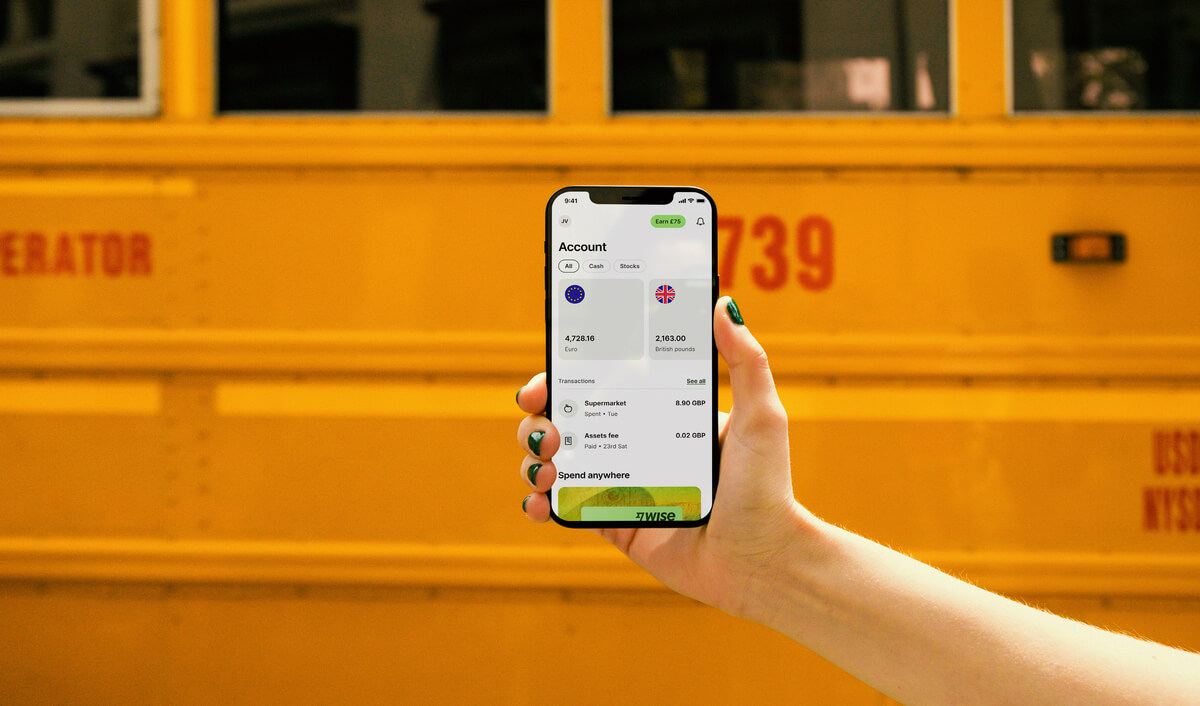
The Wise card lets you spend in 40+ currencies at the mid-market rate including CNY, JPY, GBP, and SGD so you know you'll be getting a great deal in over 150+ countries. Simply create a free Wise account, order a card and top-up MYR to get started.
Virtual cards are free and can be added to your Google or Apple Pay wallet, while a physical Wise card can be ordered for a low fee of 13.7 MYR. Having a physical Wise card allows you to make chip and pin payments, as well as two free ATM withdrawals to the value of 1,000 MYR each month, before low fees start.
While abroad, you can choose to spend with directly in MYR and let auto-conversion do the trick, or convert to your desired currency with your Wise account. Either way, you’ll get the exchange rate you see on Google, with low, transparent fees from 0.77%.
| Planning a trip on a budget? Here are some of the cheapest countries to visit from Malaysia |
|---|

*Please see terms of use and product availability for your region or visit Wise fees and pricing for the most up to date pricing and fee information.
This publication is provided for general information purposes and does not constitute legal, tax or other professional advice from Wise Payments Limited or its subsidiaries and its affiliates, and it is not intended as a substitute for obtaining advice from a financial advisor or any other professional.
We make no representations, warranties or guarantees, whether expressed or implied, that the content in the publication is accurate, complete or up to date.
Want to master your miles this 2026? Check out our review of UOB’s best travel cards. Also, see how the Wise card helps you keep more of your ringgit abroad.

Compare 2026 CIMB travel cards in Malaysia. Review lounge access and Enrich miles. See why pairing with Wise is the ultimate hack to avoid high FX fees.
Planning to use your CIMB debit card abroad? Learn more about how to activate, transaction fees, withdrawal fees and more.
Planning to use your Maybank debit card abroad? Learn more about how to activate, transaction fees, withdrawal fees and more.

Planning to use your RHB credit card abroad? Learn more about how to activate, transaction fees, withdrawal fees and more.
Planning to use your UOB credit card abroad? Learn more about how to activate, transaction fees, withdrawal fees and more.











