The world’s 10 biggest airports
Discover the top 10 largest airports worldwide: see which impress most for size, structure and connectivity.


Thanks to advances in technology and specialist crew training, flying has become extremely safe, but there are still the scariest airports in the world that serve up challenges worthy of an action film.
If you love to travel and collect unusual stories, visiting them is an adventure in itself. Check out below the top 10, what makes them so feared and why, despite everything, they continue to welcome flights every year.
We will also present the Wise Card, a multicurrency debit card that allows you to spend in +40 currencies, always converting your money at the mid-market exchange rate.
Learn more about
the Wise card 💳
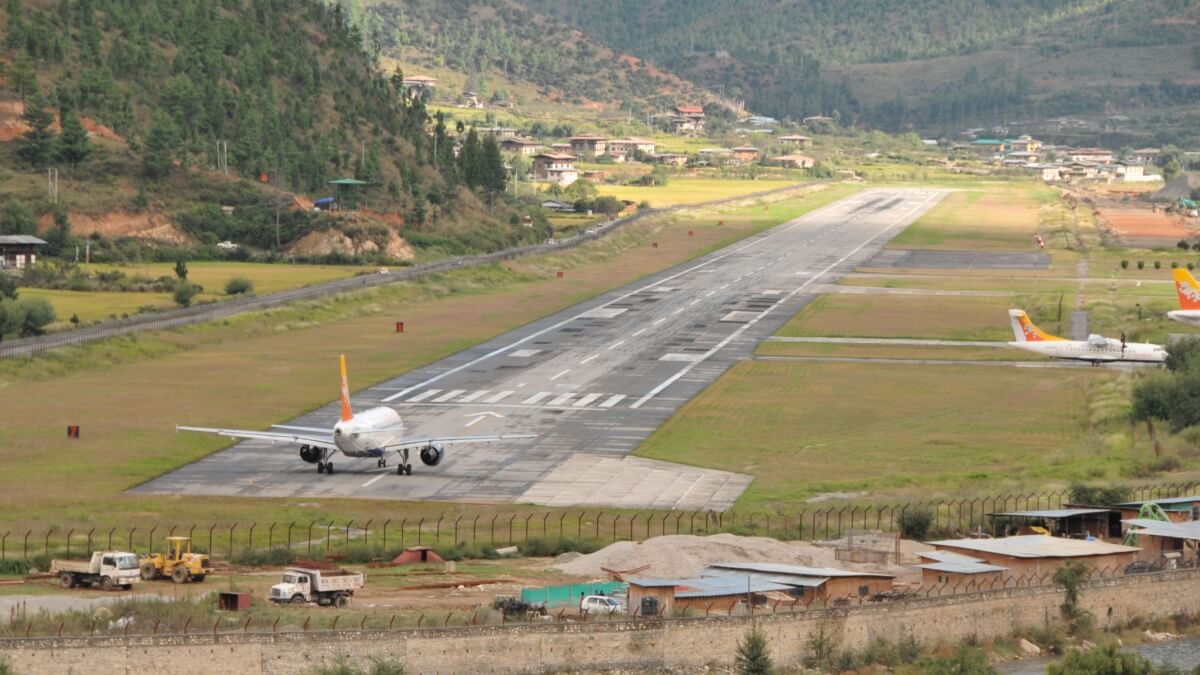
Paro International Airport, in Bhutan, is the scariest airport in the world, according to the ranking by The Luxury Travel Expert.¹
Set in a deep valley and surrounded by mountains reaching 5,500 metres, it offers one of the most challenging approaches in world aviation — without doubt a frightening one. On top of that, the unpredictable weather, with strong winds and turbulence, demands exceptional skill from pilots.
Landings can only take place during daylight and in full visual conditions, as the final approach is flown visually. To ratchet up the tension, the runway only becomes visible in the final moments, after the aircraft executes 45‑degree manoeuvres between the mountains.
The specialist site The Luxury Travel Expert, known for creating rankings and analyses of destinations and travel experiences, compiled the list of the scariest airports in the world based on criteria that go beyond a dangerous landing. After all, what is considered scary can vary from person to person.
With that in mind, they assessed aspects that heighten the tension of take-offs and landings, such as:
- Location in mountainous areas or surrounded by natural obstacles
- Extremely short runways, under 800 metres in length
- Adverse weather conditions, such as strong winds and severe turbulence
- The need for complex visual approaches that require risky manoeuvres
- Only a limited number of pilots authorised to operate at the airport, due to the high level of difficulty
- Proximity to oceans, cliffs or built-up areas
- Limited infrastructure, with narrow runways, inadequate lighting or minimal navigation aids
- A history of accidents/incidents or a remote location
That said, it’s worth remembering that despite these airports’ reputations, the aeroplane is the safest means of transport in the world. Commercial aviation has one of the lowest accident rates and the chance of a flight suffering a fatal accident is approximately 1 in 11 million.²
Moreover, even when incidents do occur, most do not result in fatalities, thanks to advanced safety systems, rigorous crew training, and technologies that enable emergency landings and controlled manoeuvres.

Each of these airports has its own quirks, whether due to geography, unpredictable weather, or even a lack of the infrastructure we’re used to.
Beyond the challenges each runway presents, these airports are spread across different countries and territories, each with its own official currency. Below, we’ve gathered the 10 scariest airports in the world, their location and the currency used in each destination.
| Airport | Country | Official currency |
|---|---|---|
| Paro International Airport | Bhutan | Bhutanese ngultrum (BTN) |
| Gustaf III Airport (St. Barts) | Saint Barthélemy (French Antilles) | Euro (EUR) |
| Juancho E. Yrausquin Airport | Saba (Dutch Caribbean) | Netherlands Antillean guilder (ANG) |
| Courchevel Airport | France | Euro (EUR) |
| Tenzing-Hillary Airport (Lukla) | Nepal | Nepalese rupee (NPR) |
| Madeira Cristiano Ronaldo International Airport (formerly Funchal) | Portugal | Euro (EUR) |
| Toncontín Airport | Honduras | Honduran lempira (HNL) |
| Innsbruck Airport | Austria | Euro (EUR) |
| Princess Juliana International Airport | Sint Maarten | Netherlands Antillean guilder (ANG) |
| Gibraltar International Airport | Gibraltar (British Overseas Territory) | Gibraltar pound (GIP) |
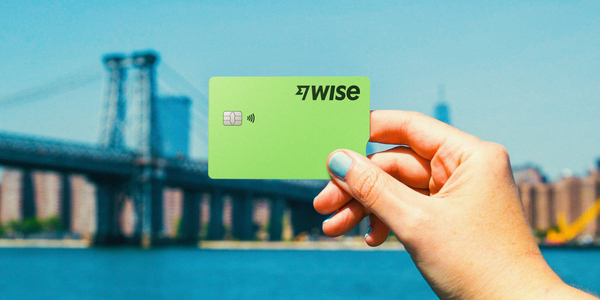
If you’re looking for a cost effective way to spend overseas in different currencies then the Wise card is a great option.
The card is linked to the Wise Account - which allows you to hold, convert, send and receive money in multiple currencies, and always offering the mid-market exchange rate for currency conversions.
Check out some of the benefits of using a Wise card:
Wise will not charge you for these withdrawals, but some additional charges may occur from independent ATM networks.
Sources referenced in this article:
Sources last verified on 11 August 2025
*Please see terms of use and product availability for your region or visit Wise fees and pricing for the most up to date pricing and fee information.
This publication is provided for general information purposes and does not constitute legal, tax or other professional advice from Wise Payments Limited or its subsidiaries and its affiliates, and it is not intended as a substitute for obtaining advice from a financial advisor or any other professional.
We make no representations, warranties or guarantees, whether expressed or implied, that the content in the publication is accurate, complete or up to date.
Discover the top 10 largest airports worldwide: see which impress most for size, structure and connectivity.

Read if Revolut works in South Africa and what are the fees for using the account and card in the country.

Did your Ryanair flight get delayed? Discover your rights and how to apply for compensation.

Is it possible to use a Swirl card abroad? How much are the fees and how does that work? Read all about it here.

Can you use your An Post currency card abroad? And what are the costs? Discover in this guide.

Here's all you need to know when using your AIB debit card abroad. Check out the changes when paying and also withdrawing in an ATM.