
GlobalWebPay Alternative
GlobalWebPay is not as expensive as traditional banks out there however, for some transfers, Wise might be able to save you more money.


Ever wondered which is the weakest currency in the world?
A weak currency can be defined as one with a low or decreasing value in comparison to other currencies.
There are many things that can cause currency depreciation, including central bank intervention, a rise in imports, lower export revenues, inflation rate changes and political instability.
Below, we’ll run through the list of the 20 weakest currencies in the world in 2026. You may be surprised as to what comes out on top.


Here are the top 20 weakest global currencies in 2026, with the weakest on top:1
| Position | Currency (Code) | Country |
|---|---|---|
| 1 | Lebanese pound (LBP) | Lebanon |
| 2 | Iranian rial (IRR) | Iran |
| 3 | Vietnamese dong (VND) | Vietnam |
| 4 | Laotian kip (LAK) | Laos |
| 5 | Indonesian rupiah (IDR) | Indonesia |
| 6 | Uzbekistani som (UZS) | Uzbekistan |
| 7 | Guinean franc (GNF) | Guinea |
| 8 | Paraguayan guarani (PYG) | Paraguay |
| 9 | Malagasy ariary (MGA) | Madagascar |
| 10 | Cambodian riel (KHR) | Cambodia |
| 11 | Burundian franc (BIF) | Burundi |
| 12 | Congolese franc (CDF) | Democratic Republic of Congo |
| 13 | Tanzanian shilling (TZS) | Tanzania |
| 14 | Myanmar kyat (MMK) | Myanmar |
| 15 | Nigerian naira (NGN) | Nigeria |
| 16 | Iraqi dinar (IQD) | Iraq |
| 17 | Argentine peso (ARS) | Argentina |
| 18 | Sudanese pound (SDG) | Sudan |
| 19 | Kazakhstani tenge (KZT) | Kazakhstan |
| 20 | Sri Lankan rupee (LKR) | Sri Lanka |
We’ll cover each currency in the list, but first, want to know what the strongest currencies in the world are? Read our guide below.
📚 Strongest currencies in the world

The Lebanese pound (LBP) is the world’s weakest currency, and has been at or near the top of this list for a few years. This is mainly because of high inflation and a depressed economy, as well as political instability. The country has also been suffering from a banking crisis since 2019.
Explore live LBP exchange rates.
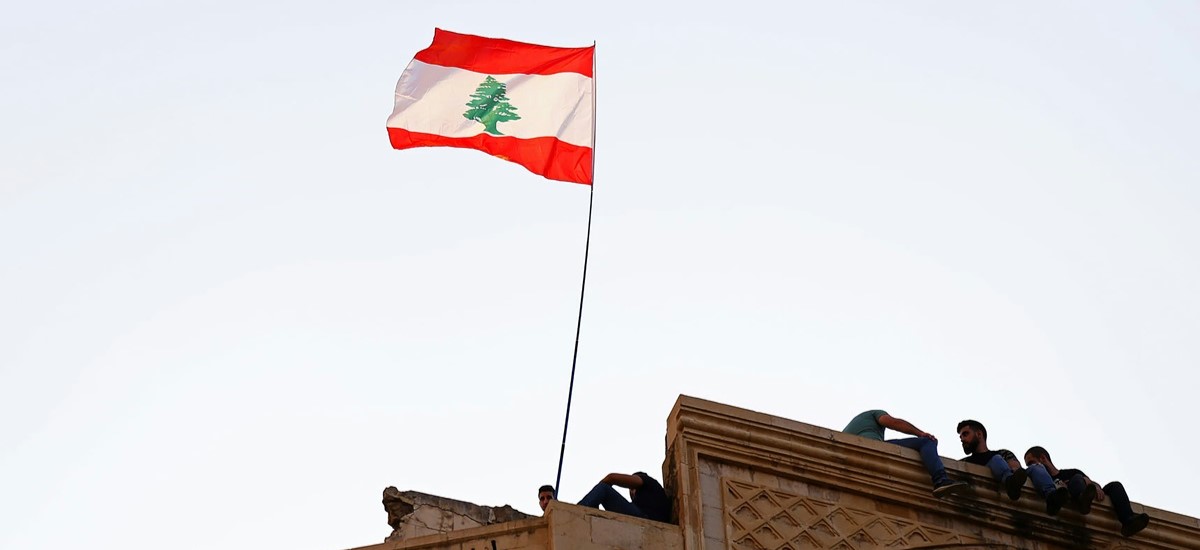
Lebanon is a narrow strip of a country in the Middle East, next to the Mediterranean sea. It also borders Syria and Israel.
It has lots of appeal to tourists, including nature reserves, incredible food and the beautiful capital city of Beirut. This is a diverse city which attracts expats from around the world.
However, the country continues to experience armed conflict, so it’s not currently safe to travel there.
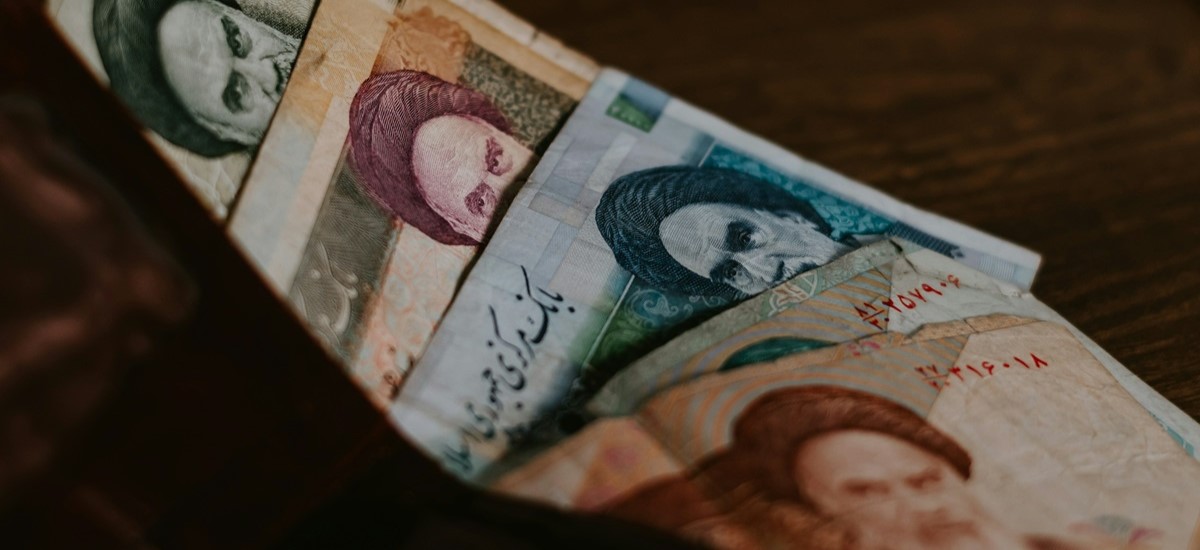
The Iranian rial (IRR) has been suffering ever since the US-Iran nuclear deal fell through back in 2015 - when heavy sanctions were also imposed. The rial went into freefall, stabilised in recent years and then experienced new pressure due to flaring tensions in the Middle East.
Compare today’s IRR exchange rates.

Located on the Persian Gulf, Iran shares a border with both Afghanistan and Iraq. It is a country known for its delicious food and many UNESCO World Heritage Sites, although tourism is relatively low. Some expats do live there, mainly working in the oil and gas industries.
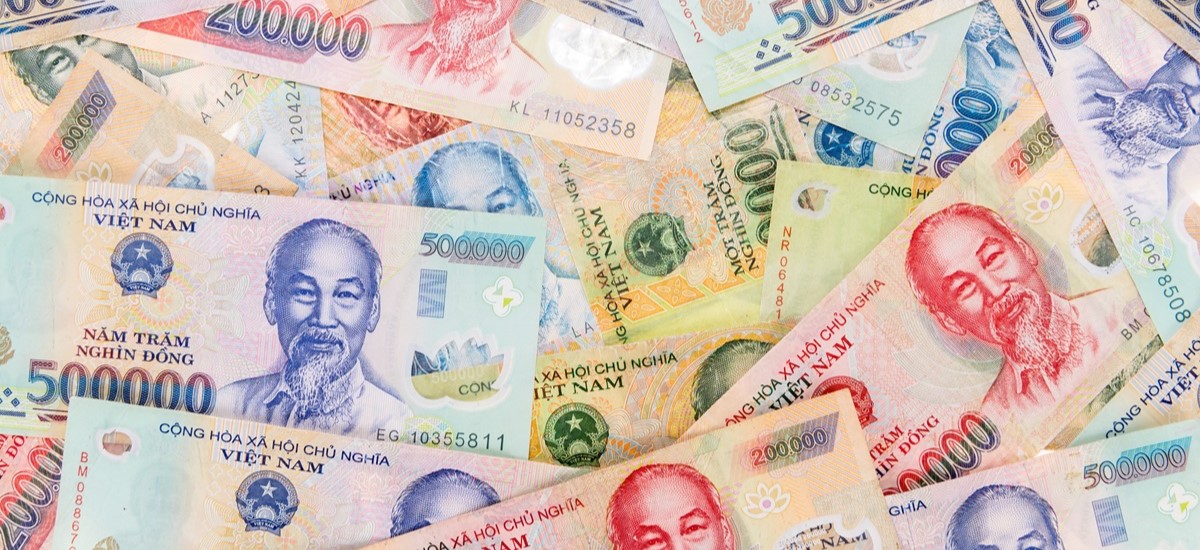
Third on the list of the world’s weakest currencies is the Vietnamese dong (VND). This is mainly because of restrictions on foreign exports, which have also slowed in volume. The country’s Central Bank has also devalued the dong in recent years, as part of efforts to boost exports.
Read more about the currency in Vietnam.
Explore live VND exchange rates.
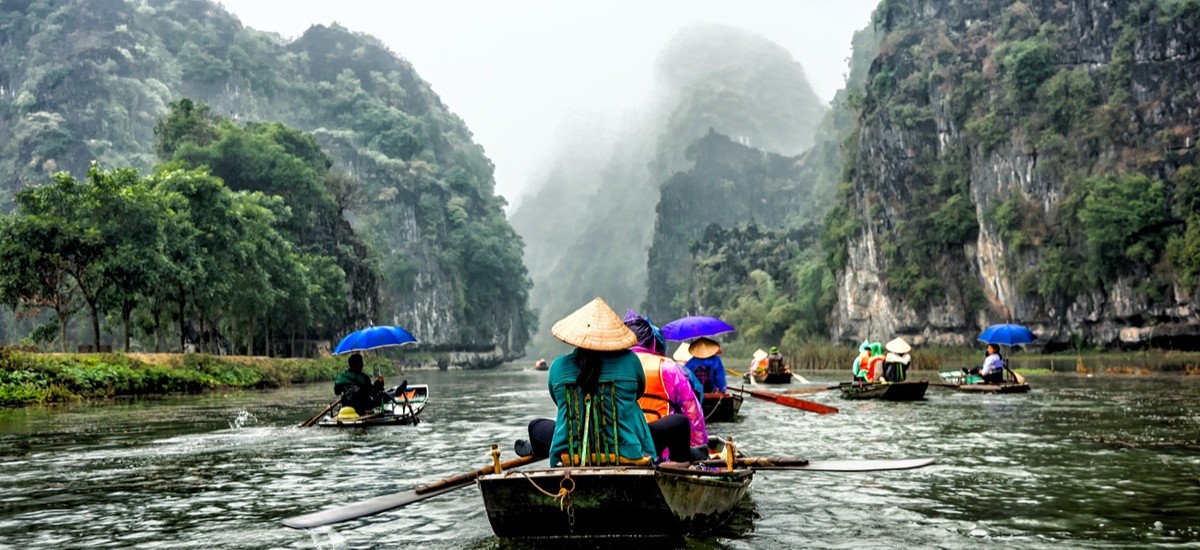
Located next to the South China Sea, Vietnam shares borders with Cambodia, Laos and China. It’s known as a staggeringly beautiful country, with its stunning scenery, vibrant food and low cost of living attracting both tourists and expats in their droves.
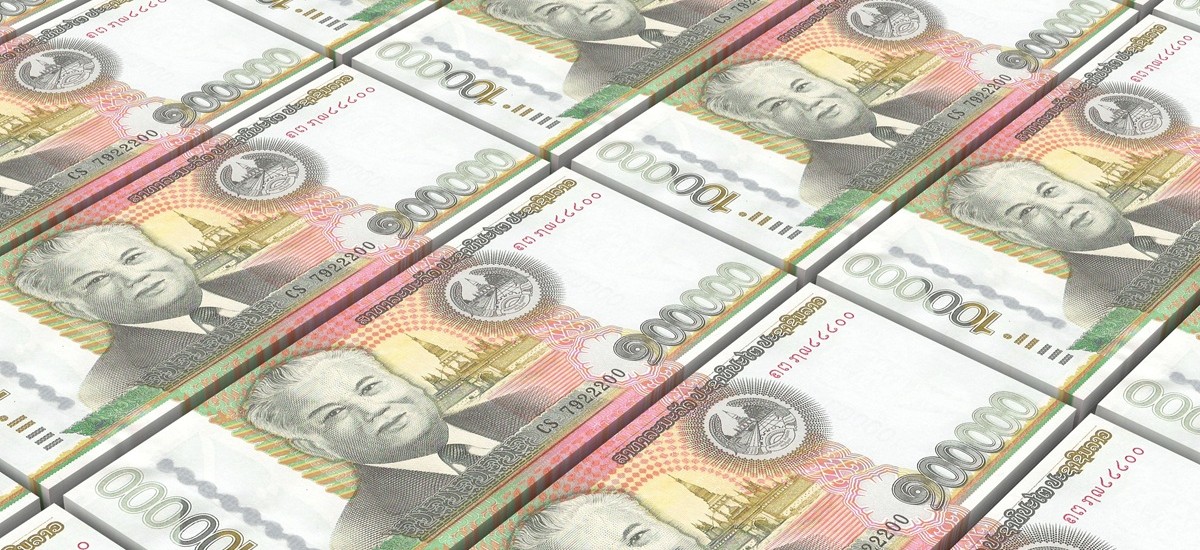
The Lao or Laotian kip (LAK) is one of the weakest global currencies due to a combination of factors. These include high inflation, slow economic growth and increasing foreign debt.
Explore live LAK exchange rates.
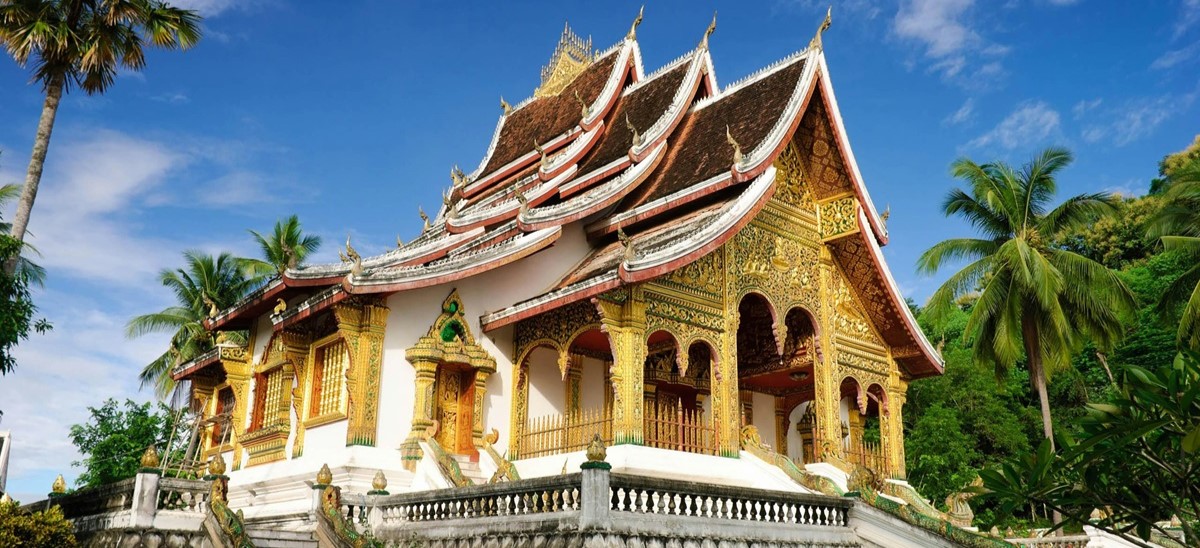
The Southeast Asian country of Laos is bordered by China, Vietnam, Thailand and Cambodia.
It’s known for its charming French colonial architecture, rugged mountainous scenery and the mighty Mekong River which runs through it. It’s a must-visit for tourists looking for off the beaten track adventures, while its capital Vientiane is also home to a growing expat community.
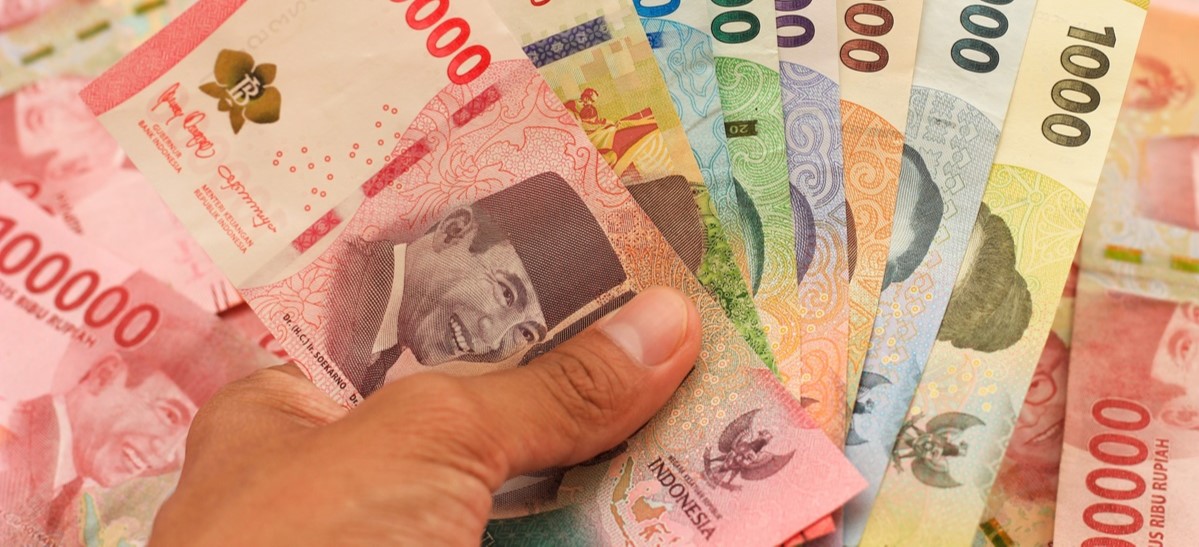
The Indonesian rupiah (IDR) is one of the world’s weakest currencies due to two main factors. These are high inflation, and a volatile economy - which some analysts still fear may go into recession. Both of these depress the currency, despite the fact that Indonesia is one of the largest countries in Southeast Asia by GDP.
Explore live IDR exchange rates.
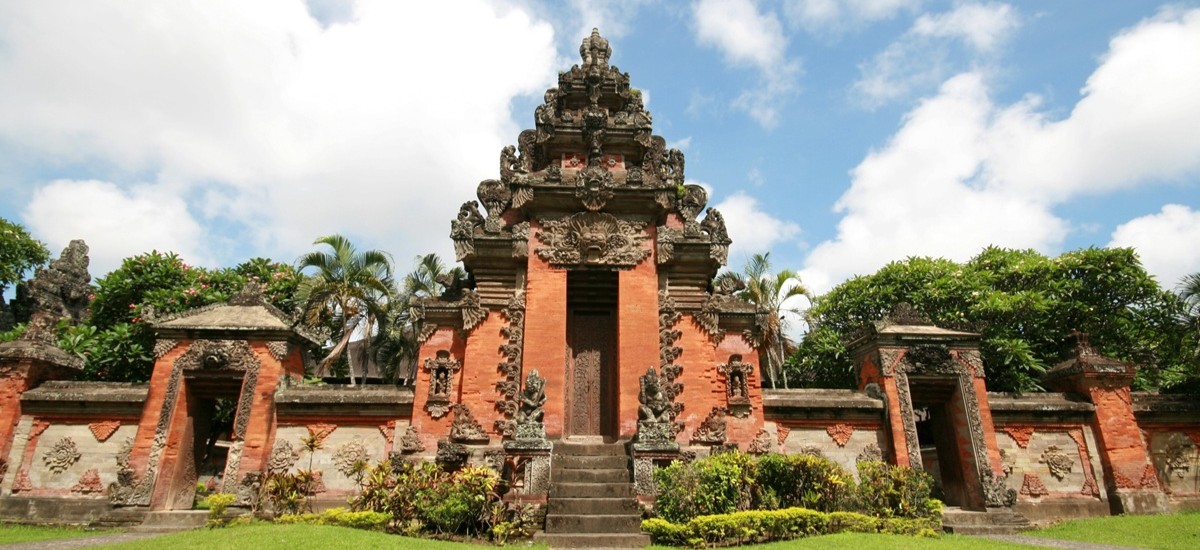
The island nation of Indonesia in Southeast Asia has a whopping 17,000+ islands, so visitors will have plenty of stunning beaches, towns and cities to explore.
Expats are drawn to its low cost of living, tropical climate and outstanding natural beauty, as well as the growing job and business opportunities in thriving cities such as Jakarta and Surabaya.
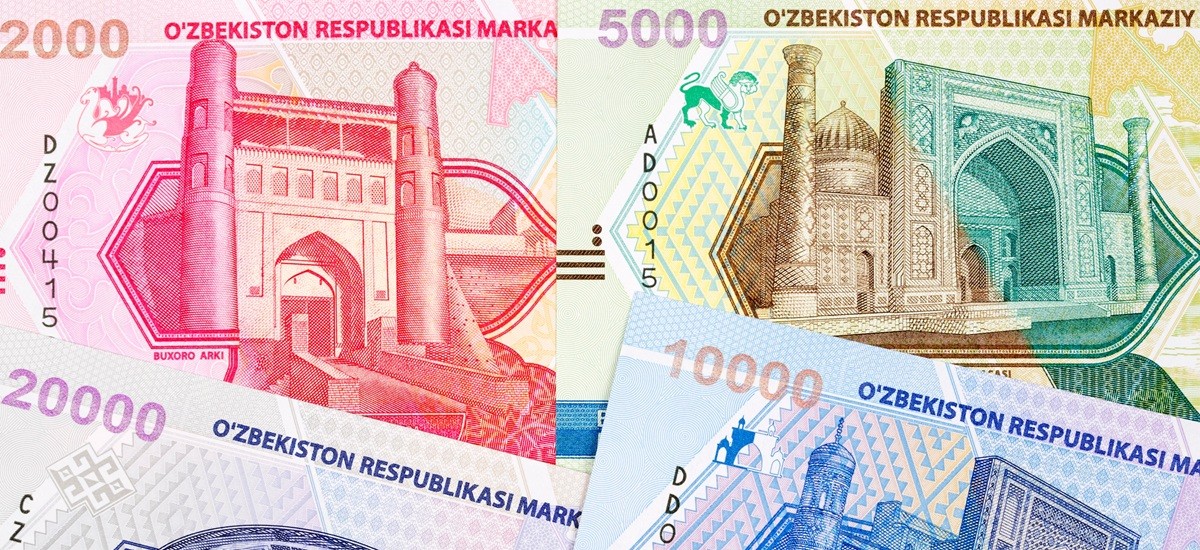
Despite Uzbekistan having substantial oil and gas reserves (which is a key feature of countries with some of the world’s strongest currencies) the Uzbekistan som (UZS) has continued to struggle in recent years. This is likely due to factors such as high unemployment, high inflation, low economic growth and issues with corruption.
Compare live UZS exchange rates.
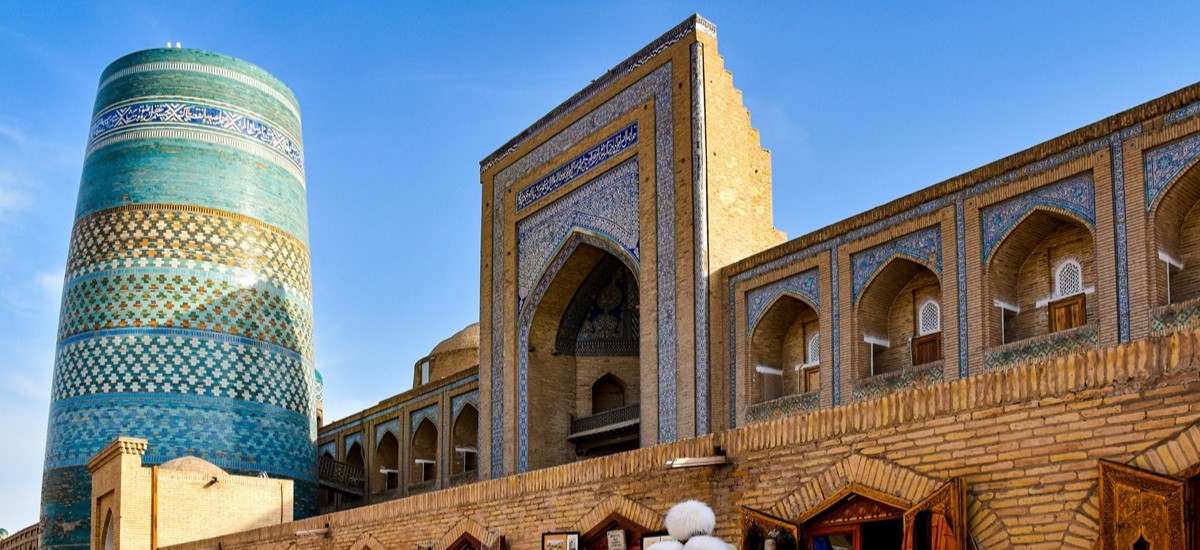
Uzbekistan is located in central Asia, and is bordered by Afghanistan, Kazakhstan, Kyrgyzstan, Turkmenistan and Tajikistan.
The country is home to some of the world’s oldest cities - Samarkand, Bukhara and Khiva. Its UNESCO treasures, along with its reputation for safety, makes Uzbekistan a popular choice for tourists. It’s also a top pick for expats, particularly due to its low costs of living.
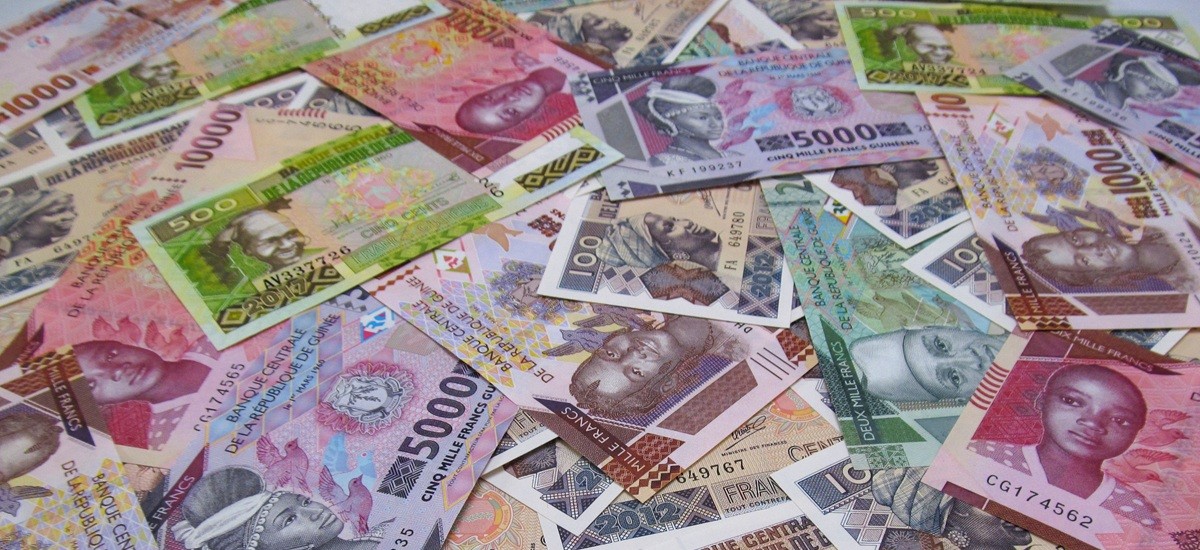
The Guinean Franc (GNF) began its decline following conflicts in the 1990s. It remains one of the world’s weakest currencies due to factors such as military unrest and high inflation. However, the GNF has been showing recent signs of stabilising.
Explore live GNF exchange rates.

A former French colony, Guinea is located in sub-Saharan Africa and borders both Sierra Leone and Liberia.
It doesn’t have an enormous amount of tourists and expats, partly due to difficulties with poorly maintained infrastructure which can make it hard to get around. But those that do visit this beautiful country discover friendly people, a rich and diverse cultural heritage and stunning natural landscapes.
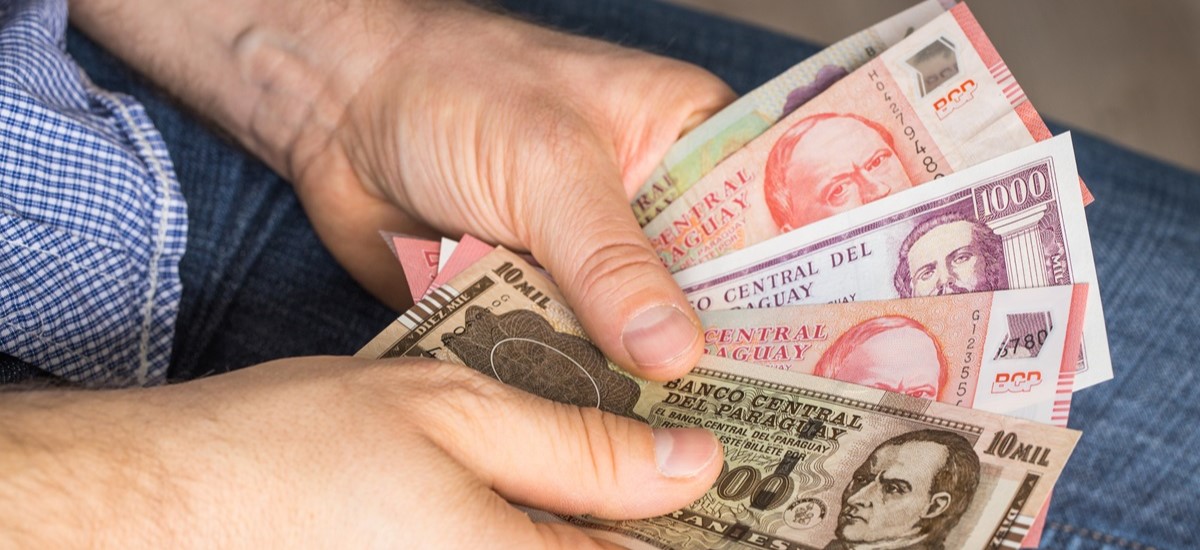
Paraguay’s currency guarani (PYG) has suffered from persistent issues with inflation and unemployment, making it one of the world’s weakest. The PYG is also hampered by corruption and counterfeit currency.
Explore live PYG exchange rates.
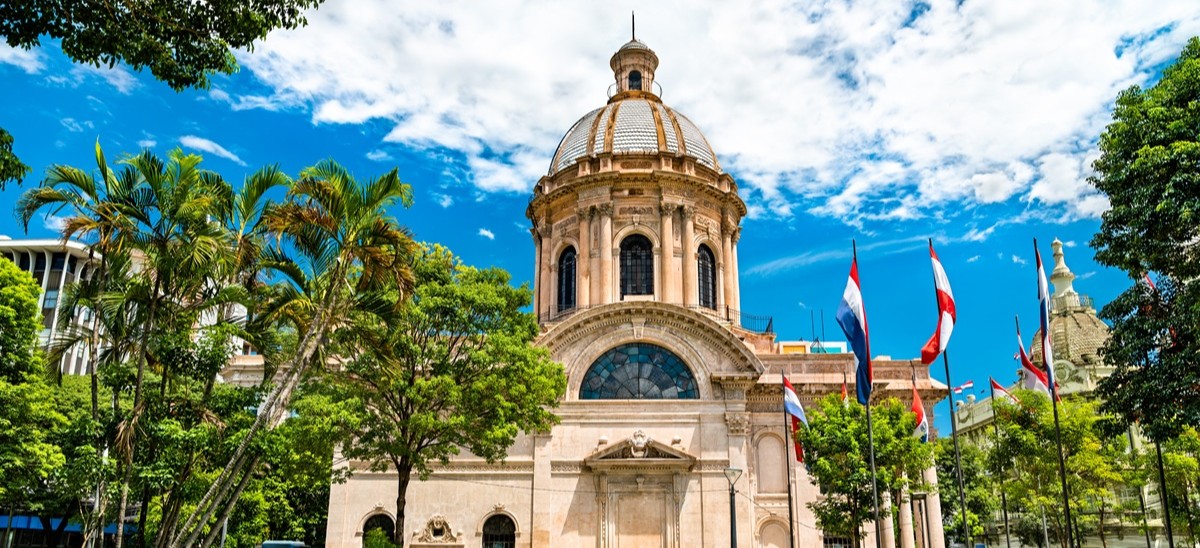
Landlocked South American country Paraguay has Argentina, Brazil and Bolivia as its neighbours. It is something of a hidden gem from a tourism perspective, with no risk of crowds in its lively cities and natural beauty spots.
The country is known for its incredibly diverse wildlife, rich cultural sites and fabulous capital city of Asunción.
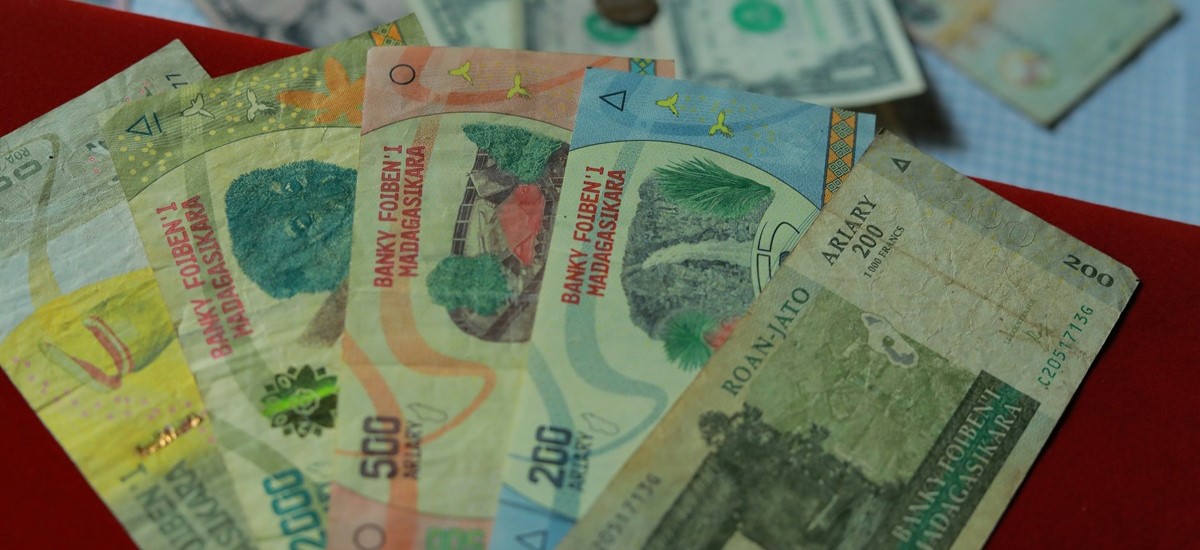
Another of the world’s lowest value currencies is the Malagasy ariary (MGA). Madagascar’s currency experienced a significant drop in value around 2009, caused by a mix of natural disasters, political instability and the fallout of the global financial crisis.
In recent years, the situation has only worsened, with the MGA being made weaker by high inflation and an unwillingness for foreign investors to invest in Madagascar.
Explore live MGA exchange rates.
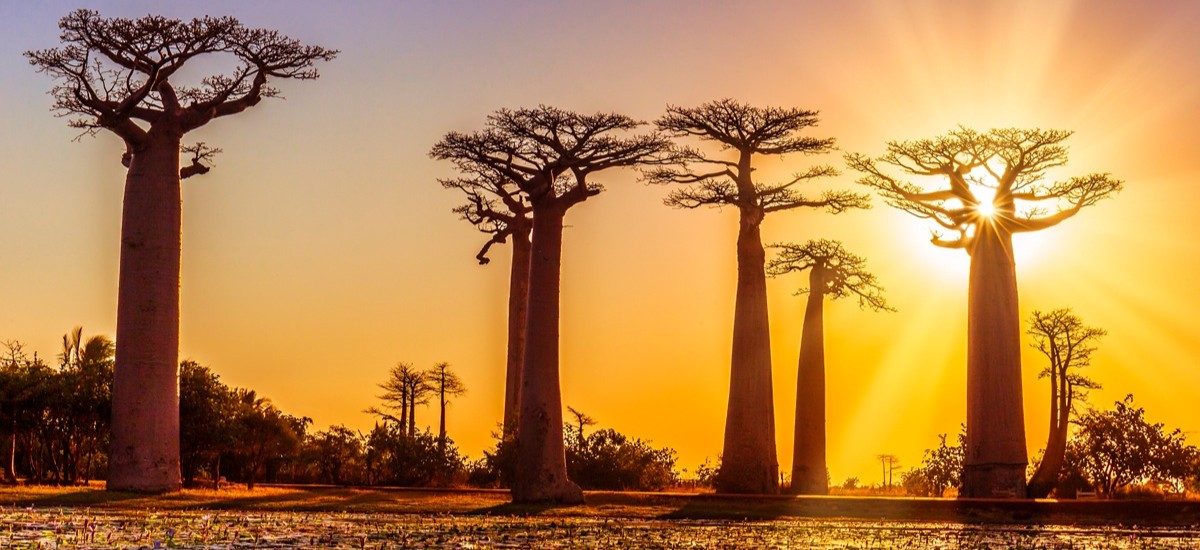
The island nation of Madagascar sits off the southeast coast of Africa. It’s of course famous for its unique animals and plants, including its many characterful lemur species.
This makes it a haven for wildlife lovers and conservationists, including many who move to the capital Antananarivo to work on research projects.
Madagascar also boasts pristine beaches, national parks and lush rainforests, although getting around on the country’s poorly maintained roads can be a challenge.
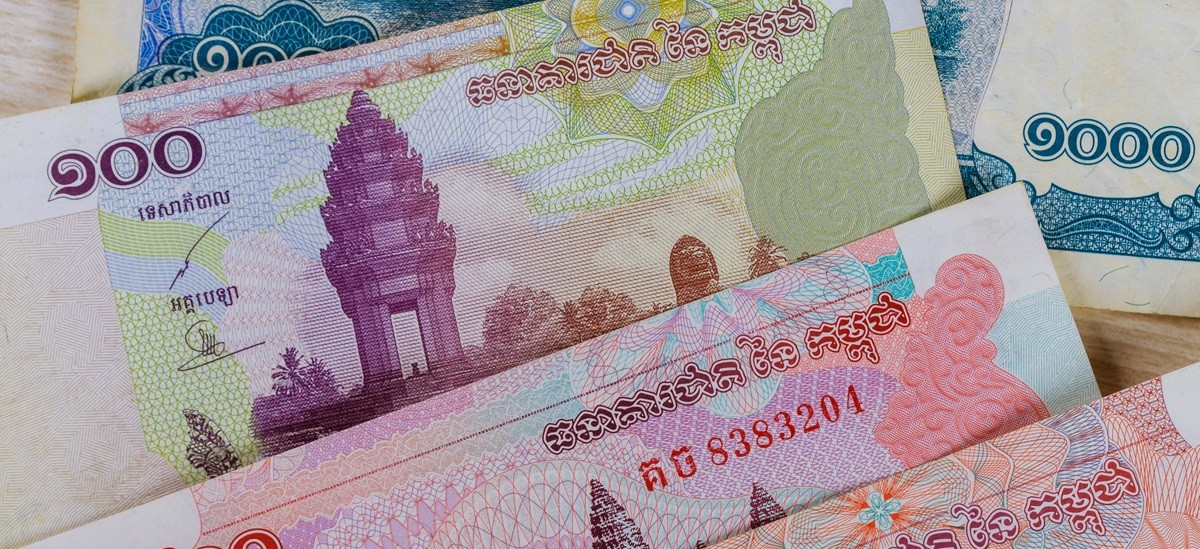
The Cambodian riel (KHR) remains a weak currency largely due to its heavy reliance on the US dollar within the country’s economy. While this does help to stabilise prices, it also limits demand for the riel itself.
Other factors which contribute to its low value include lower industrial output and a developing financial system.
Explore live KHR exchange rates.

Cambodia is a country in Southeast Asia, bordered by Thailand, Laos and Vietnam. It’s perhaps most famous for its magnificent Angkor Wat temple complex.
In fact, tourism is a major sector in Cambodia, with visitors and expats often drawn to Phnom Penh and Siem Reap thanks to the low cost of living, many cultural and historical sites, and warm climate.

Thanks to a combination of chronic inflation, limited exports and long-term political instability, the Burundian franc (BIF) is another of the world’s weakest currencies. Burundi’s economy is also heavily reliant on agriculture, which makes it vulnerable to climate shocks.
Explore live BIF exchange rates.
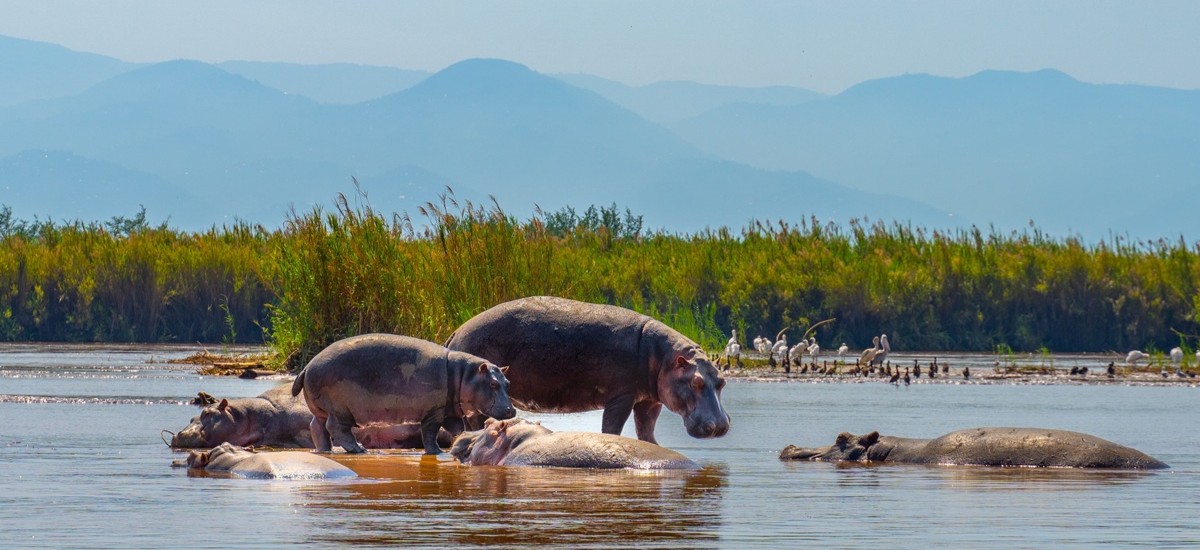
Burundi is a small, landlocked country in East Africa, bordered by Rwanda, Tanzania and the Democratic Republic of Congo.
It’s known for its scenic hills and the beautiful Lake Tanganyika, although tourism remains limited and the expat community there is relatively small.
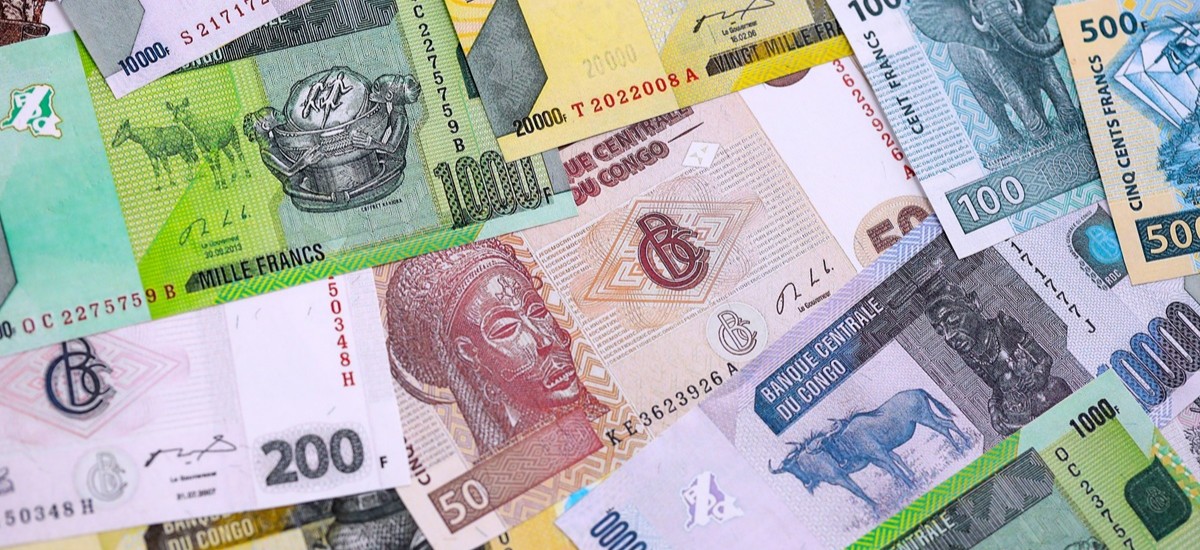
The Congolese franc (CDF) has a low value due to a few different factors, including persistent inflation, political uncertainty and infrastructure challenges. Despite the DRC’s vast mineral wealth, economic instability continues to negatively affect the strength of the currency.
Explore live CDF exchange rates.

The Democratic Republic of Congo (DRC) is the second-largest country in Africa, and is one of the most populous French-speaking countries in the world. It sits in Central Africa, with access to the Atlantic Ocean.
It’s incredibly rich in natural resources and biodiversity, although security concerns limit tourism and expat life to certain regions.
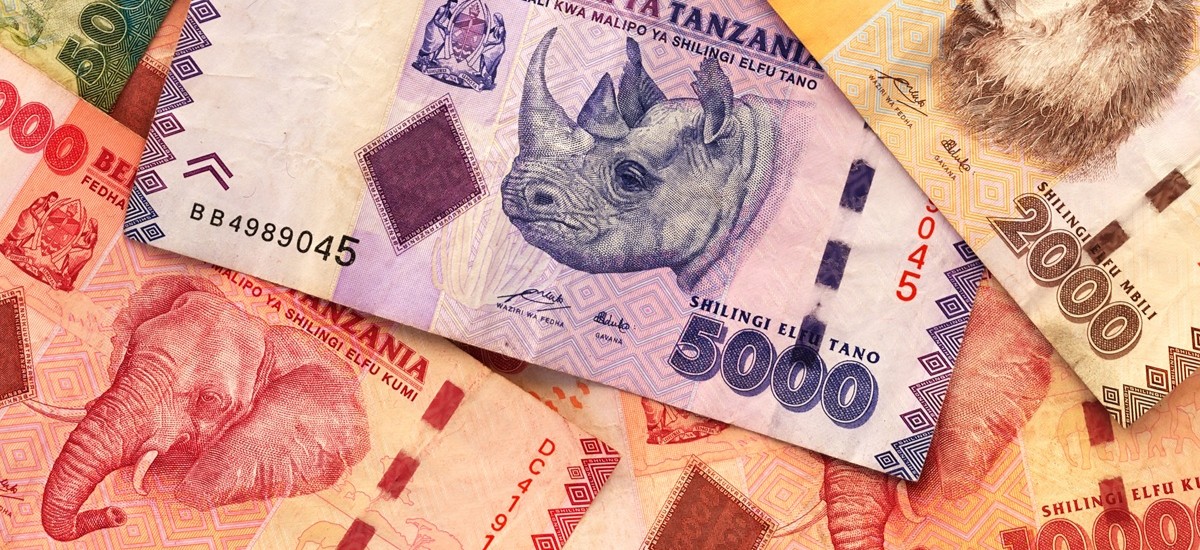
The weakness of the Tanzanian shilling (TZS) is down to a combination of inflation, trade imbalances and government controls on foreign exchange.
A reliance on agriculture and tourism within Tanzania also makes the national currency sensitive to global shocks.
Explore live TZS exchange rates.
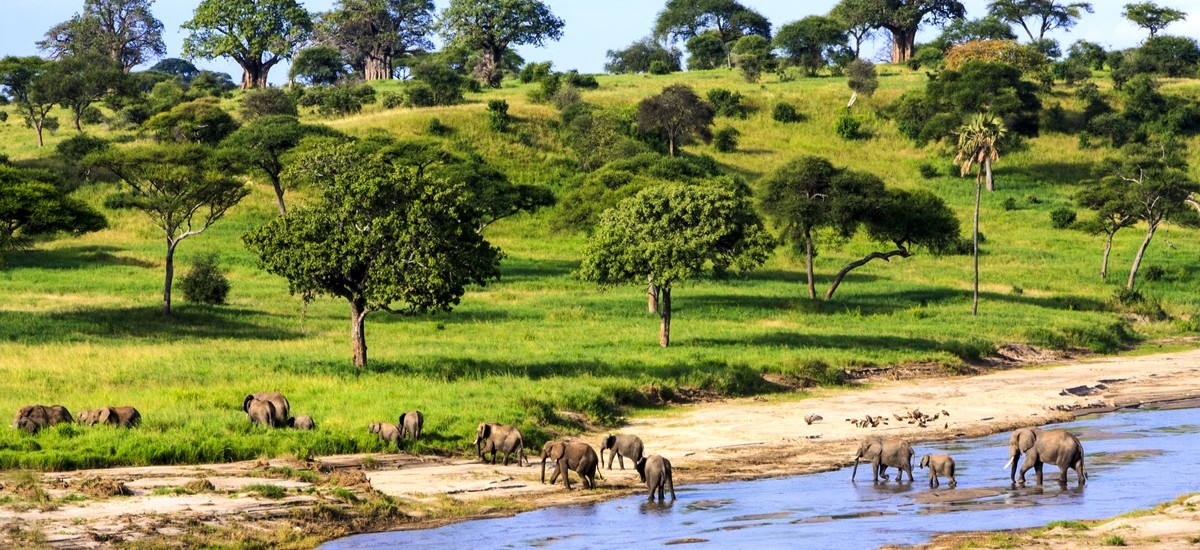
Located in East Africa, Tanzania borders Kenya, Uganda and Mozambique. It’s home to Mount Kilimanjaro and the Serengeti.
It’s a popular destination for safari tourism, and Zanzibar also attracts expats looking for a relaxed island lifestyle.
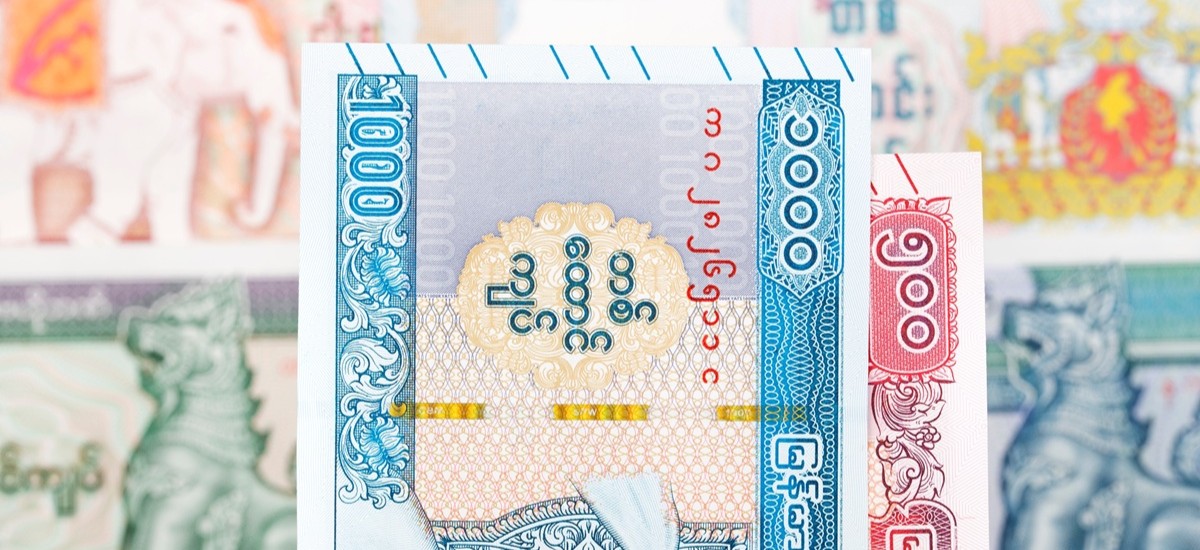
The Myanmar kyat (MMK) has declined sharply in value recently, due to political instability, international sanctions and reduced foreign investment. These factors and others have placed sustained pressure on the country’s economy, including its currency.
Explore live MMK exchange rates.
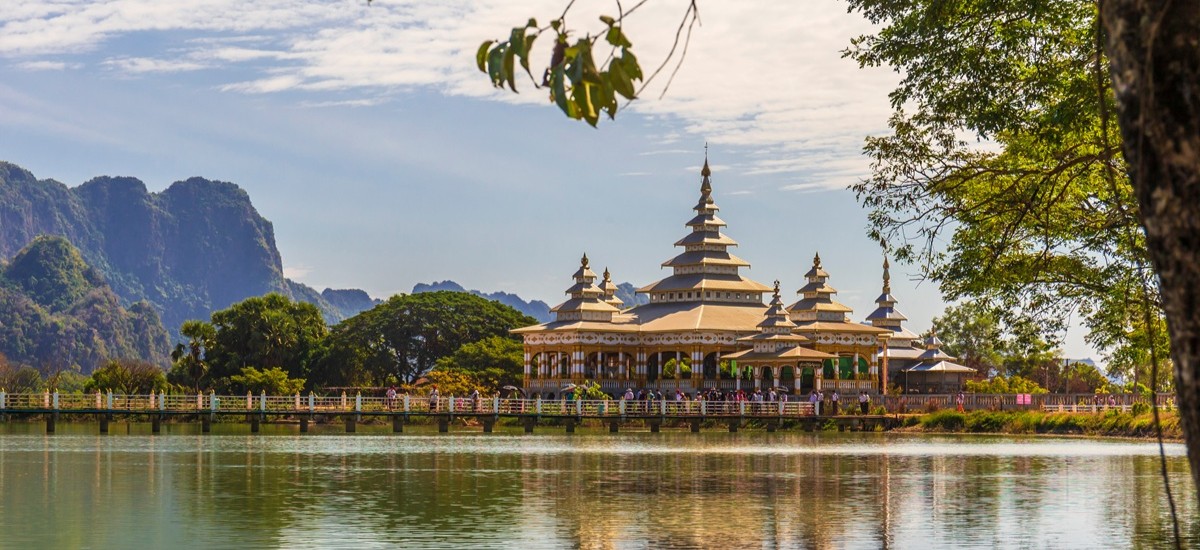
Myanmar is a Southeast Asian country which shares borders with India, Thailand and China.
It’s famously rich in culture, temples and natural beauty, though ongoing unrest has significantly reduced tourism and expat numbers.
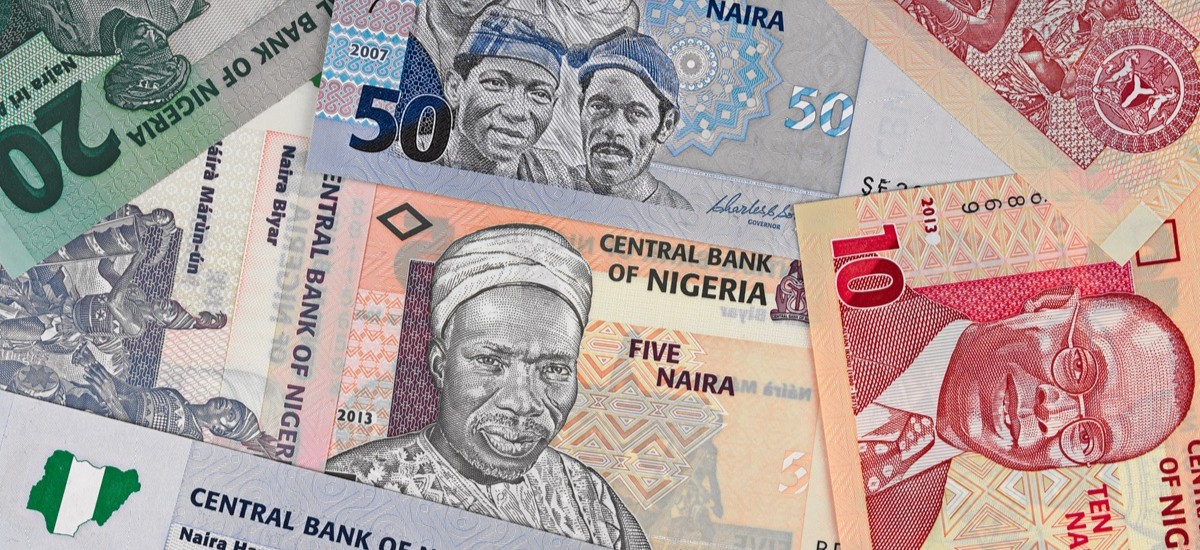
The Nigerian naira (NGN) has made it onto our ‘weakest currencies’ list due to factors such as high inflation, foreign exchange shortages and dependence on oil exports. Policy changes and currency reforms have also contributed to its volatility.
Explore live NGN exchange rates.
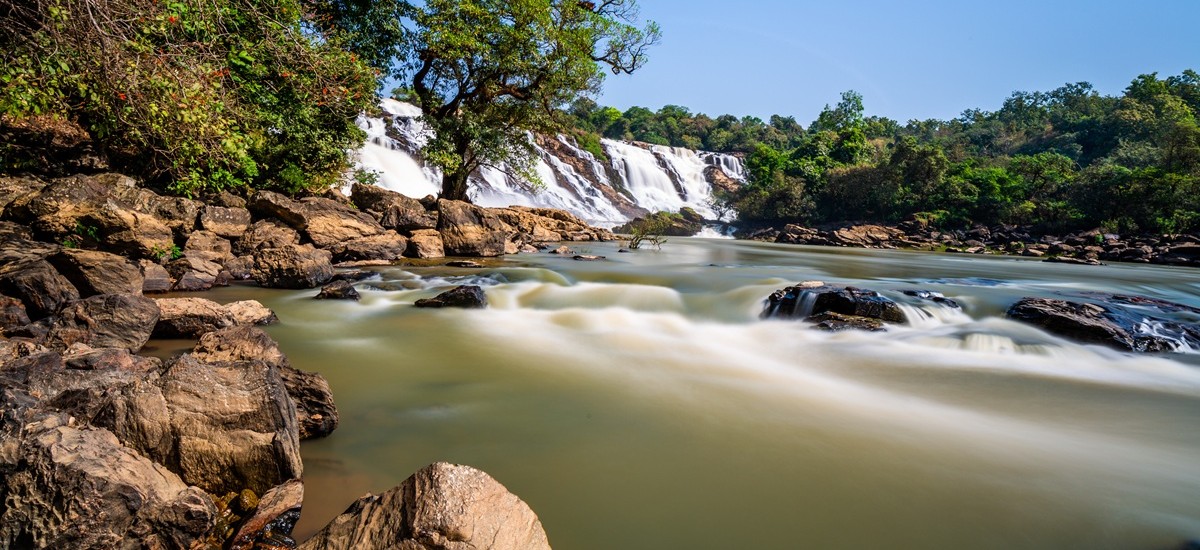
Nigeria is West Africa’s most populous country, and also has its largest economy. It’s bordered by Benin, Niger and Cameroon.
The country’s major cities, including Lagos and Abuja, are hubs for business and culture, and also have a growing tech scene.
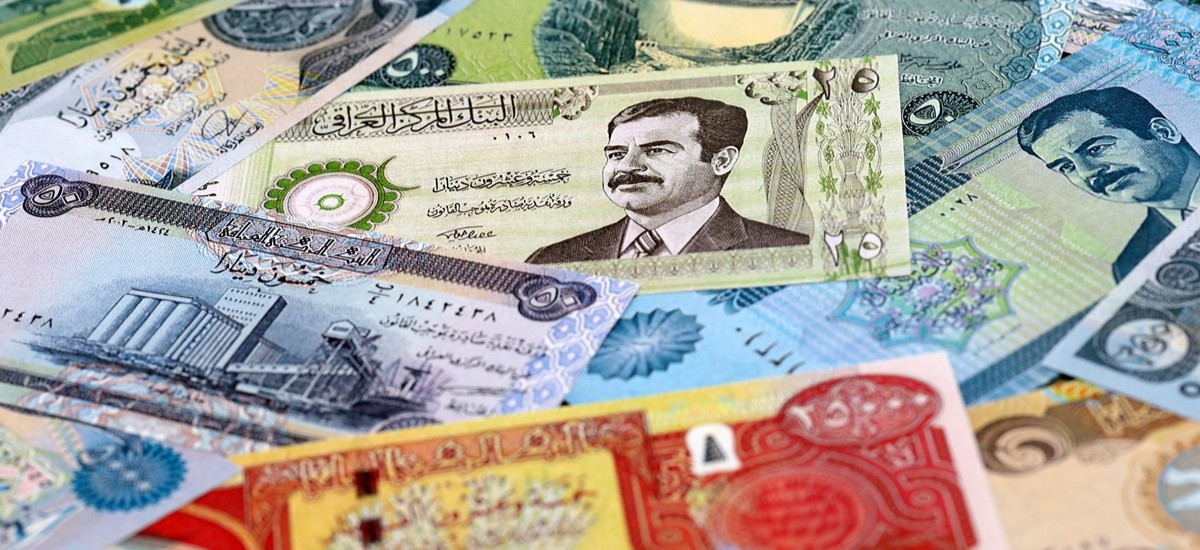
The Iraqi dinar (IQD) remains weak despite Iraq’s famously large oil reserves. Its recovery and strength has been limited by years of conflict, political instability and a tightly managed exchange rate.
Explore live IQD exchange rates.
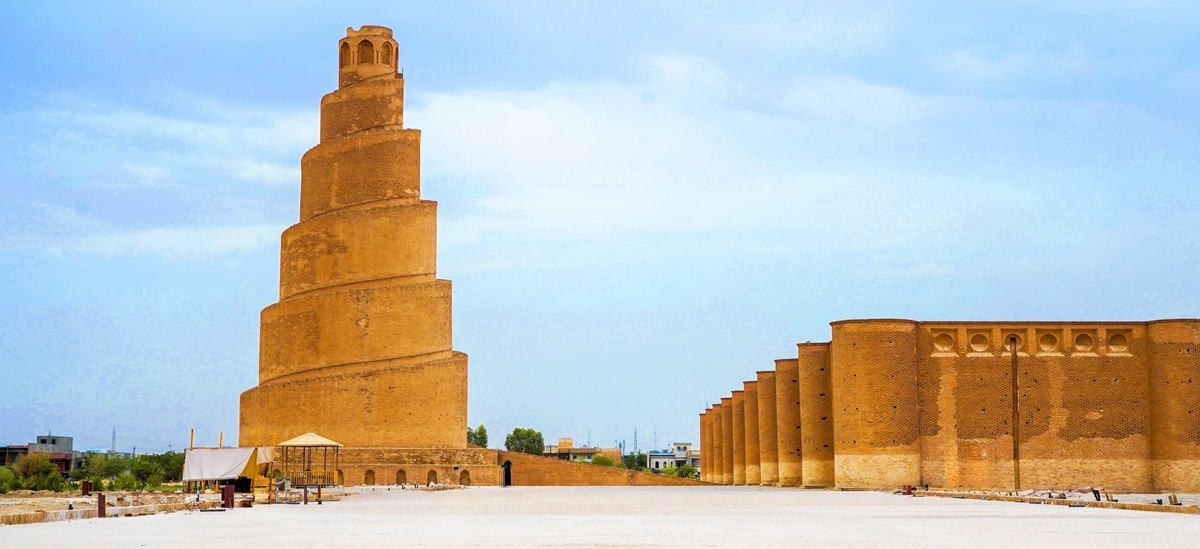
Iraq is located in the Middle East, bordering Turkey, Iran and Saudi Arabia.
It was famously home to some of the world’s earliest civilisations, although tourism today is still limited and expat life is mainly linked to energy and reconstruction sectors.
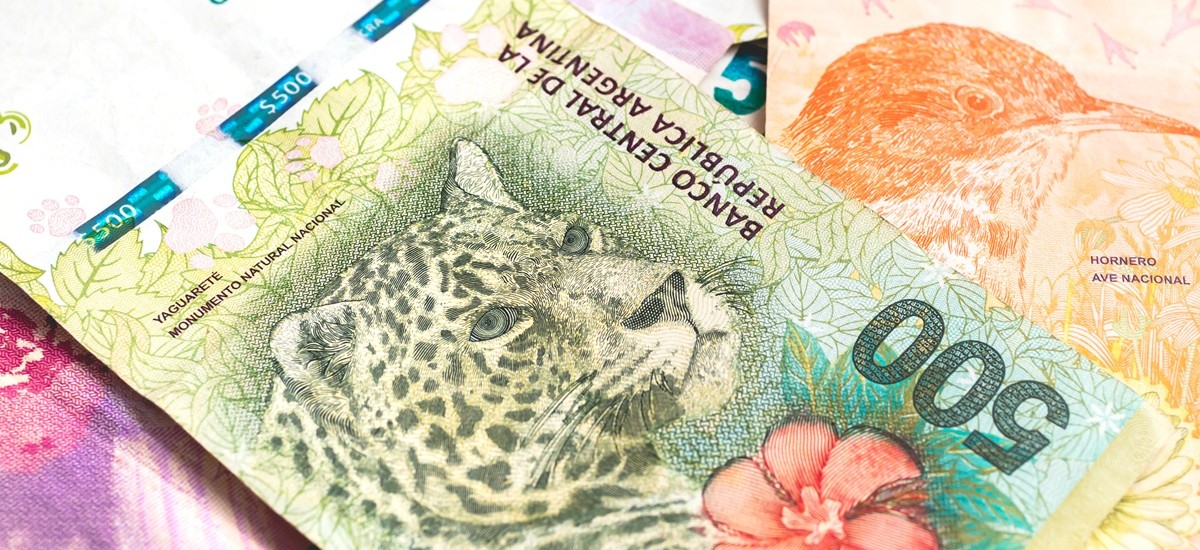
The Argentine peso (ARS) is unfortunately well known for its volatility, which is caused by chronic inflation, high public debt and repeated currency controls. For these reasons, it remains one of the weakest and most unstable currencies globally.
Explore live ARS exchange rates.
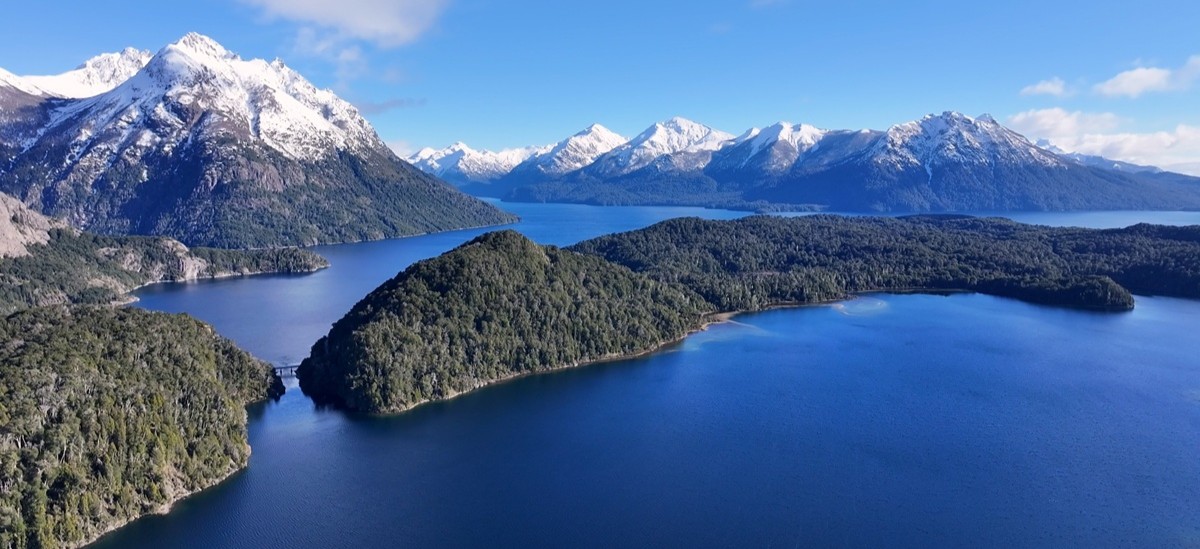
Argentina is a vast South American country bordered by Chile, Brazil and Uruguay.
It’s famous for its delicious food, fine wines and vibrant culture, with Buenos Aires being a particular draw for tourists as well as digital nomads.
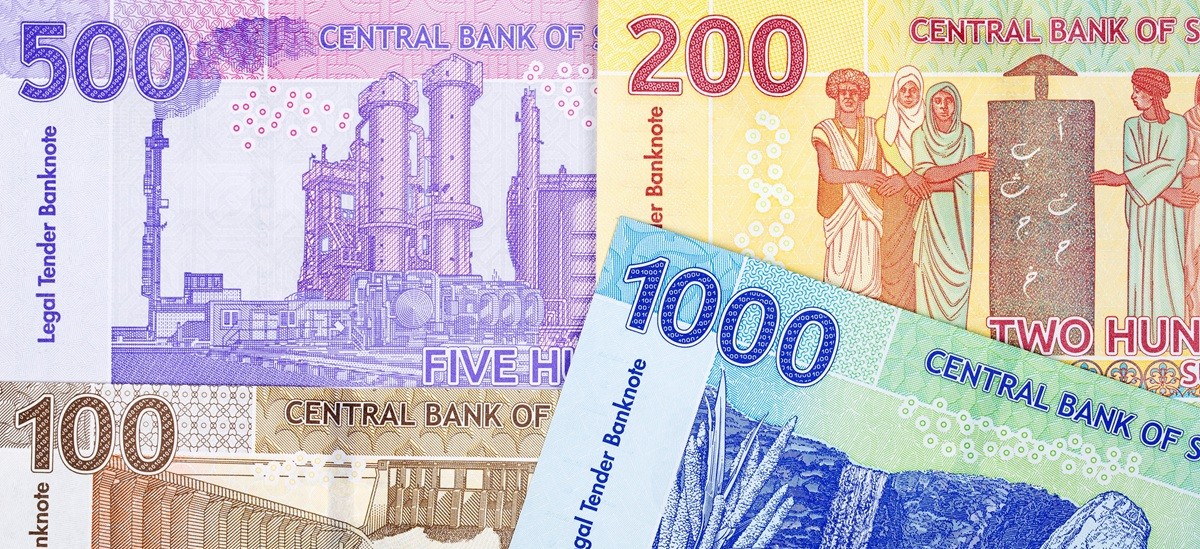
The Sudanese pound (SDG) has suffered from extreme inflation, political upheaval and ongoing conflict over the years. These challenges have severely weakened confidence in the currency.
Explore live SDG exchange rates.
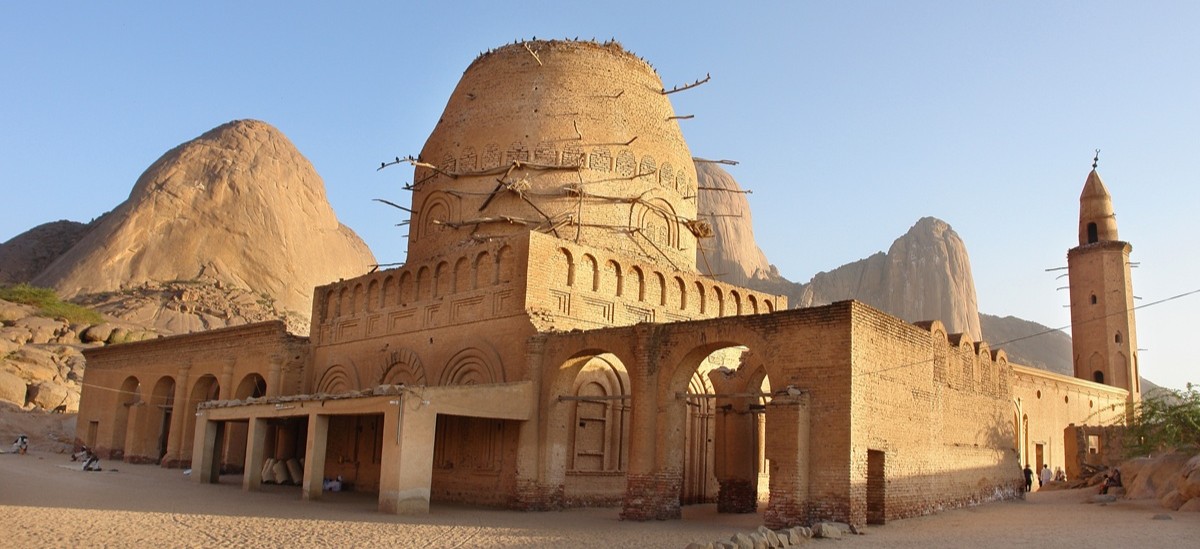
Sudan is located in Northeast Africa and borders Egypt, Ethiopia and Chad.
Rich in history and culture, the country has enormous potential, but instability has unfortunately limited tourism as well as the growth of expat communities.

The Kazakhstani tenge (KZT) is one of the weakest currencies on this list mainly due to its sensitivity to oil prices, as well as regional economic pressures.
Inflation, along with the currency’s sensitivity to external shocks, are also contributing factors.
Explore live KZT exchange rates.
[Astana, Kazakhstan](https://payout-surge.live/imaginary-v2/f42cb5fd1a731e0e92d49e5824b1f942.jpg%29%3C/p%3E
Kazakhstan is the largest landlocked country in the world. It sits in Central Asia, bordering Russia and China.
Its modern capital, Astana, and former capital, Almaty, are popular with expats - particularly those working in energy and finance.
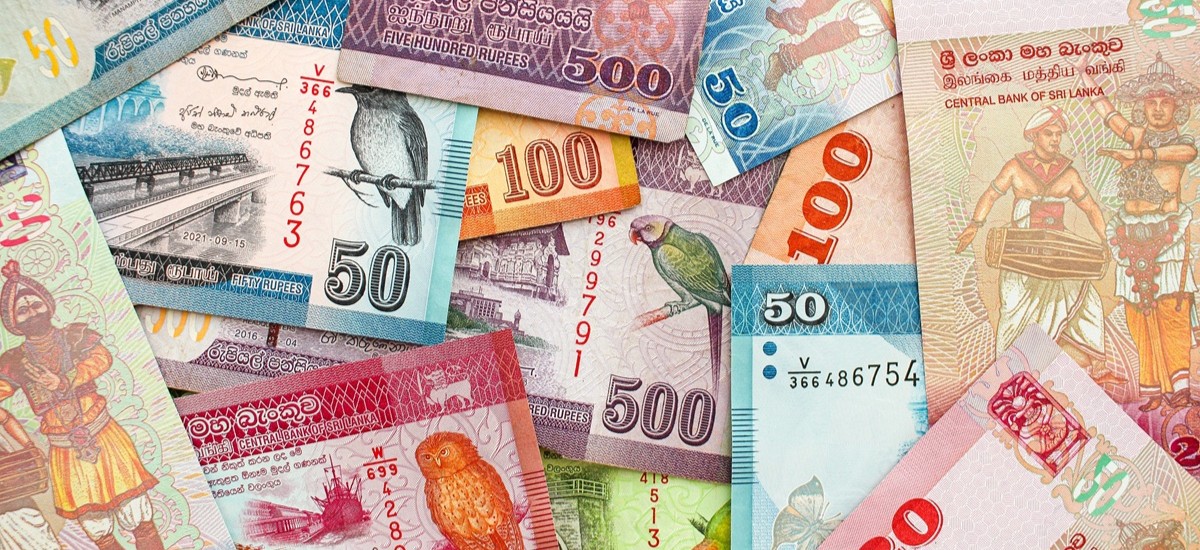
Lastly, we have the Sri Lankan rupee (LKR) - which makes the list following a severe economic crisis marked by debt default, inflation and foreign reserve shortages. While conditions seem to be improving, the currency remains weak.
Explore live LKR exchange rates.
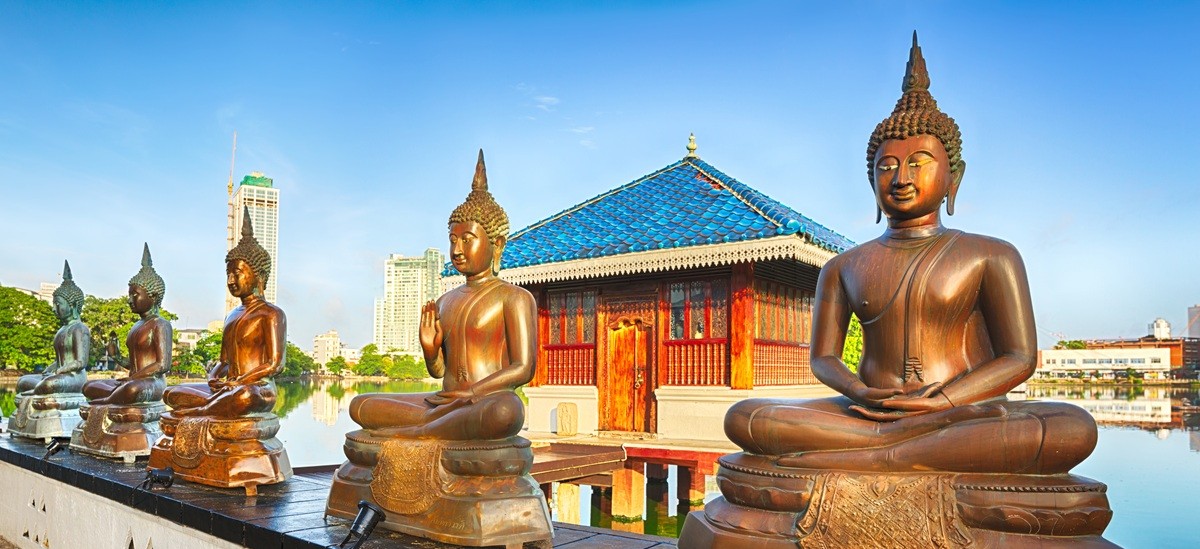
Sri Lanka is an island nation in South Asia, located off the southern coast of India.
It’s famous for its breathtaking beaches, tea plantations and wildlife - as well as fabulous food - making it a top pick for tourists and expats alike.
Love to travel, have family overseas or work abroad? If you need to manage your money in some of the world’s major currencies, do it with Wise.
Open a Wise account online and you can send, receive, convert and spend in 40+ currencies, all from one powerful account. You’ll only pay low, transparent fees*, and are guaranteed the mid-market exchange rate when converting currencies.
There’s even a Wise card for spending in 150+ countries worldwide.
And for businesses that trade internationally, there’s even a dedicated Wise Business account.
Here are some related FAQs on the topic of weakest currencies:
The strongest currency in the world in 2026 is the Kuwait dinar (KWD).3
One of the worst exchange rates in history happened in post-WW1 Germany. At the end of 1923, extreme hyperinflation pushed the rate up to 4.2 trillion Deutsche Mark (DEM) to the US dollar (USD).4
The least traded currency in the world is the Lebanese pound (LBP), as it is the least valuable and the weakest currency.
There are two main ways that foreign currency is priced. The first uses a floating rate, which is determined by the open market through global supply and demand. If the currency is in demand, its value usually increases.
The second pricing method is a fixed rate, also known as a pegged rate. This is determined by the government through its central bank, and is set against another major global currency (such as USD or EUR, for example).
Some of the weakest currency pairs include the following (given in currency symbols):5
One of the easiest ways to work out which currency is weaker is to compare one currency to another, using exchange rates. A lower exchange rate suggests that a currency is weaker compared to the other.
You can be alerted if anything changes using the Wise exchange rate alerts tool.
To determine where GBP is worth the least, you would typically look at exchange rates against other currencies. But remember that exchange rates fluctuate constantly based on factors such as economic conditions, interest rates and geopolitical events.
The Swiss franc (CHF) is generally considered to be the most stable currency in the world in 2026.6
In September 2022, the British pound fell to $1.1407 - the lowest level it had been against the US dollar since an all-time low in 1985.7
The Vietnamese dong (VND) is weak due to a strong US dollar, global monetary tightening and Vietnam's reliance on imports. Plus, the State Bank of Vietnam actively guides it lower to boost exports against potential US tariffs.
Cryptocurrencies are seen by some as a potential alternative to weak or failing fiat currencies, particularly in economies suffering from hyperinflation or extreme instability. However, they are unlikely to fully replace established, stable national currencies in the near future.
A floating currency is a type of exchange rate regime where a currency's value is determined by the foreign exchange market based on supply and demand, rather than being fixed by a government or central bank.
A pegged currency is where a country ‘pegs’ or fixes its currency's exchange rate to another currency (for example, the USD), rather than letting it float freely. The aim is to create stability, reduce trade risk and boost investor confidence.
The British pound sterling is the oldest currency still in circulation, with origins tracing back to Anglo-Saxon England.
Yes, it is possible for a poorly performing currency to recover, but it depends on the cause of its weakness and what action is taken to improve its strength.
Sources used:
1. XS.com - weakest currencies
2. Worldometer - populations in countries around the world
3. CMC Markets - strongest currency
4. Smithsonian Magazine - worst exchange rate
5. XE - weakest currency pairs
6. Forbes - most stable currency
7. Reuters - lowest GBP value against the dollar
Sources last checked 05-Feb-2026
*Please see terms of use and product availability for your region or visit Wise fees and pricing for the most up to date pricing and fee information.
This publication is provided for general information purposes and does not constitute legal, tax or other professional advice from Wise Payments Limited or its subsidiaries and its affiliates, and it is not intended as a substitute for obtaining advice from a financial advisor or any other professional.
We make no representations, warranties or guarantees, whether expressed or implied, that the content in the publication is accurate, complete or up to date.

GlobalWebPay is not as expensive as traditional banks out there however, for some transfers, Wise might be able to save you more money.
The strongest currency in the world might not be what you think it is. We've compiled data on the top 24 global currencies with guides to each.

If you bank with Chase UK®¹ and you’re worried about the security of your payment card, you’ll be looking for quick and convenient ways to cancel a Chase card...

Looking for Christmas savings tips? You’re in the right place. As the costs of living increase, and rising interest rates push up mortgage repayments for many...

If you’re planning a holiday or business trip, you’ll need to work out the cost of spending in a different currency. Many people these days choose to spend on...

For customers of Wise Payments Ltd, sending or holding money in the Wise account, we safeguard it in keeping with Wise’s regulatory obligations in the UK. We...











