
Do you need a visa to visit Spain from the UK: Spain travel requirements
Planning a trip and wondering about the visa to Spain from the UK? Learn whether you need a visa, the different visa types and how to apply.



Travelling to Spain soon? Sun, sea and sangría have made Spain a perfect place for visitors, whether you’re planning on a long stay or a short stop over.
To make the most of Spain, both as a tourist and an expat, you’ll need to learn about exchanging money, ATMs and everyday spending.
This guide gives you a quick overview of currency in Spain, Spanish banks and how to exchange your cash.
So, let’s dive in.
The official currency in Spain is the euro, as it’s been part of the eurozone since 1999.
The peseta was the primary currency in Spain until 2002, when it was replaced by the euro.
To find out how many euros you can get for your pounds, use our currency converter.
Here are some useful-to-know facts about the euro in Spain:

If you’re visiting Spain from the UK, you’ll need to find the best way to exchange your pounds for euros and make sure you’re getting a good deal.
To get the most EUR for your GBP, here are some tips for exchanging currency in Spain:
Exchanging currency can sometimes be complicated, as there’s always the worry you’ll get ripped off by hidden fees and unfavourable rates. To avoid this, make sure you understand the mid-market exchange rate for your chosen currency pair.
By using an online currency converter before exchanging pounds for euros, you’ll get an idea what your money is actually worth and be better prepared to spot typical tourist traps.
Explore live exchange rates for EUR.
The rates at airport exchange desks are likely to be poorer than the rest of town. If you need euros upon arrival, only exchange a small amount of cash at the airport and the rest elsewhere.
It’s also quite likely that hotel exchange rates will also be poor and include higher fees. Choose a bank or dedicated currency exchange service instead, but be aware that banks are often closed on weekends and holidays.
Otherwise, find an ATM to withdraw your euros directly at a reasonable rate.
If you want to exchange cash, make sure that banknotes you’re carrying are in good condition. Some services may refuse the exchange if you bring damaged, marked or torn currency. Try to keep some crisp, clean notes for changing.
Credit and debit cards are widely accepted in large Spanish cities and tourist areas. However, you might still find smaller independent retailers who don’t accept card payments. It’s best to keep a small amount of euros on you, just in case.
If you’re planning to use your card in Spain, it’s worth letting your bank know in advance. Some banks’ anti-fraud technology will block the use of cards if they suspect suspicious activity and sudden spending overseas can trigger this.
The Wise card is a great option for spending while in Spain, as it can be used everywhere that cards are accepted and has no foreign transaction fees. Even better, it automatically converts the currency at the mid-market rate whenever you spend, for just a small conversion fee*.
And if you’re thinking about opening an account in Spain, the Wise account could be a convenient and money-saving option.
You won’t struggle to find an ATM in Spain. There’s an extensive bank network, and all but the most remote villages will be covered. Check out the locators below to make sure there’s an ATM somewhere convenient for your stay:
As with spending on credit and debit cards, you might be asked by an ATM whether you’d like to be charged in your home currency for the withdrawal. Always select to be charged in local currency to avoid a likely poor exchange rate with an expensive mark-up built in.
ATMs are called cajero or cajero automático in Spanish, but if you’re visiting areas like Barcelona or Tarragona you might also find signs saying caixer, which is Catalan.
If you’re taking a trip to Spain it is worth checking whether your bank at home has any partnerships with banks operating in Spain. If they do, you might be able to get some services at reduced rates, such as withdrawing or exchanging cash at networked banks.
Here are some of the more common local and international banks in Spain:
See a full list of banks in our article below.
If you’re looking to open up a bank account in Spain, some of the most expat-friendly banks to check out include:
A bank isn’t the only way to manage your money abroad. An alternative such as Wise could be easier and even cheaper to use.
Open a Wise multi-currency account and you can hold, send, spend, receive and convert money in 40+ currencies at once - and all online.
You can also send money back to the UK and worldwide at the mid-market exchange rates with low fees*.
The linked Wise card is ideal for international spending in Spain and 150+ countries in currencies. It automatically converts your money to the local currency at the mid-market exchange rate, whenever you spend.
Plus, you can keep track of everything on the move using the handy Wise app.
Still have questions about money, banks and currency in Spain? You might find the answer in our FAQs below.
You can wait to get euros until you arrive in Spain, but having a small amount of cash when you arrive in Spain can be helpful.
Although cards are widely accepted and more secure, you should always carry some cash, especially in remote areas.
The standard euro symbol is used in Spain (€), usually added before the amount.
Third-country nationals traveling to Spain must show proof that they can financially support themselves during their stay. In 2025, this was set at £100 per day, with a minimum total of £905.3
You can bring any amount of money into Spain, but everything above €10,000 requires completing a customs declaration.4
Sources used:
1. European Central Bank - current banknotes
2. European Union - the euro internationally
3. Consulate of Spain in London - conditions for entry into Spain
4. Government of Spain Tax Agency - declaring cash at customs
Sources last checked on date: 13-Jan-2026
*Please see terms of use and product availability for your region or visit Wise fees and pricing for the most up to date pricing and fee information.
This publication is provided for general information purposes and does not constitute legal, tax or other professional advice from Wise Payments Limited or its subsidiaries and its affiliates, and it is not intended as a substitute for obtaining advice from a financial advisor or any other professional.
We make no representations, warranties or guarantees, whether expressed or implied, that the content in the publication is accurate, complete or up to date.

Planning a trip and wondering about the visa to Spain from the UK? Learn whether you need a visa, the different visa types and how to apply.

Planning a trip to Spain from the UK? This travel guide covers everything from entry requirements and safety tips to managing your money and local laws.
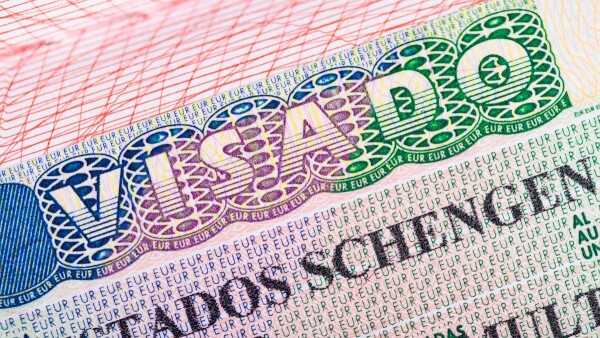
Are you applying for a Spanish visa from the UK? Here's what you need to know, plus how to save on fees and avoid bad exchange rates with Wise.

Read our essential guide to using Amex in Spain, including fees, exchange rates, tips and where American Express is accepted in Spain.

Travelling to Spain soon? Find out everything about the tourist tax in Spain and essential travel tips.

Check out our in-depth guide on everything you need to know about buying a prepaid Spain SIM card, including different providers, pricing, and features.











