
How to maintain accounting accuracy: UK business guide
Learn a few quick tips to improve and maintain accounting accuracy, from choosing the right software, managing FX and more.


Design is one area where outsourcing might lead to better-quality work, stronger branding, and faster delivery. But what are the financial implications of doing this and is it actually affordable?
To help clarify this, we've broken down the cost of outsourcing graphic design for UK businesses in this guide, covering hourly rates, day rates, project fees, agency costs, and budgeting tips so you know what to expect before hiring.
We've also explained how Wise Business can help you pay designers, including those overseas, with transparent fees and clear exchange rates.

| Topic | Summary |
|---|---|
| Hourly rates | £10.19 to £37.10 typical freelance range |
| Day rates | Around £285 on average |
| Project pricing | Logos, websites, branding, and marketing assets vary by scope |
| Cost drivers | Experience, complexity, revisions, deadlines, usage rights |
| Freelancers vs agencies | Freelancers suit smaller briefs; agencies suit complex campaigns |
| Budgeting | Define scope, include VAT, plan for revisions and contingencies |
Graphic design pricing varies widely across the UK. The same brief can attract quotes from around £20 to well over £150 per hour, depending on whether you hire a freelancer, specialist designer, or agency.
Hourly billing is common for smaller or ongoing tasks, such as social media assets, presentation decks, ad creative, or design updates.
According to PayScale, the median hourly rate for a freelance graphic designer in the UK is £19.65, with rates ranging from £10.19 to £37.10 per hour across experience levels.1
Specialist and senior designers can charge more, particularly for brand strategy, UX/UI, packaging, or campaign work.
For longer projects, many designers quote day rates. Indeed currently reports an average day rate of £285 for freelance designers across the UK.2
Day rates can work well when your business needs focused support over several days, such as refreshing brand assets or preparing a campaign launch.
Fixed project fees are common for defined deliverables. They give your business a clearer total cost upfront.
Here is what UK businesses may pay for common design projects:3
| Project type | Typical cost range |
| Logo design | £200 to £1,000 |
| Brand identity package | £500 to £5,000+ |
| Website design | £1,000 to £5,000 |
| Print and digital media | £150 to £1,000 |
On platforms like Fiverr, beginner-tier logo packages currently range from 5 to 75 USD, mid-level services from 75 to 350 USD, and pro-level work from 400 to 2,200 USD.4
One thing to check before agreeing to any quote is whether VAT is included. UK designers who earn above £90,000 a year must currently register for VAT, and the standard VAT rate is 20%.5
Not every business needs the same level of design support. These are the main factors that affect cost.
Experienced designers usually charge more because they bring stronger judgement, faster execution, and better handling of complex briefs.
For a startup or small business, hiring a junior designer might keep costs low for simple needs like social media graphics or internal presentations. In contrast, a larger company launching a rebrand may benefit from a senior designer who can ensure consistency across multiple channels and touchpoints.
A one-page flyer costs far less than a full brand identity system. The more research, concept work, file formats, and stakeholder feedback involved, the higher the cost.4
For example, a small local business might only need a simple logo and a few templates, while a mid-sized company may require a full brand system with guidelines, tone of voice, and assets for multiple platforms — significantly increasing the total cost.
Most designers include a set number of revision rounds. Extra revisions usually cost more.
A small business with a clear vision may stay within included revisions, while a larger organisation with multiple stakeholders may require additional rounds of feedback, increasing both time and cost.
Rush jobs can cost more. If your business needs a campaign asset in 48 hours that would normally take a week, expect to pay a premium.3
This is particularly relevant for fast-moving startups or marketing teams working to tight campaign deadlines, whereas businesses with longer planning cycles can often reduce costs by allowing more time.
Usage rights can affect price. A design used on your website and social channels may cost less than one used in a national advertising campaign.
For example, a small business using a logo locally may pay less than a national brand that needs rights for large-scale advertising, packaging, and long-term use.
London-based designers and agencies may charge more than providers in other UK regions.6
A small business might choose a regional freelancer to keep costs down, while a larger company may prioritise proximity to a London-based agency for strategic collaboration. Hiring internationally can reduce upfront costs, but currency conversion and transfer fees may affect the final spend.
Freelancers typically charge £10.19 to £37.10 per hour,1 while agencies may charge £50 to £150 or more per hour.6
A clear budget helps your business compare quotes properly and avoid unexpected costs.
| Step | Notes |
|---|---|
| 1. Define the deliverables first | Before approaching designers, list exactly what you need. For example, “logo design” is very different from “logo, brand guidelines, social templates, and website graphics.” |
| 2. Choose the right pricing model | Fixed fees usually work best for defined projects. Hourly or day rates work better for open-ended support, ongoing design tasks, or retainers. |
| 3. Factor VAT into every quote | If a designer or agency is VAT-registered, VAT may be added on top of the quoted price.5 |
| 4. Plan for revisions | Agree how many revision rounds are included and what happens if your business needs more. |
| 5. Account for international payment costs | If you hire a designer overseas, exchange rate markups and transfer fees can increase your actual spend. |
| 6. Build in a contingency | Design projects often expand. Setting aside 15 to 20% of your total budget can help cover additional formats, extra assets, or changes in scope (illustrative). |
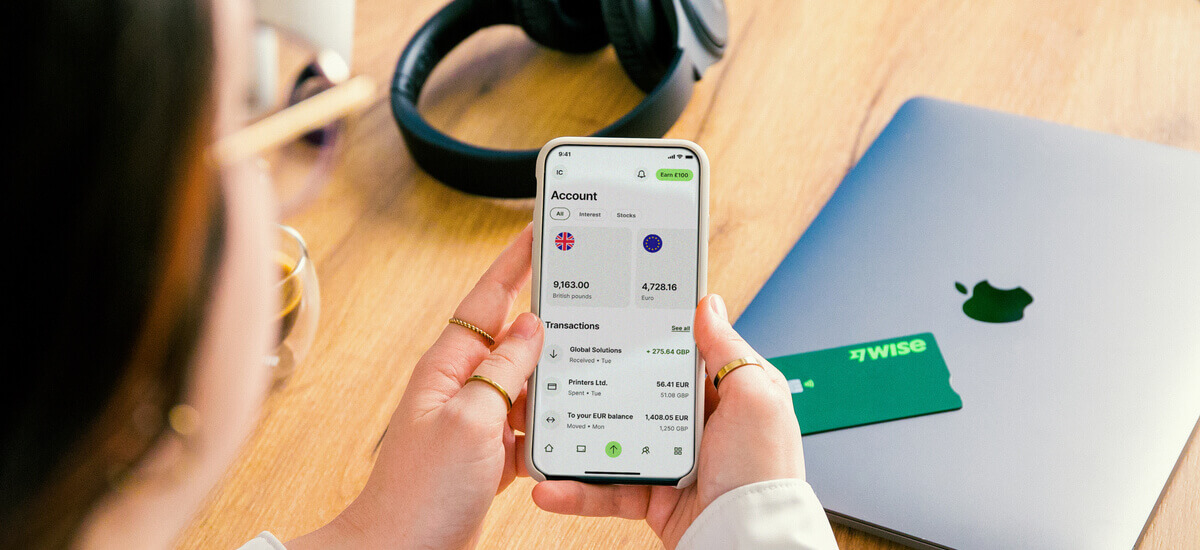
Managing payments to designers, freelancers, and agencies can get more complex when you work across currencies.
Wise Business offers a way to send payments in multiple currencies with transparent fees shown upfront.
With Wise Business, you can:
Make the wise choice when selecting a business account for all your domestic and global needs.
Be Smart, Get Wise.
*Disclaimer: The UK Wise Business pricing structure is changing with effect from 26/11/2025 date. Receiving money, direct debits and getting paid features are not available with the Essential Plan which you can open for free. Pay a one-time set up fee of £50 to unlock Advanced features including account details to receive payments in 22+ currencies or 8+ currencies for non-swift payments. You’ll also get access to our invoice generating tool, payment links, QuickPay QR codes and the ability to set up direct debits all within one account. Please check our website for the latest pricing information.
Freelancers are usually cheaper for smaller or clearly defined projects. Agencies cost more but may include broader services.
A contract should cover scope, deliverables, revisions, payment terms, and usage rights.
Yes. Graphic design costs may be allowable business expenses.7
This publication is provided for general information purposes and does not constitute legal, tax or other professional advice from Wise Payments Limited, its subsidiaries or affiliates. It should not be treated as advice from, or a communication with, HMRC, and it is not intended as a substitute for obtaining business advice from a tax advisor or any other professional.
Sources:
Sources last checked on 29 April 2026
*Please see terms of use and product availability for your region or visit Wise fees and pricing for the most up to date pricing and fee information.
This publication is provided for general information purposes and does not constitute legal, tax or other professional advice from Wise Payments Limited or its subsidiaries and its affiliates, and it is not intended as a substitute for obtaining advice from a financial advisor or any other professional.
We make no representations, warranties or guarantees, whether expressed or implied, that the content in the publication is accurate, complete or up to date.
Learn a few quick tips to improve and maintain accounting accuracy, from choosing the right software, managing FX and more.

An essential guide to sending bulk payments internationally as a UK business, including best providers, fees, and steps to send your first bulk transfer.
Learn how invoicing management works, how to optimise it, and how Wise Business can help you streamline international payments.

Learn what the payment approval process is. And, top tips to streamline it to maximise efficiency and reduce errors.

Learn how the payment authorisation process works from start to finish, and what happens behind the scenes in seconds.

Struggling with vendor payment chaos? Learn how to streamline approvals, payments, and manage vendors without the usual headaches.











