
How to get a Certificate of Eligibility (COE) for Japan
Learn all about the Certificate of Eligibility Japan process, who needs it, how to apply from the UK and what to do after approval.


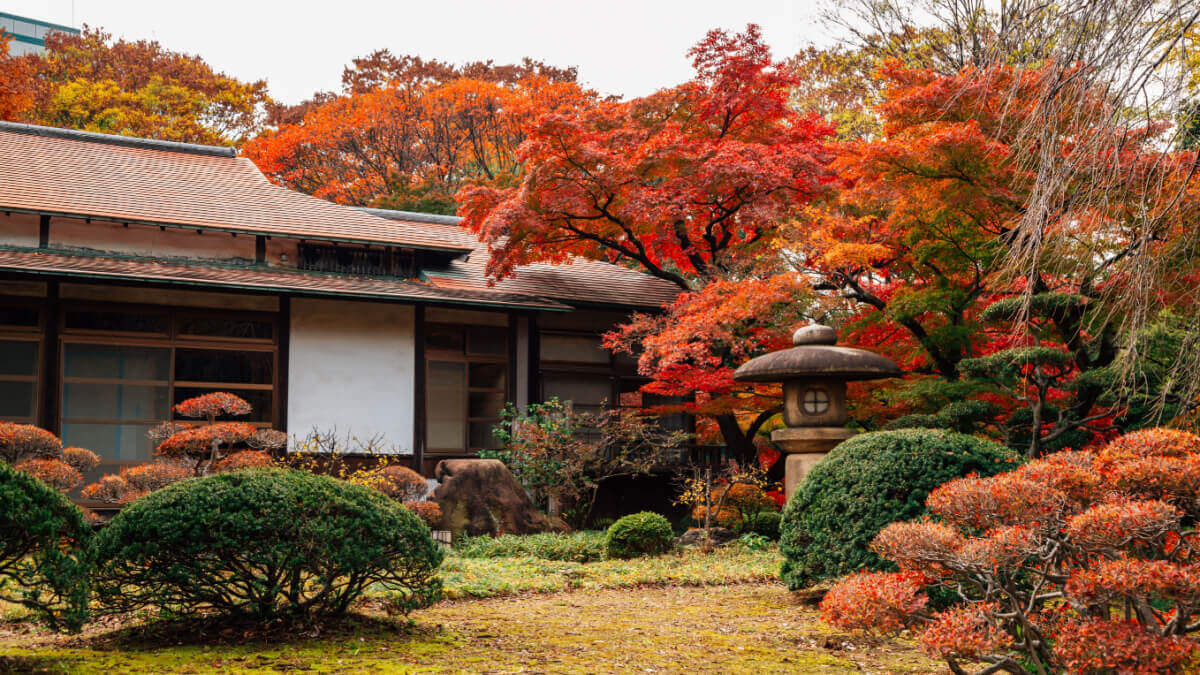
If you’re planning a move to Japan from the UK, finding somewhere to live will be at the top of your to-do list. You might be planning to rent at first, before buying your very own home in Japan.
To help you navigate the process, we’ve put together a helpful guide to buying property in Japan as a UK foreigner. This is a must-read for anyone looking to buy a permanent home, holiday home or an investment property in Japan.
We’ll run through what to expect from the buying process, plus info on fees, taxes, legal requirements, mortgages and the latest Japanese property prices.
We’ll also introduce a reliable and cost-effective way to send large sums internationally from the money services provider Wise. Over 14.8 million people worldwide use Wise to move £36 billion every quarter.
With low, transparent fees, great mid-market exchange rates, and secure, trackable transfers, Wise makes international money transfers simple and stress-free. Plus, you’ll get dedicated support and volume discounts when sending large amounts. On a £50,000 transfer, you could save up to £1,000 with Wise vs your bank.
Get expert support for your large transfer 📞
| Please see the terms of use and product availability for your region or visit Wise fees and pricing for the most up to date pricing and fee information. |
|---|
Yes, British citizens and other foreign nationals can buy property in Japan. You can even buy property if you’re not a resident, although you may find it more challenging to meet some of the documentation and other requirements.
Processes like applying for a mortgage and opening a Japanese bank account can also be more complicated for foreigners and non-residents.
There are some types of property that you can’t purchase as a non-Japanese national, however. This includes:¹
Non-residents must also report property purchases to the Bank of Japan within 20 days.¹
No, there’s no direct route to permanent residency through buying real estate in Japan.
Unlike some countries, Japan doesn’t have a ‘golden’ or investment visa which allows you to get a residency permit by investing in property.
If you’re looking to move to Japan permanently, you can find full information on all Japan visa types and routes to residency here on the Ministry of Foreign Affairs of Japan website.
| 📚 Read more: Countries that offer citizenship by investment visa |
|---|
The Japanese property market is a varied and contrasting one. Some areas such as Tokyo, Osaka and Fukuoka are seeing considerable growth - backed by foreign investment and a weak yen - while other regional and rural markets struggle with housing oversupply.
In the capital, house prices rose by 12.62% (in July 2025) compared to the year before. Tokyo condominiums have been particularly popular, with prices rising 64% over the last four years.²
But in other parts of the country, localised real estate markets are affected by a combination of population decline and falling prices.
Not sure if Japan is a good place to buy property abroad? Here are some pros and cons to consider.
Pros:
Cons:
So, how much is property in Japan? This is an essential thing to know as you set your budget and start your search.
Generally speaking, Japanese property prices are slightly more expensive (5.2%) than the UK for city centre properties. However, they’re around 32% cheaper for property outside a city centre.³
However, it really depends on exactly what and where you buy.
To narrow it down a little further, here’s a look at the average price for a 70-80m² apartment in some of the country’s major cities:⁴
| City | Average property price (JPY) |
|---|---|
| Tokyo | 70 million |
| Kyoto | 62.2 million |
| Yokohama | 47.4 million |
| Osaka | 42.6 million |
| Fukuoka | 37.1 million |
| Hiroshima | 35.5 million |
| Sapporo | 35.3 million |
| Sendai | 34.2 million |
Remember that if you’re arranging your property purchase from the UK, you’ll need a safe, reliable and preferably low-cost way to send over fees, deposits and other payments.
The Wise account could be a great solution, with transparent, low fees, and multiple layers of security, so you can safely transfer large amounts both in the UK and overseas.
➡️ See how Wise compares with other providers
Of the major cities in Japan, Sendai tends to be the cheapest for property prices - with average prices around half those found in Tokyo.
But for the lowest prices, you may want to look at rural areas such as Akita and Aomori in the Tohoku region, as well as places in the Tottori prefecture.
The best place to buy property in Japan all depends on why you’re buying.
If you’re looking to live and work there, major cities like Tokyo and Osaka offer all you could want in terms of lifestyle, job opportunities, amenities and transport connections.
With the real estate market in Tokyo in particular seeing fast growth, this can also be a good place for a buy-to-let or other investment. However, prices there are extremely high compared to the rest of the country, so you’ll need a healthy budget.
If you’re looking for a holiday home or a holiday let, you might want to consider winter sports hotspot Niseko, mountain retreat Karuizawa or the Okinawa islands for their sub-tropical climate.
Wanting to retire abroad? The Okinawa prefecture is a popular place for expat retirees, and is known as “the Hawaii of Japan”.
It’s strongly recommended to use an estate agent to find and buy your property in Japan, especially if you’re not a fluent Japanese speaker.
An agent will be knowledgeable about the local property market, and can help you with a lot of the legal and administrative processes involved in purchasing the property. They can also negotiate on the price.
If you’re looking for an agent, aim for one which offers multilingual support.
You can also start the search online yourself, using one of these Japanese property websites and portals:
Before buying a property in Japan, it’s important to check the following:
Now, let’s run through the steps involved in buying property in Japan as a foreigner:
Another important thing to do at this early stage is to get your finances sorted. This means setting a budget, getting a mortgage offer (approval in principle) and getting all your paperwork together.
You may also need to open a Japanese bank account, to facilitate easier payments later on.
Now it’s time to start searching for your dream home. You can use online property portals and/or local estate agents to find properties.
If you’ve found somewhere you like, arrange a viewing as soon as you can, and start researching the area in the meantime.
Once you’ve found your dream home, you’ll need to make a formal offer to the real estate agent. Negotiation is possible, but price reductions aren’t very common in Japan.
You might be asked for evidence of how you’ll finance the purchase at this stage, such as your mortgage agreement or a letter from your bank or lender.
If your offer is accepted, you may be asked to pay what is known as an earnest money deposit (tetsukekin), to show your commitment to the purchase. This is usually around 100,000 to 500,000 JPY.¹
While it’s not mandatory, it’s a good idea to find and appoint a property lawyer. They will help to prepare, check over and translate all documents and contracts.
They’ll also carry out due diligence throughout the transaction, including the checking that the property can be legally sold.
To find a solicitor, start with this list of English-speaking property solicitors on the UK Government website.
Before signing any contracts or agreements, you’ll need to read the key property documents.
The most important is the Explanation of Important Matters (Jūyō Jikō Setsumeisho), which includes details of:
Review these carefully, or have your solicitor check them over.
At this stage, you might want to get a building survey carried out. This involves hiring a surveyor to check the property for structural or other issues.
The next step is for both parties to sign the purchase agreement (Baibai Keiyakusho). This is a legally binding contract which outlines all the terms and conditions of the sale, including the completion date.
Once this is signed, you’ll need to arrange a transfer for the deposit, which is usually around 10% to 20% of the purchase price.¹
Consider using the Wise account here to convert your pounds to Japanese yen, avoiding hidden fees and getting the mid-market exchange rate.
At this stage, you’ll need to contact your mortgage provider to finalise the financing for your purchase.
To finalise the purchase, the following needs to happen:
Once all of this is done, you’ll get the keys to your new home. Final steps include registering your ownership with the Legal Affairs Bureau. Non-residents will also need to register the purchase with the Bank of Japan.
It can vary, but buying property in Japan generally takes between 1 and 3 months.⁵
Here are the main fees and taxes for buying property in Japan, which you’ll need to factor into your budget:⁸
| Fee/tax | Amount |
|---|---|
| Real Estate Acquisition Tax (Fudōsan Shotoku Zei) | 3% to 4% |
| Stamp Duty (Inshi Zei) | 10,000 to 600,000 JPY |
| Registration and License Tax (Tōroku Menkyō Zei) | 1.5% to 2% |
| Legal fees (judicial scrivener services) | 0.5% to 1% |
| Estate agent fees (split between buyer and seller) | 3% to 3.6% + tax |
You may also need to budget for:
Once you’ve bought your Japanese property and paid all those initial costs, you’ll also have some ongoing fees and taxes to cover as a property owner.
These include:¹
There’s also property insurance to factor in, which can cost anywhere between 30,000 and 50,000 JPY a year.¹ You may also pay income tax if you rent out the property.
Japanese banks and providers do offer mortgage loans to foreigners, but the conditions, requirements and rates may differ compared to how it works for locals.
It can be very difficult to secure financing if you’re a non-resident, as most lenders will ask for proof of a valid residence status in Japan.¹ You’ll also need to provide evidence of a stable income and a good credit history.
If you are accepted, you may only be able to borrow around 70% of the total property value as a foreign applicant.¹ This means you’ll need a larger deposit.
Not many Japanese banks will be able to provide terms and conditions in English, so you may need to use the services of an interpreter/translator.
One of the main things to watch out for when buying or selling property abroad are scams.
To avoid these, it’s strongly recommended to work with qualified and credible professionals such as real estate agents and solicitors. Ideally, you should also check for membership of a professional body when working with any property experts, brokers or agents.
Do as much due diligence as possible before purchasing, and be cautious before sending money or a deposit. You should also visit the property in person (don’t rely on online listings alone)
Other risks and pitfalls to watch out for include:
Before you can get the keys to your new home, you’ll have a final few tasks to check off your list.
It’s strongly recommended to take out a buildings insurance policy starting from your completion date. In fact, you might find it's a mandatory condition of your mortgage offer.
If you know when your completion date will be, it makes sense to get some essentials set up in advance of moving in.
A prime example is utilities, such as heating, power and water. Get these sorted as early as you can, and the moving process should be a little smoother.
If you’ve bought an older Japanese property, you might want to make some energy efficiency improvements to it. For example, upgrading the insulation, replacing the windows or installing an efficient modern heating system.
Need a secure, convenient and low-cost way to send large sums of money internationally? Take a look at the Wise account from the money services provider Wise. It's not a bank account but offers some similar features and your money is safeguarded.
With Wise, you can send large amount transfers worldwide to 140+ countries for low, transparent fees and the mid-market exchange rates with no markup.
| Here’s an overview of the main benefits of using Wise: |
|---|
|
**Investments in funds are never guaranteed and your capital can be at risk. In the UK, Interest and Stocks are provided by Wise Assets — this is the trading name of Wise Assets UK Ltd, a subsidiary of Wise. Wise Assets UK Ltd is authorised as an investment firm and regulated by the Financial Conduct Authority (FCA). Our FCA number is 839689. We do not give investment advice, and you may be subject to pay tax. If you're not sure, seek qualified advice. You can find more information about the funds on our website.
Sources used:
Sources last checked 19-Feb-2026
*Please see terms of use and product availability for your region or visit Wise fees and pricing for the most up to date pricing and fee information.
This publication is provided for general information purposes and does not constitute legal, tax or other professional advice from Wise Payments Limited or its subsidiaries and its affiliates, and it is not intended as a substitute for obtaining advice from a financial advisor or any other professional.
We make no representations, warranties or guarantees, whether expressed or implied, that the content in the publication is accurate, complete or up to date.

Learn all about the Certificate of Eligibility Japan process, who needs it, how to apply from the UK and what to do after approval.

Discover everything you need to know about inheritance tax in Japan. Our comprehensive guide covers the rates, who pays, how to calculate, and much more.

Find out how much having a baby in Japan costs, including hospital fees, health insurance and other expenses.

Moving to Japan for work? Learn all about the income tax rate in Japan for foreigners, in our guide for UK expats and overseas workers.

A list of the top banks in Japan, including SMBC, MUFG Bank, Mizuho Bank, Resona Bank and Kansai Mirai Bank.

Thinking of starting a new life chapter in the Land of the Rising Sun? Japan’s unique mix of traditional and innovative might be just the right thing for your...











