
Is there stamp duty in Ireland? Guide for Brits
Complete guide to stamp duty in Ireland for British buyers. Check current rates, the 15% surcharge, new build VAT rules, and when the tax is due.


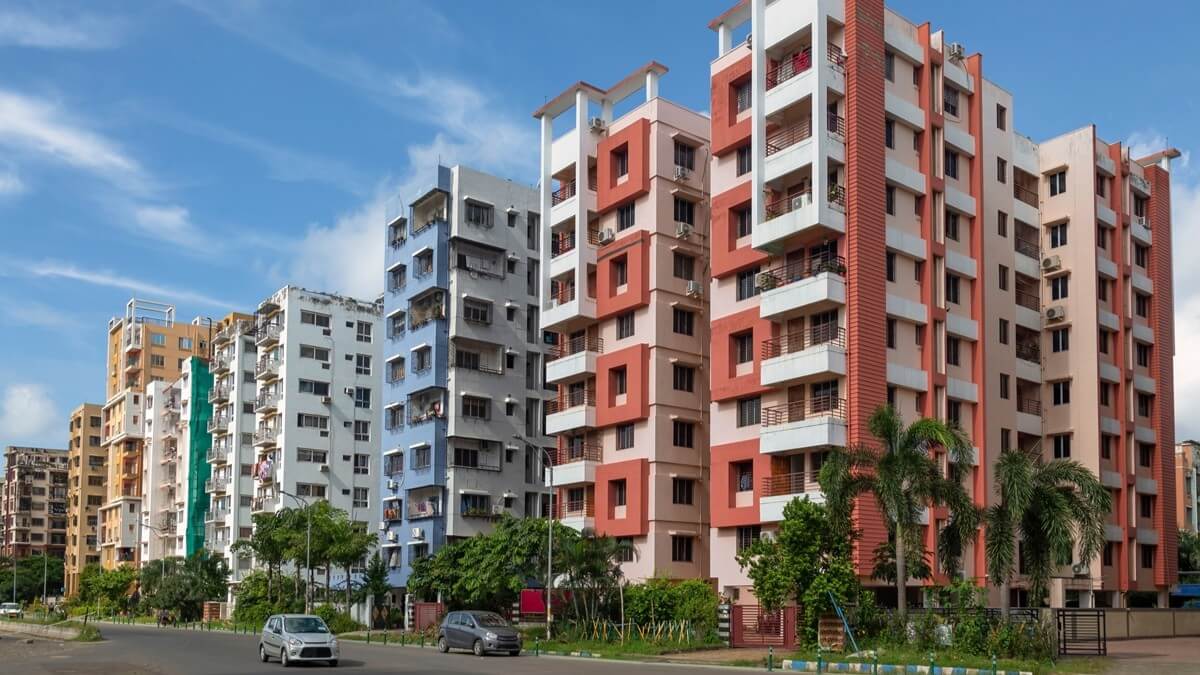
Thinking of investing in property in India? You might be looking for a home, a buy-to-let property, or be solely interested in investment opportunities.
Whatever your plans, we’re here to help - with a helpful and practical guide to buying property in India as a foreigner.
This includes info on mortgages, fees and taxes, property prices, where to start your search and the pitfalls to avoid.
We’ll also introduce a reliable and cost-effective way to send and receive large sums internationally with Wise. Over 14.8 million people worldwide use Wise to move £36 billion every quarter.
With low, transparent fees*, great mid-market exchange rates, and secure, trackable transfers, Wise makes international money transfers simple and stress-free. Plus, you’ll get dedicated support and volume discounts when sending large amounts. On a £50,000 transfer, you could save up to £1,000 with Wise vs your bank.
Get expert support for your large transfer 📞
| Please see the terms of use and product availability for your region or visit Wise fees and pricing for the most up to date pricing and fee information. |
|---|
The first thing you’ll need to think about is how you’ll finance your India property purchase. Unless you have the cash upfront, you’re likely to need a mortgage.
Unfortunately, banks in India don't generally offer mortgages to foreign citizens and non-residents. This is mainly due to very strict requirements from the Reserve Bank of India (RBI).2
So you may need to find another financing solution, whether its savings, proceeds from the sale of another property, or a loan from an international or UK bank (although this can be hard to find).
In order to set your budget for the purchase, you’ll need to factor in legal fees, property taxes and other costs.
Here are the main ones to know about when buying property in India:
| Tax/fee name | Amount |
|---|---|
| Transfer tax (stamp duty) | 3% to 10% (varies by state, property type, zone and other factors) |
| Legal fees | Around 1.5% |
| Notary fees | 1%3 |
| Property registration fees | 1% |
| Annual property tax | 0.10% to 1.00%, varies by state4 |
Average property prices in India have more than doubled over the last decade, with experts predicting they’ll rise a further 6% over 2026 and 2027.5
One of the drivers of this is the economic growth seen in India recently, as well as a boom in the luxury housing sector. However, this is expected to peter out over the next five years or so.
Affordability is something of a problem, as the country is lacking around 10 million affordable homes - and this gap is set to widen considerably by 2030.5
It is very difficult for foreign nationals to buy property in India, unless they meet strict residency requirements and other conditions.
You’ll usually need to do the following to be eligible to buy property:1
Non-Resident Indians (NRIs) and Overseas Citizens of India (OCIs) don’t have these restrictions.
No, there’s no direct route to residency in India through investment in real estate.
India does have a residency by investment programme known as the Permanent Residency Status (PRS) scheme. However, it offers 10-year residency to foreign nationals who invest a large sum (min. $1.5 million USD) in a business or other enterprise that generates local employment - real estate investment isn’t a valid pathway.6
Holders of a PRS residency permit also have permission to buy one house to live in.6
So if you’re looking to move abroad and settle in India permanently, you will need to find another visa pathway.
Now we come to the all important question - how much money do you need to afford a home in India?
According to cost of living database Numbeo, the cost of buying an apartment in India is a whopping 78% to 85% cheaper per square meter than the UK - depending whether you buy inside or outside a major city centre.7
Although of course, it really depends on the type of home and the exact area you’re buying in.
Here’s a look at what you can expect to pay for an apartment in each of the main cities of India:8
| City | Average apartment price per sq m - city centre (INR) | Average apartment price per sq m - outside city centre (INR) |
|---|---|---|
| Mumbai | 585,031 | 243,447 |
| Delhi | 238,268 | 93,261 |
| Bangalore | 176,697 | 85,687 |
| Chennai | 160,141 | 66,288 |
| Hyderabad | 126,262 | 75,692 |
| Lucknow | 112,152 | 53,450 |
| Kolkata | 105,529 | 54,181 |
| Ahmedabad | 81,391 | 54,722 |
| Jaipur | 75,203 | 37,297 |
Another thing to note when figuring out the price for property in India is that international transfers could get expensive, especially if the bank or provider adds a margin to the exchange rate to convert your pounds to Indian rupees (INR).
Consider checking out Wise to securely handle your large transfers with mid-market exchange rates and low, transparent fees*.


Some of the cheapest cities to buy property in India include:
But speaking generally, you’ll find more affordable property if you look outside of city centres and focus your search on suburbs, smaller towns and more rural areas.
Before you start your house hunt, it can be useful to know a little about how the process of buying property works in India.
Here’s a quick overview of the steps involved:
Before you do anything, you need to ascertain whether or not you’ll legally be able to buy property in India as a foreign national. This means looking into residency, whether you need permission from the RBI and checking other eligibility criteria. You may want to get professional advice on this.
If you are legally able to buy in India, you’ll need to work out how you’ll finance your purchase. As foreigners are unlikely to be able to get a mortgage from an Indian bank, this means arranging alternative financing.
You’ll also want to get your essential paperwork and ID documents together, and consider opening an Indian bank account.
Now it’s time to start searching for your dream home. You can use online property portals and/or local estate agents to find properties. We’ll run through some tips later on how and where to start your search.
If you’ve found somewhere you like, arrange a viewing as soon as you can, and start researching the area in the meantime.
If you’re considering buying from a developer, you need to check whether the development is registered under RERA (Real Estate Regulatory Authority).
While it’s not mandatory, it’s strongly recommended to find and appoint a property lawyer.
A personal recommendation is a good way to find a solicitor, but you can also find a list of English-speaking property solicitors on the UK Government website.
Your solicitor will act in your best interests throughout the transaction, carrying out all legal work, drafting and checking contracts, and carrying out crucial due diligence.
This will include checking for encumbrances, drafting and reviewing contracts, verifying the property title and ensuring that the property is legally allowed to be sold.
Importantly, it’s good to have these checks carried out before you make an offer on a property or commit to a purchase.
Your solicitor can also help you complete any processes and meet any conditions required of you as a foreign buyer.
If you have your eye on a property, you might want to book a building survey. This involves hiring a surveyor to check the property for structural or other issues.
If the survey flags anything up, you may be able to re-negotiate on price.
If you’ve found the perfect property and all checks/inspections come back clean, the next step is to submit a competitive offer to the estate agent. You can negotiate, just like in other countries.
If your offer is accepted and terms agreed, the next step is to sign the Sale Agreement in the presence of the notary. This outlines the terms and conditions of the sale.
Have your solicitor check the contract before signing, and then arrange a transfer to pay the deposit. In India, this is usually around 10% to 20% of the total price.1
📚 How to transfer large amounts to India
Now it’s time to work towards closing, which typically involves:
After all that’s done, you’ll get the keys to your new home.
The two main routes to find property to buy in India are local real estate agencies and online property websites.
It isn’t necessary to use a real estate agent to find a property to buy overseas. But it is recommended, especially if you’re moving to India from the UK and are unfamiliar with the local property market.
A specialist buying agent or broker will be able to offer helpful advice and insight into the local market, and guide you through the buying process.
However, there will usually be a fee to pay for this service, and you should make sure the agent is registered with the Real Estate Regulatory Authority (RERA).
A good way to get a headstart on finding a place to buy in India is to look online. Great websites to find a house or apartment to buy include:
One of the main things to watch out for when buying property abroad are scams.
The very best way to protect yourself when buying property in India is to consult an independent real estate lawyer. This is an expert who works just for you and has your interests at heart, rather than working for the seller or real estate agent at the same time.
The UK Government has a handy list of English speaking lawyers around the world.
Other key things to remember for a safe property purchase in India:
📚 Taking cash in and out of India rules
Your dream home in India will be the one that closest fits your search criteria. The most important factors will be location, the type of home and of course, how much you can afford to spend.
If you’re not already living there, it’s worth travelling to India to check out the specific town, city or state you’re interested in.
You’ll want to check out the local area and view properties, making sure to pay attention to local transport links and amenities.
It’s a good idea to do as much research as possible before committing to purchase a property.
It’s not mandatory, but it is strongly recommended to commission a building survey or inspection. This will flag up any major issues and give you a better idea of what you’re buying.
India is a vast country, which offers an equally broad variety of property types. Most common are high-rise urban apartments, but you'll also find bungalows, villas, gated community condos and row houses. Co-living spaces are also becoming increasingly popular in India.
You may prefer to buy a new build from a developer (and if you do - make sure to check that the project is RERA registered), but you could potentially get a better deal with an older property in a rural area.
Just remember though that older homes are likely to come with high renovation costs.
Before you can get the keys to your new home, you’ll have a few key tasks to run through. These include taking out insurance and setting up your utilities.
It’s strongly recommended to take out a buildings insurance policy starting from your completion date.
If you know when your completion date will be, it makes sense to get some essentials set up in advance of moving in.
A prime example is utilities, such as power and water. Get these sorted as early as you can, and the moving process should be a little smoother.
For some properties, some building work or improvements may be needed before you can move in.
Read our guide below on building and renovating property abroad, covering everything from planning permission to finding a local builder - and some of the main costs you can expect.
📚 Building and renovating abroad
After reading this guide, you should have all the essential info you need to start your property search in India. This includes those crucial first steps such as finding a broker and searching online property portals, and getting your finances in order.
Need a secure, convenient and low-cost* way to send a deposit or pay the final balance for your property purchase in India? Take a look at the Wise account from the money services provider Wise. It's not a bank account but offers some similar features and your money is safeguarded.
With Wise, you can set up large amount transfers worldwide to 140+ countries for low, transparent fees* and the mid-market exchange rates with no markup.
| Here’s an overview of the main benefits of using Wise: |
|---|
|
**Investments in funds are never guaranteed and your capital can be at risk. In the UK, Interest and Stocks are provided by Wise Assets — this is the trading name of Wise Assets UK Ltd, a subsidiary of Wise. Wise Assets UK Ltd is authorised as an investment firm and regulated by the Financial Conduct Authority (FCA). Our FCA number is 839689. We do not give investment advice, and you may be subject to pay tax. If you're not sure, seek qualified advice. You can find more information about the funds on our website.
It is possible for British citizens to retire in India, but there’s no dedicated retirement visa. This means you’ll need to look into other long-term visa types, to see if you’re eligible.
📚 How to transfer a UK pension to India
Yes, OCI cardholders can buy and own property in India just like permanent residents and Non-Resident Indians (NRIs). However, there are some restrictions - such as not being able to buy agricultural land.
Yes, NRIs can freely buy and own property in India, without needing to seek permission from the Reserve Bank of India (RBI).
The 12 year rule enables people who have occupied a piece of land continuously for at least 12 years to apply for legal ownership.9 However, this rule can be complicated in practice, and may vary in application between Indian states.
Sources used:
1. Instarem - mortgage info for foreigners and non-resident, restrictions and deposit amount
2. Jarnias Cyril - fees and taxes
3. Global Property Guide - notary fee
4. Global Property Guide - property taxes in India
5. Reuters - India property market statistics and info
6. Bright Tax - PRS info
7. Numbeo - cost of living comparison between UK and India
8. Numbeo - average prices by city
9. Housivity - the 12 year rule for land ownership
Sources last checked on date: 26-Jan-2026
*Please see terms of use and product availability for your region or visit Wise fees and pricing for the most up to date pricing and fee information.
This publication is provided for general information purposes and does not constitute legal, tax or other professional advice from Wise Payments Limited or its subsidiaries and its affiliates, and it is not intended as a substitute for obtaining advice from a financial advisor or any other professional.
We make no representations, warranties or guarantees, whether expressed or implied, that the content in the publication is accurate, complete or up to date.

Complete guide to stamp duty in Ireland for British buyers. Check current rates, the 15% surcharge, new build VAT rules, and when the tax is due.

Read our essential guide to buying land in Spain as a UK foreigner, covering land prices, fees and taxes, land types, and where to start your search.

Read our essential guide to buying land in Thailand as a UK foreigner, covering land prices, fees and taxes, land types, and where to start your search.

Read our essential guide to buying land in Turkey as a UK foreigner, covering land prices, fees and taxes, land types, and where to start your search.

Read our guide to find out where’s the cheapest place to buy a house in the world and make the most of your property search.

Read our guide to discover the cheapest country to buy land and explore the best locations abroad.











