
How to buy land in Italy as a foreigner: UK guide
Looking to buy land in Italy? Read our guide for average prices, the buying process and what foreign buyers from the UK need to know.


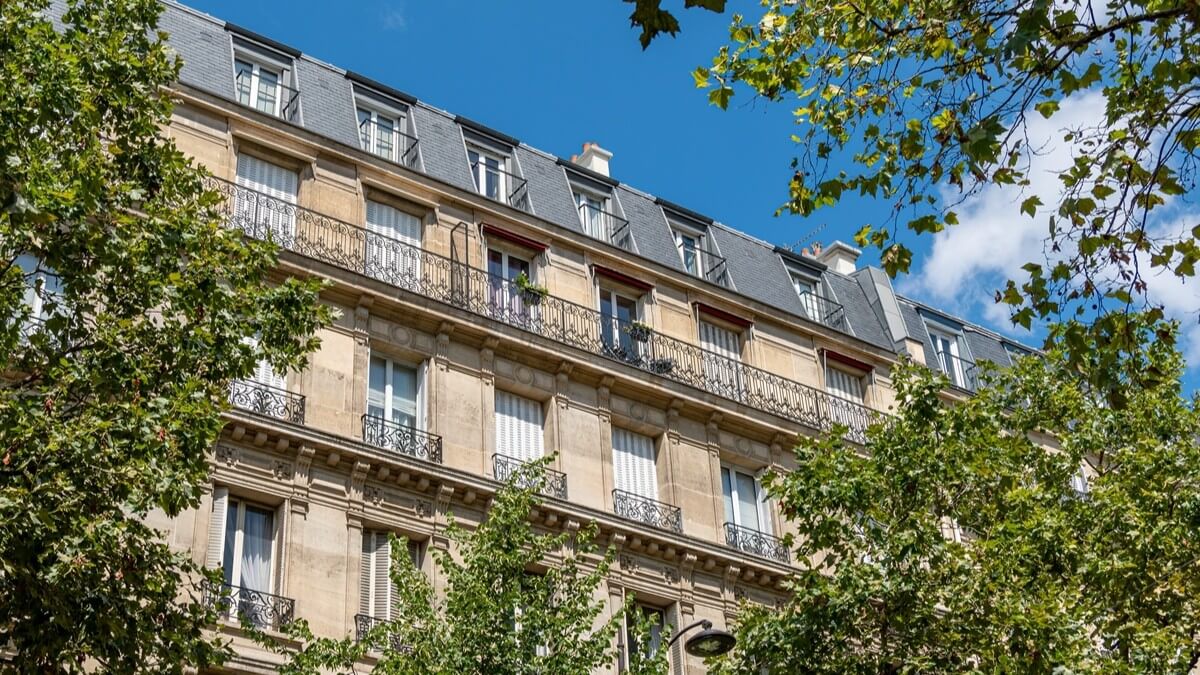
Planning a move to France from the UK? Whether you’re moving to France for retirement, work or just to enjoy the French lifestyle, you’ve probably considered buying property to live in or as an investment.
Your destination of choice may be Paris, Marseilles, Lyon or any smaller city in between. But wherever you look you’ll find a plethora of options of property for sale, ranging from massive estates to tiny flats and undeveloped plots of land.
If you’re dreaming of a move to France, we’re here to help. Read on for our essential guide on how to buy property in France as a foreigner, including info on mortgages, fees and taxes, property prices and pitfalls to avoid.
We’ll also introduce a reliable and cost-effective way to send and receive large sums internationally from the money services provider Wise.
With low, transparent fees*, great mid-market exchange rates, and secure, trackable transfers, Wise makes international money transfers simple and stress-free. Plus, you’ll get dedicated support and volume discounts when sending large amounts.
Get expert support for large transfers 📞
| Please see the terms of use and product availability for your region or visit Wise fees and pricing for the most up to date pricing and fee information. |
|---|
First up, you’ll need to think about how you’ll finance your French property purchase. Unless you have the cash upfront, you’re likely to need a mortgage.
The good news is that it is possible to get a mortgage in France as a foreigner. While the exact rules and taxes around getting a mortgage may vary slightly for foreigners and non-residents, all in all the process is the same as for residents.
In fact, because foreigners buying French property are so common, most national and international banks cater to the service. The only real restriction you may face is the amount you can borrow, as some lenders will only lend up to 70%-80% of the property’s value to non-EU citizens.1
Many banks will have English-speaking representatives to help you, but it may be a good idea to hire a professional translator anyway, as getting a mortgage isn't a process you want lost in translation.
You’ll want to start shopping around for mortgages before starting your property search in earnest - and consider using a specialist broker to assist you.
In order to set your budget for the purchase, you’ll need to factor in legal fees, property taxes and other costs.
Here are the main ones to know about when buying property in France:
| Tax/fee name | Rate/fee |
|---|---|
| Legal fees | Around 1%1 |
| Transfer tax (Droits de mutation)- resale properties | 5.8% to 6%1 |
| VAT (TVA) - new builds | 20%1 |
| Notary fees | 7% to 8% for resale properties 2% to 3% for new builds1 |
| Mortgage valuation fee | Around €250 EUR2 |
| Mortgage arrangement/origination fees | 0.5% to 1% of the loan amount2 |
| Building survey | €500 to €3,000 EUR3 |
| Annual property tax (Taxe Foncière) | Varies by municipality |
The property market in France is currently experiencing a period of recovery and price stabilisation, after several years of sharp decline in activity.
House prices rose by 0.39% in Q1 2025, compared to the year before - the first annual price increase since Q3 2023. The number of sales also increased by 4.32% in the year to May 2025.4
Despite these encouraging signs, analysts are warning that uncertainty lingers - so it’s wise to do your homework and get professional advice if considering investing in property in France.
If you’re interested in buying property to let, you may find it useful to know that the average rental yield in France is 4.63% (as of June 2025).4
There are currently no restrictions on foreigners buying property in France, however, you may find the process a bit more difficult as a non-resident. This means quite a lot of paperwork and due diligence.
If you’re working with a real estate agent, the process is likely to be relatively straightforward. But you’ll still need to make sure you read up on what taxes you’ll need to pay, and any French visas or residency permits needed so you can live in your new French home once you’ve bought it.
There’s no direct route to residency or citizenship in France simply by buying property.
Unlike some other countries, France doesn’t have a ‘Golden Visa’ or other scheme which grants residency in exchange for investment in property.
So if you’re looking to move abroad and live in France permanently, you’ll need to pursue an alternative visa pathway.
Now we come to the all important question - how much money do you need to afford your dream home in France?
According to the cost of living database Numbeo, the cost of buying an apartment in a city centre in France is broadly the same as the UK. However, it could be slightly cheaper (around 16%) to buy one outside of a city centre.5
To narrow it down a little further, here’s a guide to what you can expect to pay per square metre in some of France’s major cities:6
| City | Average apartment price per sq.m - city centre (EUR) | Average apartment price per sq.m - outside city (EUR) |
|---|---|---|
| Paris | €12,543 | €8,480 |
| Nice | €6,470 | €3,832 |
| Bordeaux | €6,223 | €4,340 |
| Lyon | €5,850 | €3,532 |
| Toulouse | €5,216 | €2,992 |
| Strasbourg | €4,717 | €2,696 |
| Montpellier | €4,517 | €3,493 |
| Marseille | €4,439 | €2,895 |
| Lille | €3,916 | €2,725 |
| Grenoble | €3,486 | €2,286 |
Another thing to note when figuring out the price for property in France is that international transfers could get expensive, especially if the bank or provider adds a margin to the exchange rate to convert your pounds to euros.
Consider checking out Wise to securely handle your large transfers with mid-market exchange rates and low, transparent fees*.


Of the major cities on our list above, Marseille, Lille and Grenoble are the cheapest in terms of property prices.
But if you’re house hunting on a tight budget, you may also be able to find affordable property in:
Before you start your house hunt, it can be useful to know a little about how the process of buying property works in France.
Here’s a quick overview of the steps involved:
The first step is to get your finances sorted. This means setting a budget, getting a mortgage offer (approval in principle) and getting all your paperwork together.
You might also want to open a French bank account.
📚 Opening a bank account in France
Now it’s time to start searching for your dream home. You can use online property portals and/or local estate agents to find properties. We’ll run through some tips later on how and where to start your search.
If you’ve found somewhere you like, arrange a viewing as soon as you can, and start researching the area in the meantime.
The DDT is a mandatory file of technical reports which sellers must make available to buyers, covering everything from energy performance to assessments for asbestos and termites, as well as details of electrical/gas installations.
Make sure you read this thoroughly before making an offer.
If you’ve found the perfect property, the next step is to submit a competitive offer to the estate agent, or to the buyer directly. You can negotiate, just like in other countries.
While it’s not mandatory, it’s a good idea to find and appoint a property lawyer.
A personal recommendation is a good way to find a solicitor, but you can also find a list of English-speaking property solicitors on the UK Government website.
Your solicitor will check over and translate all documents and contracts, as well as carrying out due diligence on the transaction.
This will include checking for encumbrances, drafting and reviewing contracts, verifying the property title and ensuring that the property is legally allowed to be sold.
If your offer is accepted, the next step is to sign the preliminary contract in the presence of a notaire (notary public).
The contract will set out the conditions of the sale, including conditions for cancellation - such as if your financing falls through or due diligence checks uncover something unexpected.
It’s a good idea to have your solicitor check this through before signing.
There’s a 10-day cooling off period after signing the preliminary contract, and then you’ll need to arrange a transfer to pay the deposit. In France, this is usually around 10%.1
At this stage, you might want to contact your mortgage provider to finalise the financing for your purchase.
While due diligence checks are being carried out, you might want to book a building survey. This involves hiring a surveyor to check the property for structural or other issues.
If the survey flags anything up, you may be able to re-negotiate on price.
The final step is to sign the official sale deed - known as the Acte de Vente - at the notaire’s office. You’ll also need to pay the remaining balance along with all fees and taxes. The property will be transferred to your name and you’ll get the keys to your new home.
The two main routes to find property to buy in France are local real estate agencies and online property websites.
It isn’t mandatory to use a real estate agent to find a property to buy overseas. But it can be helpful, especially if you’re moving to France from the UK and are unfamiliar with the local property market.
A specialist buying agent or broker can offer helpful advice and insight into the local market, helping you navigate the buying process.
However, there will usually be a fee to pay for this service. You should also make sure that any estate agents (agents immobiliers) you work with have a carte professionnelle from the Chamber of Commerce and Industry.
Keen to start your search online? Great websites to find a house or apartment to buy in France include:
No matter where you’re buying property, there’s a chance you could get ripped off. Scams are one of the biggest pitfalls to avoid when buying property in France.
The best way to steer clear of scams is to thoroughly research your agent, the property, the market in the surrounding area and what you’re entitled to as a buyer. Some common scams include:
The very best way to protect yourself when buying property in France is to work with experts, such as an independent real estate lawyer who acts in your interests (rather than working for the seller or real estate agent at the same time).
You can search this handy list of English-speaking lawyers on the UK Government website to find a lawyer. And when working with estate agents, make sure they’re registered with the Chamber of Commerce and Industry.
Other key things to remember for a safe property purchase in France:
📚 Risks and pitfalls of buying property in France
Your dream home in France will be the one that closest fits your search criteria. The most important factors will be location, the type of home and of course, how much you can afford to spend.
If you’re not already living there, it’s worth making a trip to the specific town or city in France you’re interested in. You’ll want to check out the local area and view properties, making sure to pay attention to local transport links and amenities.
It’s a good idea to do as much research as possible before committing to purchase a property. The first crucial step is to read the Dossier de Diagnostic Technique (DDT) carefully.
It’s not mandatory, but you may also want to commission your own building survey or inspection. This will flag up any major issues and give you a better idea of what you’re buying.
France is a large country with a huge range of different properties to choose from. This includes everything from modern apartments to detached houses in need of renovation.
Here’s a quick guide to popular French property types:
Before you can get the keys to your new home, you’ll have a few key tasks to run through. These include taking out insurance and setting up your utilities.
It’s strongly recommended to take out a buildings insurance policy starting from your completion date. In fact, you might find it's a mandatory condition of your mortgage offer.
If you know when your completion date will be, it makes sense to get some essentials set up in advance of moving in.
A prime example is utilities, such as heating, power and water. Get these sorted as early as you can, and the moving process should be a little smoother.
For older properties, some building work or improvements may be needed before you can move in.
Read our guide to building and renovating property abroad below, covering everything from planning permission to finding a local builder - and some of the main costs you can expect.
📚 Build and renovate property abroad
After reading this guide, you should have all the essential info you need to start your property search in France. This includes those crucial first steps such as finding a broker and searching online property portals, and getting your finances in order.
Need a secure, convenient and low-cost way to send a deposit or pay the final balance for your property purchase in France? Take a look at the Wise account from the money services provider Wise. It's not a bank account but offers some similar features and your money is safeguarded.
With Wise, you can set up large amount transfers worldwide to 140+ countries for low, transparent fees* and at the mid-market exchange rate with no markup.
| Here’s an overview of the main benefits of using Wise: |
|---|
|
**Investments in funds are never guaranteed and your capital can be at risk. In the UK, Interest and Stocks are provided by Wise Assets — this is the trading name of Wise Assets UK Ltd, a subsidiary of Wise. Wise Assets UK Ltd is authorised as an investment firm and regulated by the Financial Conduct Authority (FCA). Our FCA number is 839689. We do not give investment advice, and you may be subject to pay tax. If you're not sure, seek qualified advice. You can find more information about the funds on our website.
No, buying property in France doesn’t automatically lead to residency - you’ll still need to apply for the correct visa or residency permit.
The department of Creuse in central France is considered one of the cheapest places to buy property.7
Yes, you’ll need to pay transfer tax (Droits de mutation) of between 5.8% to 6%, or
VAT (TVA) of 20% if it’s a new build.1 You’ll also need to pay annual property taxes, which vary by municipality.
Under new rules, second home owners in France will still need to pay council tax - which has been abolished for primary residencies. There are also new restrictions on seasonal rentals and short-term lets for second homes.8
Finally, there are new limits on the number of second homes that can be built in municipalities which already have a high proportion of them.8
Sources used:
1. Properstar - fees and buying property as a foreigner
2. Harrison Brook - mortgages in France
3. Southern France Surveys - guide prices
4. Global Property Guide - France's residential property market analysis
5. Numbeo - cost of living comparison between UK and France
6. Numbeo - prices by city
7. Kyero - cheapest department to buy property in France
8. Green-Acres - new rules for second home in France what every owner needs to know
Sources last checked on date: 09-Feb-2026
*Please see terms of use and product availability for your region or visit Wise fees and pricing for the most up to date pricing and fee information.
This publication is provided for general information purposes and does not constitute legal, tax or other professional advice from Wise Payments Limited or its subsidiaries and its affiliates, and it is not intended as a substitute for obtaining advice from a financial advisor or any other professional.
We make no representations, warranties or guarantees, whether expressed or implied, that the content in the publication is accurate, complete or up to date.

Looking to buy land in Italy? Read our guide for average prices, the buying process and what foreign buyers from the UK need to know.
Read our practical guide to buying property in Las Vegas as a foreigner, including average prices, fees, taxes and mortgage info on buying property in the US.

UK buyer’s guide to buying property in Alaska state: Read on about real estate prices, taxes/fees, mortgages, and where to start your search.

UK buyer’s guide to buying property in Hawaii state: Read on about real estate prices, taxes/fees, mortgages, and where to start your search.

UK buyer’s guide to buying property in Arizona state: Read on about real estate prices, taxes/fees, mortgages, and where to start your search.

UK buyer’s guide to buying property in California state: Read on about real estate prices, taxes/fees, mortgages, and where to start your search.









