
Is there stamp duty in Ireland? Guide for Brits
Complete guide to stamp duty in Ireland for British buyers. Check current rates, the 15% surcharge, new build VAT rules, and when the tax is due.


Disclaimer: The contents of this article is for informational purposes only and does not constitute legal or tax advice. Decisions related to tax should be made after thorough research, consultation and verification from a qualified financial and legal advisor.
Dreaming of building your own home in beautiful sun-kissed Greece? You may want a holiday home, a rental property or perhaps to move there permanently from the UK.
Whatever your plans, turning your dream into reality will often come down to money. You’ll need to know the cost of building a house in Greece and whether your budget will stretch to it.
We’re here to help, with a complete guide for UK nationals on building costs in Greece. Plus, info on planning permission, architects fees, property taxes and everything else you need to know.
We’ll also look at the best way to pay for overseas building work in euros (EUR), using low-cost solutions such as the Wise account.
There are many reasons why you might want to build a house in Greece.
To start with, it offers a chance to build your dream house, to your exact specifications, in the perfect location.
This may be a holiday home or a property you’re building ahead of retirement, or perhaps a permanent family home.
You may be moving to Greece because you have connections there already, or you may simply be drawn there by the fabulous weather, delicious food, beautiful beaches and friendly locals.
It could also be cheaper to build your perfect home rather than buy a property abroad, especially in expensive areas of the country where house prices may be out of your budget.
Yes, you can build and buy property in Greece as a UK national.
However, as a non-EU citizen, you’ll need to apply for a Tax Registry Number (AFM) and open a Greek bank account.
You should also be entitled to build a property on the land you buy. However, there are some new property laws that have been recently introduced in Greece, which could affect what you can build and where.
We’ll look at that in more detail later in this guide.
Yes, you can build your own home in Greece, but you will need to work with some professionals and experts in order to navigate the country’s often complicated planning laws.
This includes a civil engineer to check that you are actually allowed to build on the plot and to look into local building regulations, and an architect to draw up the plans so that you can seek planning permission.
When building a house abroad, it’s also strongly recommended to seek as much professional advice as you can throughout the building process.
The first step to building your dream home in Greece is to find a suitable plot.
In Greece, land plots are broadly divided into two categories:
New rules introduced in 2024 further divided settlements into distinct development zones - consolidated, scattered and sparsely built. Further sub-categories include suburban, coastal, mountainous and traditional. Each of these categories has regulations on what can and can’t be built there.1
For example, if you’re building outside of a town or village you can only do so on a plot at least 4,000 sqm bordering a public road, and your building will have a height limit of 4m for single-storey buildings and 7.5m for two-storey buildings.2
There are lots of these rules and they can be complicated, so it’s strongly recommended to consult a civil engineer or other suitably qualified professional when starting your search. You don’t want to find the perfect plot only to find that you won’t be legally allowed to build what you want.
It’s also useful to know that there are some restrictions on foreign buyers. For example, you won’t be able to buy land near to military zones or protected natural reserves.3
Some areas are classed as ‘border zones’ - referring to specific regions in Northern Greece and certain Dodecanese and East Aegean Islands. In these areas, non-EU nationals must get a permit from the local Prefectural Council before they can buy land or property.4
To find your plot, you can use a local agent or one specialising in overseas property and land sales. Or you can start your search online, using real estate sites such as:
The process of purchasing land in Greece usually looks something like this:
You can build on your own land in Greece, but only if the following conditions are met:
Yes, you should be able to build on undeveloped land in Greece - but it depends on the restrictions relating to the specific plot.
You may not be able to build on forestry, agricultural or some coastal land, or any plot in a conservation area or archaeologically important site. You may also face obstacles if your plot isn’t deemed big enough for building on under the country’s building regulations.
The best way forward is to consult a civil engineer or contact the local planning department or other relevant authorities to find out about the status of land and any restrictions on it.
You should also bear in mind that rural plots can be difficult to build on, as the terrain may not be suitable and the land may not be connected to mains power, water and sewage systems. Access for construction vehicles may also be a problem.
Yes, to build a house in Greece, you’ll need to apply for a full building permit - known as Oikodomiki Adeia.5
There is such a thing as ‘small scale works’ approval (Egkrisi Ergasión Mikrís Klímakas) but this is only for minor alterations. It’s not suitable for major construction projects such as building a new house.
While it can vary, it generally takes around 45 days to get a building permit in Greece.5 This is provided all your paperwork is in order and there are no issues with your application.
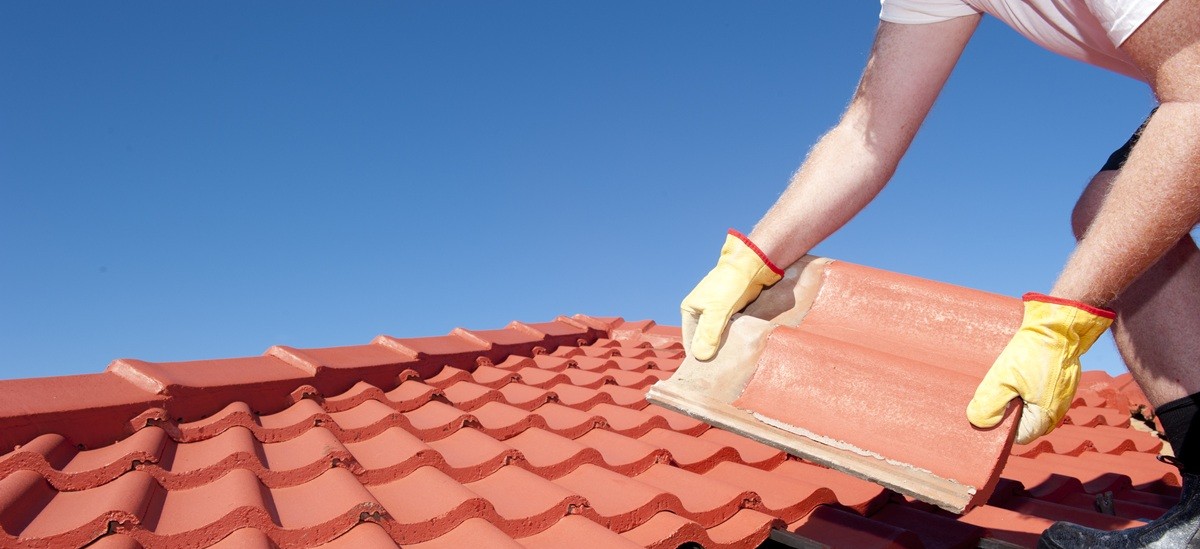
Now we come to the crucial issue of how much it will actually cost you to build your dream home in Greece.
There are many different fees and taxes to factor in, and lots of people to pay - including your architect and building contractors.
Architect’s fees in Greece will vary depending on the specific project. Some architects may charge a fixed fee, an hourly/daily rate or a percentage of the overall construction costs.
As a very rough guide, you can expect architect’s fees for all pre-construction work to be around 4% of the total build cost.6
Building work in Greece is generally cheaper than in the UK, although it depends what you’re building and where in the country you are.
The average cost per square metre to build a house in Greece is €1,700 EUR to €2,400 EUR (for a traditionally built house), which is around £1,478 to £2,087 in GBP.7
In the UK, it’s around £1,750 and £3,000 GBP per m2.8
The average salary for a builder in Greece is €12 EUR (£10.44 GBP) an hour, or €25,446 EUR (£22,130 GBP) a year.9
The admin fee to issue a building permit is between €10 and €20 EUR.10
However, there may be other admin fees involved, especially if you need to have additional surveys or plans drawn up, or use other professional services, in order to complete the application process.
When you buy land or property in Greece, you’ll pay property transfer tax of 3% to 24% depending on the value of the property. This is along with notary fees (0.5% to 1%) and Land Registry fees (0.5% to 1%).11
If you’re buying a new property, you may have to pay VAT (known as FPA in Greece) of 24% and Stamp Duty of 3%.11
There are also annual property taxes to pay. These are ENFIA (Unified Tax on the Ownership of Real Estate) and TAP (municipality duty) - rates for these vary depending on the value of the property.12
Disclaimer: The above information is for informational purposes only and does not constitute legal or tax advice. Decisions related to tax should be made after thorough research, consultation and verification from a qualified financial and legal advisor.
Now, let’s take a look at some of the challenges you may need to overcome when building a house in Greece.
A full building permit is essential before you can legally build a new home or an extension on a plot of land you own.
In Greece, the main permit you will need to build a new house is a full building permit (Oikodomiki Adeia). This gives you permission to build a property in line with the conditions and restrictions of the plot, according to national and local planning laws.
You may also need other permits, such as:5
When submitting the application for your permit, you’ll need to provide the following supporting documents (among others):10
For the majority of documents, you’ll need the services of an architect and/or a civil engineer.
It’s important to check with the local planning authority what exact documents you’ll need, to avoid any delays.
Before starting any construction work, it’s important to check that the terrain is stable enough for excavation and building.
You may be required to commission a geological report, or surveys to assess any seismic or hydrogeological risks or constraints.
It’s also important to check whether there are any restrictions or laws in the local municipality governing how your new building should look.
There may be restrictions related to protected areas or listed buildings, which determine what can and can’t be built in the area.
For example, there are height restrictions for any new buildings near the Acropolis in Athens.13
On islands such as Skopelos, which has been designated a ‘Traditional Settlement of Outstanding Beauty’, there are strict rules on buildings and renovations which would negatively impact the character of the area.14
If you’re not fluent in Greek, it’s a smart idea to appoint a multilingual project manager - or hire a translator.
You should also aim to get any agreements in writing, and have those agreements translated into English.
Otherwise, the risk of miscommunication and misunderstandings is high - and this could derail your project.
You’ll also need to think about how you’ll pay your contractors, builders, tradespeople, engineers and architects in euros (EUR). You’ll need to make sure you’re not losing out to currency conversion, so opening a local bank account could be a good idea.
Alternatively, open a Wise account online and you can make fast, secure payments in EUR for low fees* and mid-market exchange rates. It’s a low cost option that could save you money throughout the project.
It’s recommended to do some research on the cost of construction materials while putting together your budget.
You’ll also need to speak to your building contractor about available payment methods, but bank transfer is likely to be the most commonly accepted.

The amount you’ll need to build a house in Greece varies considerably depending on where you’re building, what size property and the specifications of the project.
As a ballpark figure, you can expect to pay roughly €1,700 EUR to €2,400 EUR a square metre for a traditionally built house. This is is around £1,478 to £2,087 a square metre in GBP.7
To calculate your construction costs, you’ll need to multiply this by the total square metre size of your planned property.
You’ll also need to factor in architect fees, building permit application fees, taxes and other associated costs.
It isn’t mandatory to have a Greek bank account in order to build a house in the country. However, you will need to have one in order to buy land or property in the first place.
You’ll also find it difficult to cover your costs and pay international invoices and bills without one.
There are a few different ways you can pay expenses in Greece, while still based in the UK.
You can use your bank, but bear in mind that there may be relatively high fees related to sending money overseas. You may also lose out to currency conversion, as banks often add a margin to the mid-market exchange rate.
Another option is to use a specialist money transfer service like Wise. Open a Wise account and you can use the dedicated service for large amount transfers to send money safely and securely overseas.
Open a Wise account at the start of your project and you’ll be able to easily send money between the UK and Greece.
This is a good way to keep currency exchange costs down, and make sure everyone gets paid on time.
There’s even dedicated support for large amount transfers, essential when you’re buying land or property, or paying large bills.
Learn more below or contact our dedicated large transfer team to help you get started. There's also a discount when you send over 20,000 GBP (or equivalent) because sending large amounts is cheaper for us. So, it should be cheaper for you, too.
On a £50,000 transfer, you could save up to £1,000 with Wise vs your bank.
It all depends on the complexity and size of the house you’re building, but on average it takes 8-12 months to build a house in Greece.15
Be aware though that this doesn’t include time spent on due diligence checks into restrictions on the plot, having architects drawings completed or waiting for your building permit to come through.
The size and height of property you’ll be permitted to build will be set by the local authority, according to its zoning plans and the specific restrictions relating to your plot of land.
While Greece house prices vary depending on where and what you buy, the average house price per square metre is €2,561 EUR (approx. £2,227 GBP).16
The average price of a detached house up to 150 sq m is around €350,000 EUR.15
Yes, non-EU citizens including UK nationals must pay annual property taxes including ENFIA and TAP - even if you don’t live in Greece full-time. 12
You’ll also have to pay property transfer tax when you buy the land or property, and capital gains tax (CGT) when selling property in Greece.
Yes, Greece has a Golden Visa programme which grants a five-year residency permit to foreign buyers making a minimum investment of €250,000 EUR (£217,425 GBP) in real estate.17
This increases to a minimum of €800,000 EUR (£695,760 GBP) for high-demand areas like Athens, Thessaloniki and certain Greek islands.17
However, there are a number of other conditions that must be met, and restrictions on activities such as short-term lets in certain areas.
It all depends on your visa type. If you have a Golden Visa, you can stay up to 5 years.17 Other visa types have different expiry periods, so you’ll need to explore your options.
Without a visa, you can only stay in Greece up to 90 days as a UK citizen - whether or not you own property there.18
The islands of Corfu, Naxos, Evia, Thassos and Lefkada are among the most affordable places to buy property in Greece.19
Sources used:
1. Elxis - building restrictions and regulations in Greece
2. Elxis - latest rules for building in small towns in Greece
3. Chase Real Estate Corfu - Greek property regulations
4. Investropa - buying land in Greece
5. Your Overseas Home - getting planning permission in Greece
6. Building in Crete - estimate of architect fees
7. Arencos - cost of building house in Greece per sq m
8. Urbanist Architecture - cost of building house in the UK per sq m
9. Economic Research Institute - builder salaries in Greece
10. Hellenic Republic Government - building permits in Greece
11. Properstar - taxes and fees
12. Your Overseas Home - ENFIA and TAP info
13. GTP - height restrictions on new buildings near Acropolis
14. The Thinking Traveller - Skopelos building restrictions
15. Crete Homes - how long it takes to build a house in greece
16. Engel Voelkers - average property prices in Greece
17. Get Golden Visa - Greece Golden Visa info
18. GOV.UK - Foreign travel advice and how long you stay in Greece with a visa
19. Chase Real Estate Corfu - cheapest islands for property in Greece
Sources last checked on date: 17-Oct-2025
*Please see terms of use and product availability for your region or visit Wise fees and pricing for the most up to date pricing and fee information.
This publication is provided for general information purposes and does not constitute legal, tax or other professional advice from Wise Payments Limited or its subsidiaries and its affiliates, and it is not intended as a substitute for obtaining advice from a financial advisor or any other professional.
We make no representations, warranties or guarantees, whether expressed or implied, that the content in the publication is accurate, complete or up to date.

Complete guide to stamp duty in Ireland for British buyers. Check current rates, the 15% surcharge, new build VAT rules, and when the tax is due.

Read our essential guide to buying land in Spain as a UK foreigner, covering land prices, fees and taxes, land types, and where to start your search.
Read our essential guide to buying land in Thailand as a UK foreigner, covering land prices, fees and taxes, land types, and where to start your search.
Read our essential guide to buying land in Turkey as a UK foreigner, covering land prices, fees and taxes, land types, and where to start your search.

Read our guide to find out where’s the cheapest place to buy a house in the world and make the most of your property search.
Read our guide to discover the cheapest country to buy land and explore the best locations abroad.











