Best eSIM for India: Top 5 plans compared for UK travellers
Find the best eSIM for India for UK travellers. Compare top plans, learn how to activate your eSIM, and avoid roaming charges on your trip.


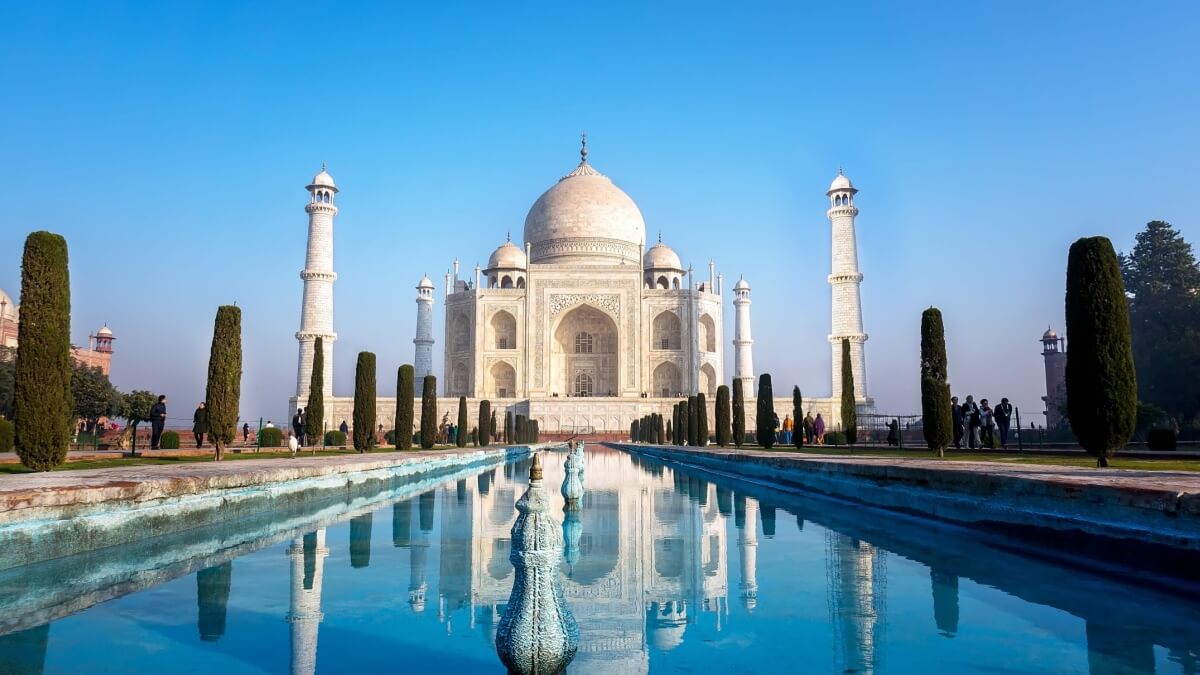
From Himalayan peaks to palm-lined beaches, India’s breathtaking landscapes are a dream for adventurous travellers. Combined with delicious food and a culture shaped by centuries of heritage, the country is bound to leave a lasting impression. However, the weather varies greatly across the regions, so choosing the right time to visit can make a big difference to your experience.
Wondering about the best time to travel to India from the UK? In this guide, we explain the seasons, weather patterns, flight prices and top activities across India so you can plan a trip that fits your preferences and budget.
We’ll also mention the Wise card, a cost-effective option for spending in India. It allows you to spend in 150+ countries, with low, transparent fees* and the mid-market exchange rate.
The best time to travel to India depends on where you want to go, as the country is huge and the climate differs widely across regions. In general, the period from November to March is often recommended for most travellers. However, visiting during the monsoon or summer has its own advantages, including fewer tourists and lower prices.
The northern plains and Himalayan regions experience cooler winters and very hot summers. Central India has hot, dry weather followed by monsoon rains. Southern India, including Kerala and Tamil Nadu, has a tropical climate with two monsoon seasons depending on the coast.
We’ll outline the seasons to help you decide the best time to travel to India depending on the experiences you want.
This is the peak tourist season in India, since the weather is pleasant across most regions. These months are great for exploring Indian cities and national parks, as well as enjoying major festivals like Diwali.
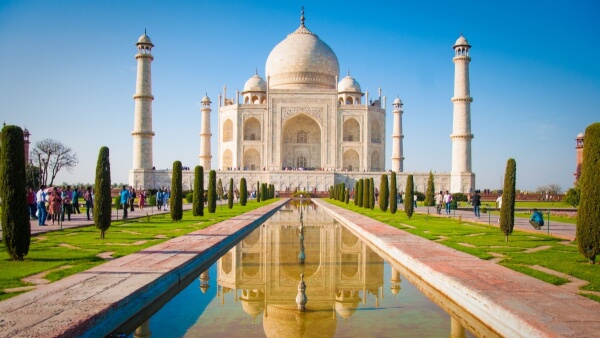
In northern India, including Delhi, Agra and the deserts of Rajasthan, temperatures are cool and comfortable. This is an excellent time to visit the Taj Mahal or wander through markets without intense heat.
The Himalayan region, including Himachal Pradesh and Uttarakhand, also has mild days during November and December, although nights can be cold. This season is great for visiting towns such as Shimla, Manali and Rishikesh. January and February are colder with snowfall in higher areas, which can make travelling more difficult.
Central India has dry weather and moderate temperatures, which is ideal for visiting national parks such as Kanha, Bandhavgarh and Pench. If you’re visiting Kerala, Goa or other parts of southern India, you’ll enjoy warm and sunny weather from December to March. This is a great time for beach holidays and exploring ancient temples in Tamil Nadu.
January to March is also the season of some of India’s most famous festivals, like the celebration of Republic Day, Sankranti and Holi.
April to June marks the hot season across most of India. Temperatures rise in many regions, especially the northern plains and central India. This period is best for travellers who don’t mind heat and are trying to find better deals.
The Himalayas become easier to access for trekking and exploration around June. Hill stations such as Shimla, Dharamshala and Darjeeling attract visitors looking for cooler weather and panoramic mountain views.
Although central India experiences very high temperatures, many wildlife enthusiasts consider this the best time for tiger sightings. As water sources shrink, animals often gather around lakes and rivers, which is a great opportunity to take photos. Southern India remains warm during this season.
India’s monsoon season typically lasts from June to October, though the intensity varies by region. While some tourists avoid monsoon months, this can also be a good time to visit if you choose destinations carefully. For example, the Ladakh region has sunny and clear weather.
From July, the northern plains start to cool with the arrival of monsoon rains. It also rains in cities such as Delhi, Lucknow and Jaipur, but it’s a welcome relief from the heat. Monsoon season also turns the landscapes green and lush, making this another great season for photography.
Central India receives heavy rainfall in July and August, which creates beautiful scenery around waterfalls and lakes. However, some national parks close during this period for maintenance, so it is important to check in advance.
If you’re going to southern India, you can expect two monsoon seasons. Kerala receives its main monsoon from June to September, while Tamil Nadu experiences heavier rain later in the year, typically from October to December.
If you do not mind occasional storms, this can be an excellent time to find good travel deals. This is also another major festival period, with events such as the Kerala boat races, Ganga Dussehra and Ganesh Chaturthi, ending with Diwali.
India is a country of extraordinary diversity, natural wonders and rich cultural traditions. No matter when you visit, there are countless experiences to enjoy. Here are some ideas to inspire you.
India is home to a remarkable variety of wildlife, including tigers, elephants, leopards and rhinos. If possible, visit at least one national park and immerse yourself in India’s natural beauty.
Popular national parks such as Ranthambore, Kaziranga and Periyar offer guided safaris and nature walks, which is a great way to learn about their history.
Spirituality plays a central role in Indian life. You can experience this for yourself by attending the Ganga Aarti in Varanasi, visiting the Golden Temple in Amritsar or exploring Buddhist monasteries in Ladakh.
Yoga and meditation retreats are also available throughout the country, with Rishikesh being especially well known.
India’s cuisine is incredibly diverse, with each region offering its own flavours, spices and specialties. Taking a cooking class is a chance to learn how classic dishes like curry, biryani, dosa or chaats are prepared.
Many classes also include market visits, where you’ll be able to explore fresh local spices and ingredients. It’s a fun, hands-on way to bring a piece of India back home.
India has countless landmarks, from grand forts to ancient temples and UNESCO sites. The Taj Mahal, Jaipur’s Amber Fort and the Qutub Minar in Delhi are among the most famous.
Even on a budget, booking a guided tour is a great investment. Guides share stories about local culture and architecture, along with valuable local insight.
Once you’ve chosen the best time to travel to India, you can plan the practical details of your trip. Here are a few important points to consider.
All British passport holders except Overseas Indian Citizens (OCI) need a visa to enter India. The e-visa system is the most convenient option. Ensure your passport has at least six months of validity from your arrival date.¹
You should also complete an e-arrival card online before you reach immigration. You can do this up to 72 hours before you arrive.¹
India can be reached from several UK cities, including London, Manchester, Birmingham, Edinburgh and other major cities. Average travel time is around nine and a half hours, but there are no direct flights available. The most popular airline is Air India.
Prices vary throughout the year based on a multitude of factors including how far in advance you book and your departure airport. March is currently the most affordable month for travel, with tickets starting at around £250.²
Open a Wise account online and you can order the Wise debit card for a one-time fee of £7. You can use this clever card in 150+ countries.
It automatically converts your pounds to local currency whenever you spend using the mid-market exchange rate, only adding a tiny, transparent conversion fee* – or it’s free if you already have the local currency in your Wise account.
You also get two free ATM withdrawals for up to 200 GBP (or currency equivalent) each month. Wise will not charge you for these withdrawals, but additional charges may occur from independent ATM networks.
Sources used:
Sources last checked on date: 05-Dec-2025
*Please see terms of use and product availability for your region or visit Wise fees and pricing for the most up to date pricing and fee information.
This publication is provided for general information purposes and does not constitute legal, tax or other professional advice from Wise Payments Limited or its subsidiaries and its affiliates, and it is not intended as a substitute for obtaining advice from a financial advisor or any other professional.
We make no representations, warranties or guarantees, whether expressed or implied, that the content in the publication is accurate, complete or up to date.
Find the best eSIM for India for UK travellers. Compare top plans, learn how to activate your eSIM, and avoid roaming charges on your trip.
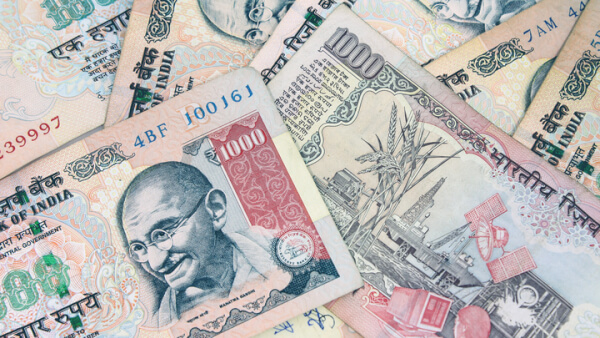
Read our helpful guide to money, banks and currency in India, plus info on cards and currency exchange.
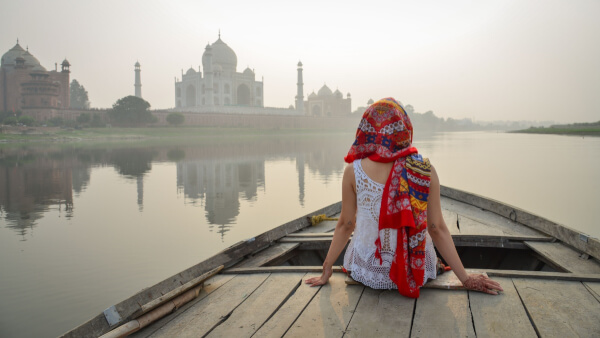
How to travel to India from the UK, including the type of visa you need, how you can apply, how much it costs, and the best way to exchange money.

Travelling to the USA? Read our roundup of the best UK credit cards to use in the USA, comparing interest rates, fees and more.
Travelling to India? Read our roundup of the best UK credit cards to use in India, comparing interest rates, fees and more.
Read our guide on the best travel card for India, including card comparisons and travel tips.