How Revolut exchange rates work in Spain: fees, limits and weekend markups
Moving money as an expat in Spain? Discover how Revolut handles currency exchange rates, hidden weekend fees, and fair usage limits across different plans.


Managing your money online is about finding a balance between speed and security. Today, people in Spain increasingly rely on mobile wallets, online subscriptions, and digital banking¹. No matter if you’re paying for your morning coffee, buying software from an international company, or managing freelance expenses, free virtual cards have become a highly relevant tool.
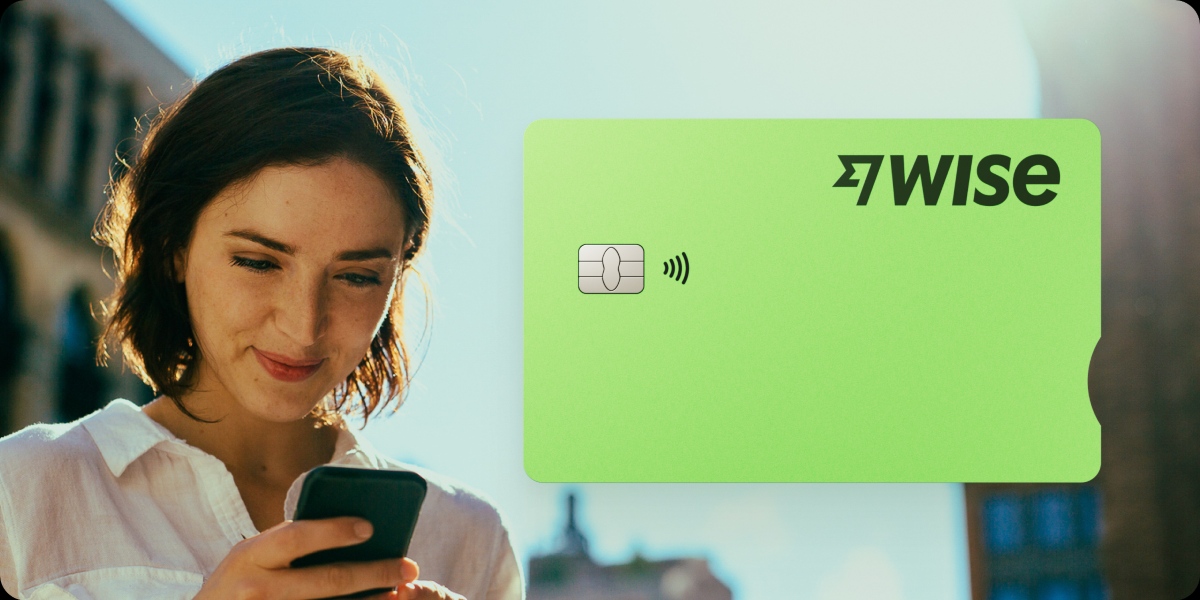
For those who shop internationally or manage multiple currencies, services like Wise offer a powerful solution. With a Wise virtual card, you hold money in 40+ currencies and pay at the mid-market exchange rate, so you save money on international transactions. But what exactly are these cards, and are they really free?
This guide covers everything you should know about picking and using virtual cards in Spain. We will look at how they protect your online purchases, manage your subscriptions, and help you avoid annoying hidden bank fees.
Before getting into the details, it helps to understand the terminology. You might hear several different terms thrown around, but they aren't all exactly the same thing:
Free virtual cards: a digital-only payment card with its own unique 16-digit number, expiration date, and CVV. It lives entirely in your banking app².
Digital cards: often used interchangeably with virtual card, but it also refers to a digital copy of your physical plastic card stored in Apple Pay or Google Pay³.
Disposable or single-use cards: a specific type of virtual card where the card details regenerate or self-destruct immediately after a single purchase⁴.
Prepaid cards: a card you must load with money before using. Some virtual cards run on prepaid networks, which can affect where they are accepted.
Getting started with free virtual cards is simpler than you might think!
Before you start, make sure you're signing up with a provider that's regulated by a recognized financial authority, as this is an indication of reliability. For instance, in Spain, platforms supervised by organizations like the Banco de España are a great choice.
While regulation doesn't guarantee service outcomes, checking for it helps ensure you're choosing a provider that complies with official standards from the start.
To get set up, you'll usually need to pass a simple Know Your Customer (KYC) verification⁶. Don’t worry, this is standard for financial services.
Just have your national ID or passport ready, along with something like a utility bill or bank statement to confirm your address.
It only takes a few minutes, and it’s a key step in protecting your account.
Once you’re signed up, head to the card management section in your provider’s app or platform. Look for the option to create new free virtual cards.
This process takes just seconds, and as soon as it’s generated, your digital card is ready to use. You can even nickname it to keep things organized, like naming one card for subscriptions and another for online shopping².
Time to start using your free virtual cards! Add details to your subscription service or online checkout. Many providers also allow you to set custom spending limits or even freeze your card for extra control⁴, which is a great way to stick to your budget and stay secure. It’s a simple yet powerful tool for managing your money safely online.
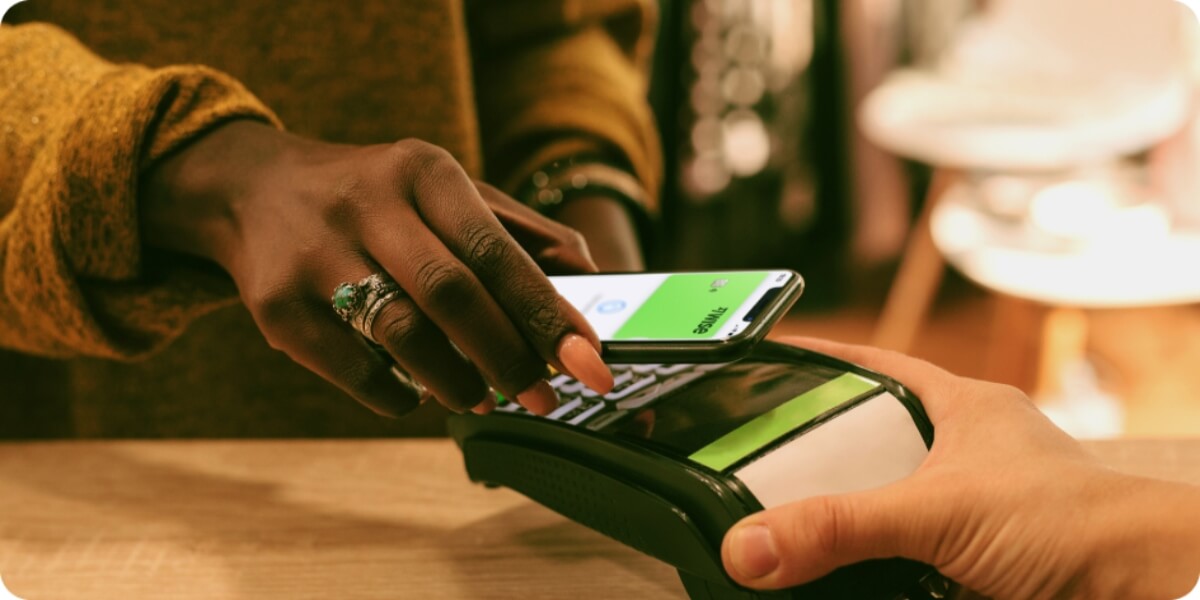
Free virtual cards are incredibly versatile. If you link them to your smartphone via Apple Pay³, Google Pay, or other supported wallets, you can even use them at physical contactless terminals anywhere in Spain. Here are some practical ways to use them:
Online shopping: keep your main account numbers private when buying from new or unfamiliar websites.
Streaming subscriptions: assign a specific virtual card to Netflix or Spotify so you can track the exact cost easily.
Trial memberships: sign up for a 7-day trial using free virtual cards, and freeze it right after. If you forget to cancel, the merchant won't be able to charge you.
Travel bookings: pay for flights and accommodations in different currencies.
International purchases: buy goods from outside the Eurozone using providers that offer better currency exchange rates than traditional banks.
Freelancer expenses: use a dedicated card to pay for business software and web hosting⁵.
Separating personal and business spending: keep a clear boundary between your personal coffee runs and your professional expenses.
For freelancers and autonomous workers in Spain, separating expenses is tough.
free virtual cards offer a very simple way to keep business expenses separate from personal ones, making tax time much easier⁵.
Instead of putting a software subscription on your personal credit card, you can generate a virtual card specifically for business tools.
This tracks your payments cleanly in your app.
But there’s more to it. If you work with international clients or pay for services priced in US dollars or British pounds, using a smart multi-currency virtual card can significantly reduce currency conversion costs compared to traditional Spanish banks.
| Read more: How does Wise work in Spain? |
|---|
Think of free virtual cards as a digital shield for your financial data. They allow you to “containerize” your spending. Your card details are less exposed, which can reduce the impact of a merchant data breach. If a website gets hacked, your main account stays secure, and you can just delete the compromised virtual card with a single tap.
However, they aren’t a perfect solution for all situations. Be aware of a few limitations:
Hotel deposits and car rentals: many require a physical credit card with your name embossed on it for the security deposit.
Subscriptions needing physical proof: occasionally, a service or ticket pickup will ask you to show the physical card you used to book.
Merchant blocks: some block prepaid or virtual card bins to prevent fraud.
It’s always a great idea to look a little closer at the “free” label.
The card creation might be free, but users may still face fees for currency conversion, ATM withdrawals, physical card delivery, account funding, or international spending.
Here is a quick checklist of fees to watch out for:
| Fee type | What to check |
|---|---|
| Virtual card creation | Is it really free to generate, or is there a limit to how many you can make? |
| Monthly account fee | Is the virtual card part of a free tier, or do you need a paid premium plan? |
| Currency conversion | Is there a markup on the exchange rate, or a transparent flat fee? |
| International card payments | Are there extra charges for spending outside the Eurozone? |
| ATM withdrawals | Are limits or fees applied if you use the card at an ATM via your mobile wallet? |
| Physical card delivery | If you eventually want a plastic card, is delivery optional or required (and what does it cost)? |
You have plenty of options if you live in Spain.
Wise is a game-changer for anyone dealing with different currencies, especially popular among travellers, expats, and freelancers. It lets you hold 40+ currencies in a single account, and you can create a virtual card instantly and for free.
The standout feature is that Wise uses the mid-market exchange rate, no hidden markups. You pay a small, transparent fee for currency conversions. That’s it.
There are a couple of things to note:
if you want a physical card to go with your free virtual cards, there's a one-time delivery fee of €7.
ATM withdrawals are free for the first €200 (or two withdrawals) each month, with a small fee after that.
As a giant in Europe's fintech scene, Revolut offers some powerful virtual card features, even on its free Standard plan⁴. One of its best security features is the ability to create single-use disposable cards, perfect for one-off online purchases².
You can also generate multi-use free virtual cards for your subscriptions. Local payments and SEPA transfers are free, which is great for everyday use.
However, its currency exchange fees can be a bit tricky.
On the Standard plan, you can exchange up to €1,000 a month on weekdays for free, but you'll hit a 1% fair usage fee after that⁷. Plus, they add extra fees for exchanges made on weekends, and getting a physical card delivered also costs extra.
N26 is known for its sleek app and for providing a full Spanish IBAN, which makes it feel like a proper local bank account. The free N26 Standard account includes a virtual Mastercard, and critically, it integrates with Bizum (a must-have for anyone in Spain)⁸.
You also get two free ATM withdrawals each month within the Eurozone.
The main drawback is that if you decide you want their signature transparent physical card, you'll have to pay a €10 delivery fee.
Compared to Wise or Revolut, its free plan is also a bit more basic and doesn't offer the same advanced features for holding multiple currencies.
Not to be left behind, most major Spanish banks like BBVA, Santander, and CaixaBank now offer some form of virtual or prepaid digital card through their mobile apps.
The biggest advantage here is convenience.
The card is linked directly to your existing Spanish bank account, you have seamless access to local ATM networks (usually without limits), and they all support Bizum.
The downside often lies in hidden costs, particularly when you spend abroad.
Instead of a transparent fee, they often bake extra charges into a less favourable exchange rate. Their apps can also feel a bit clunky and outdated compared to the slick, modern experience offered by fintech competitors.
When deciding which free virtual cards to get, ask yourself these questions:
Is the provider regulated in the EEA⁶ or supervised by a financial authority?
Is the virtual card free to generate and maintain?
Are exchange rates transparent if I buy something from outside Europe?
Does it support Apple Pay or Google Pay for in-store purchases?
Can you freeze or delete the card instantly from your phone?
Are there spending limits you can control?
Can you create multiple virtual cards for different subscriptions?
Are business or freelancer tools included if you need them?
These are some key questions to ask when choosing a virtual card provider, and answering them can help you find a service that fits your needs perfectly.
Creating free virtual cards is possible with providers like Wise, Revolut, and N26.
However, you should always check the pricing schedule for secondary fees related to currency conversion, ATM withdrawals, and international transfers.
Yes, but only if you link your virtual card to a mobile wallet like Apple Pay³. Once linked, you can use your phone to tap and pay at any physical contactless terminal.
They offer a strong layer of protection. Because the numbers are different from your main account, using them means your main card details are less exposed. Plus, if a card is compromised, you can delete it in the app without replacing your plastic card.
Yes, most major providers (including Wise, N26, Revolut, and traditional Spanish banks) allow you to add your free virtual cards directly to Apple Pay or Google Pay.
Always look out for currency conversion markups, fees for spending on weekends, ATM withdrawal limits, and physical card delivery fees.
Picking the right free virtual cards is a way to make your daily spending safer and cost-effective. This digital tool gives you better control over your subscriptions and online shopping. And if you frequently spend across borders or want to separate freelance expenses, Wise is a competitive option due to its transparent mid-market exchange rates. Take a quick look at your current bank's exchange rates and fees, and compare them to the alternatives to see how easier digital spending can be.
Join Wise and get your virtual card
Sources:*Please see terms of use and product availability for your region or visit Wise fees and pricing for the most up to date pricing and fee information.
This publication is provided for general information purposes and does not constitute legal, tax or other professional advice from Wise Payments Limited or its subsidiaries and its affiliates, and it is not intended as a substitute for obtaining advice from a financial advisor or any other professional.
We make no representations, warranties or guarantees, whether expressed or implied, that the content in the publication is accurate, complete or up to date.

Moving money as an expat in Spain? Discover how Revolut handles currency exchange rates, hidden weekend fees, and fair usage limits across different plans.

Find out the smartest ways to exchange dollars for euros in Spain. Compare exchange rates, ATM fees, banks, and travel-friendly options for tourists, expats.

Moving from the UK to Spain? Learn how to exchange pounds to euros with fewer fees, better GBP to EUR rates, and smarter options for everyday life.

Discover the smartest way to exchange Swiss francs to euros in Spain. Compare providers, bypass SWIFT fees, and use SEPA Instant for fast transfers.

Discover Wise in Spain: A simple guide to multi-currency accounts, low-cost international transfers, and the Wise debit card. Safe, transparent, and online.