
When is the best time to exchange dollars for euros in Spain? A 2026 guide
Planning a trip to Spain? Learn how to get the best USD to EUR exchange rate, avoid hidden bank fees, and use Wise to convert money at the real market rate.



So, you’ve made the move to Spain, but you’re still receiving income from abroad—perhaps through remote work, international investments, or a foreign pension. Naturally, you’re wondering how this fits into the Spanish tax system.
The general rule is straightforward: if you are a tax resident in Spain, you must declare your worldwide income on your Spanish tax return. Before the paperwork feels overwhelming, let’s break it down step-by-step. We’ll also look at how a Wise account can help you manage international payments and save on exchange rates along the way.
Essentially, if you are considered a Spanish tax resident, you are liable for tax on your global earnings. You generally fall into this category if:
If you meet either of these criteria, you are required to pay Spanish taxes on your worldwide income. This applies whether you are working remotely for a company overseas, holding international investments, renting out a property in your home country, or receiving a foreign pension.¹

As a tax resident, you are required to report almost all types of income, regardless of where it originates. This includes:
Additionally, don’t forget about other income sources such as inheritances, gifts, or capital gains from selling assets abroad.²
When tax season arrives (typically between April and June), you must file your Spanish income tax return, known as the Declaración de la Renta. To do this, you use Form 100³ (Modelo 100), which is the standard document for reporting earnings to the Spanish Tax Agency (Agencia Tributaria).
There is another important requirement to keep in mind: Form 720 (Modelo 720). If you hold assets abroad—such as bank accounts, investments, or property—worth more than €50,000, you must file this informational return to notify the authorities of your holdings outside of Spain.⁴
The good news is that you generally won't be taxed twice on the same income. Spain has Double Taxation Conventions (DTCs) with numerous countries to prevent this.⁵
Thanks to these treaties, you can usually claim a deduction on your Form 100 for taxes already paid in another country. Depending on the specific agreement, your foreign income may be exempt in Spain, or you may receive a tax credit to offset the amount already paid. Because rules vary by country, it is always wise to check the specific treaty between Spain and your home nation.
Failing to declare foreign income can lead to significant complications. The Spanish Tax Agency (Hacienda) can review your tax returns for up to four years to identify undeclared funds.⁶ If they find discrepancies, the penalties are tiered based on the severity of the case:
💡 The bottom line: It isn't worth the risk. The safest and most stress-free approach is to be transparent and declare everything from the start.
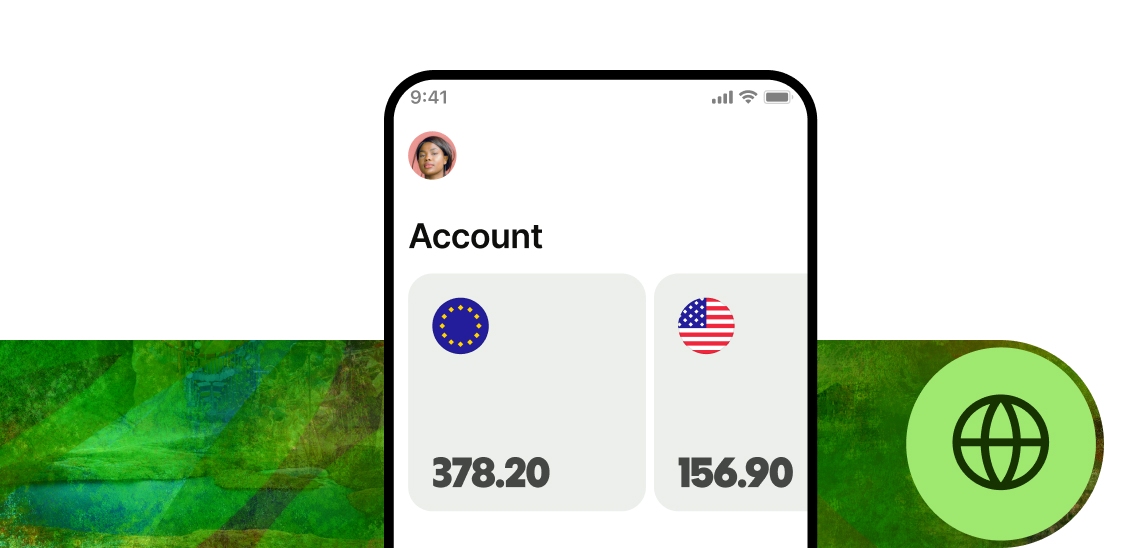
Managing money across borders can be a headache with traditional banks, which often charge high fees and offer poor exchange rates. If you regularly receive income from abroad, a Wise account offers a smarter, more cost-effective alternative.
Unlike traditional banks, Wise uses the mid-market exchange rate and keeps all fees transparent and upfront.
With a Wise account, you get local account details for over 8 currencies (including EUR, USD, and GBP). This allows you to receive your salary or pension like a local, hold various currencies, and either spend them using your Wise debit card or transfer them to your Spanish bank account. It’s faster, cheaper, and makes tracking your foreign income for tax purposes much simpler.
Sources:Last checked: April 17, 2026
*Please see terms of use and product availability for your region or visit Wise fees and pricing for the most up to date pricing and fee information.
This publication is provided for general information purposes and does not constitute legal, tax or other professional advice from Wise Payments Limited or its subsidiaries and its affiliates, and it is not intended as a substitute for obtaining advice from a financial advisor or any other professional.
We make no representations, warranties or guarantees, whether expressed or implied, that the content in the publication is accurate, complete or up to date.

Planning a trip to Spain? Learn how to get the best USD to EUR exchange rate, avoid hidden bank fees, and use Wise to convert money at the real market rate.











