
Do I need a visa to visit New Zealand from the UK: Entry guide
Understand New Zealand's entry requirements from the UK, including NZeTA costs, the mandatory Traveller Declaration, and long-term visa options.


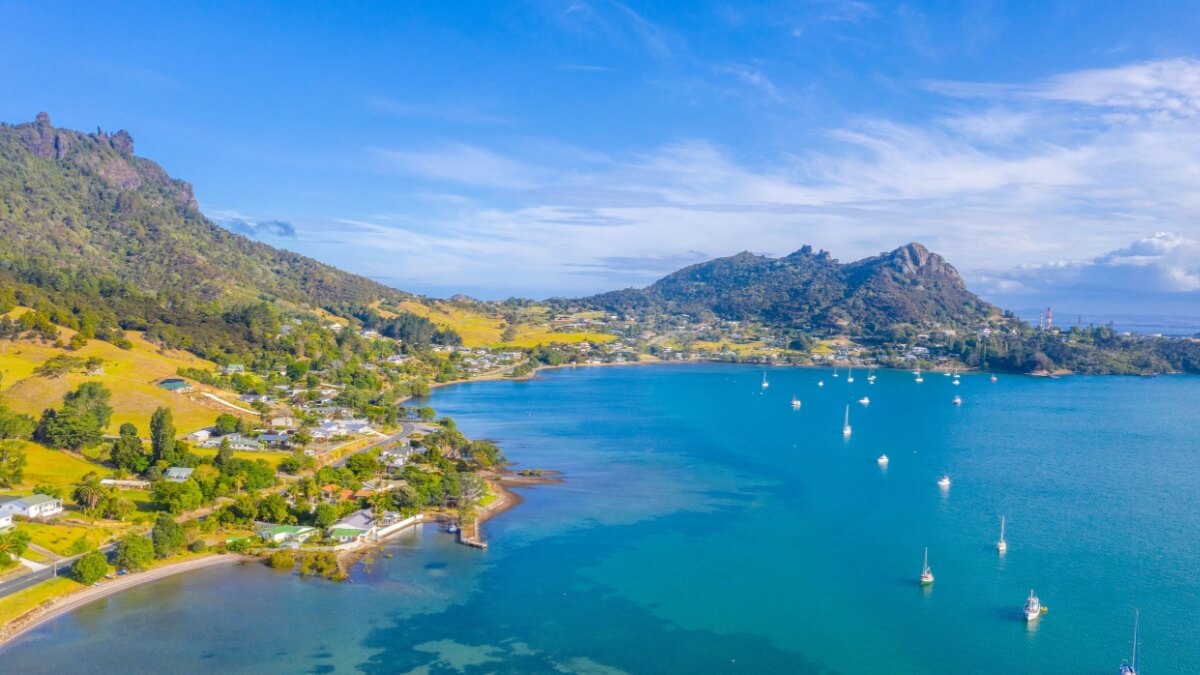
If you’re dreaming of a long distance adventure with stunning scenery, friendly cities and unique wildlife, New Zealand is an excellent choice. From glaciers and fjords to beaches, the country offers lots of different things to see and do. You can visit at any time of year, although the season will affect what you see and how busy each place feels.
Wondering when is the best time to travel to New Zealand from the UK? This guide covers seasonal conditions, flight prices and ideas for what to do across the year. Planning ahead can help you pick the right time, save money and avoid the busiest crowds.
We’ll also mention the Wise card, a cost-effective option for spending in New Zealand. It allows you to spend in 160+ countries, with low, transparent fees* and the mid-market exchange rate.


The best time to travel to New Zealand depends on your travel plans.
Since the country is in the Southern Hemisphere, the seasons are opposite to those in the UK and the warmest months are between December and February. This season is ideal for outdoor activities, but is also the busiest and most expensive.
Spring and autumn offer mild temperatures, colourful landscapes and quieter attractions, while winter is the best option for skiing and snowboarding.
We’ll go through all four seasons to help you decide the best time to travel to New Zealand, along with ideas for experiences you can enjoy throughout the year.
Summer is the most popular season for both local and international travellers. Temperatures range from the low to high twenties in most of the country, so this is a great time for outdoor activities. However, summer holidays increase accommodation prices.
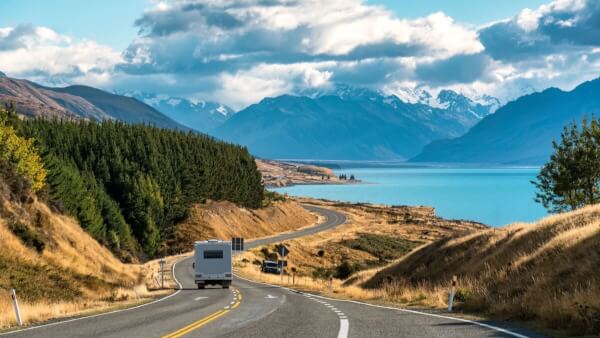
If you enjoy beaches, kayaking, hiking or boat trips, summer is the ideal time to visit. It’s also popular for road trips, especially scenic drives from Queenstown to Glenorchy and the coastal routes around Northland.
There are plenty of festivals during this period, including the New Year celebrations in Gisborne, various open air concerts and food events in Wellington and Auckland. Splore and Marlborough Wine & Food Festival are other big names.
Summer is also an excellent time for wildlife viewing. You can spot seals and penguins around the Otago Peninsula, while the Kaikoura region is famous for whale watching. Many tours operate all year, but the warm weather makes summer particularly enjoyable.
Autumn is one of the best times to travel to New Zealand, with warm days and cooler nights. This season is known for its beautiful foliage, especially in places like Arrowtown near Queenstown, but you might also still be able to swim in parts of the North Island.
This is also a great time for exploring New Zealand’s wine regions. Areas such as Marlborough, Hawke’s Bay and Central Otago host harvest festivals, tastings and food events. Some of the most interesting festivals of this season are the Wellington Fringe Festival, WOMAD, Pasifika and the Arrowtown Autumn Festival.
Accommodation prices begin to drop after the busy summer period, so you’ll have a wider choice of hotels.
Winter brings crisp air and excellent opportunities for snow sports, making it a perfect escape from the UK summer. The South Island can be very cold, especially at night, while the North Island remains milder.
Popular mountain destinations are located on the South Island, such as Queenstown, Wānaka and Mount Hutt. If you plan on visiting this area, you should book accommodation well in advance.
Winter is also a rewarding season for cultural experiences, such as Matariki, the Māori New Year. Other unique activities include stargazing in one of the Dark Sky Sanctuaries and visiting the geothermal regions of Rotorua and Taupō.
Winter is considered the low season in many parts of New Zealand, particularly in coastal areas and national parks outside ski regions. This means cheaper accommodation, fewer crowds and good deals.
Spring is a lovely time to travel to New Zealand and enjoy blossoming trees and newborn wildlife. Temperatures will likely be mild and the days grow brighter, especially in November.
This is a good time for outdoor adventures before the peak summer crowds arrive. Walking and cycling routes such as the Otago Central Rail Trail and New Zealand’s Great Walks become popular. If you plan on visiting attractions like Milford Sound or Kepler Tracks, make sure you book ahead.
Spring is also the prime time to see baby lambs in the countryside. As New Zealand famously has more sheep than people, there are plenty of farm tours available.
From September to November, accommodation prices are lower than in summer, making this a cost-effective option for exploring both islands.
New Zealand offers an incredible mix of outdoor activities, cultural attractions and delicious food experiences. Here are some suggestions for your itinerary.
Māori culture is an essential part of New Zealand’s identity. If you visit a cultural centre or marae, you can learn about traditional storytelling, haka performances and food cooked in a hangi.
You can also book a Māori astronomy tour, called a Tātai Aroraki tour, to learn what the night sky meant to Māori. Rotorua is one of the best places to experience Māori traditions, though cultural tours are available throughout the country.
New Zealand is known for its thirteen national parks, covering an area the size of Belgium. Several of them are UNESCO World Heritage Sites. You can enter for free and even find accommodation in many of them.¹
Fiordland National Park on the South Island is most famous for Milford Sound and Doubtful Sound fiords, while Tongariro National Park offers volcanic landscapes and bright blue lakes. Abel Tasman National Park has different landscapes and is known for its golden beaches and turquoise waters.
New Zealand’s food scene is influenced by both European and Māori traditions. You can enjoy a variety of dishes, including mussels and lamb, paired with award-winning wines. Marlborough is known for sauvignon blanc, while Central Otago has some of the best pinot noir.
Whether you want to explore Milford Sound, visit the vibrant city of Wellington or sample wines in Marlborough, New Zealand is enjoyable at any time of year. Planning ahead helps you make the most of your trip and enjoy everything New Zealand has to offer.
British tourists can enter New Zealand without a visa and stay for up to six months. However, you need to apply for a New Zealand Electronic Travel Authority (NZeTA) and pay the International Visitor Conservation and Tourism Levy before arrival.²
The NZeTA is valid for up to two years. Longer stays or work trips require the appropriate visa.²
There are no direct flights from the UK to New Zealand, so you’ll need at least one stopover.
The most popular airline is China Eastern and the cheapest month currently is May, with fares starting at around £600.³ Flights vary based on a variety of factors including your departure airport and when you book, so always do your research beforehand.
Open a Wise account online and you can order the Wise debit card for a one-time fee of £7. You can use this clever card in 160+ countries.
It automatically converts your pounds to local currency whenever you spend using the mid-market exchange rate, only adding a tiny, transparent conversion fee* – or it’s free if you already have the local currency in your Wise account.
You also get two free ATM withdrawals for up to 200 GBP (or currency equivalent) each month. Wise will not charge you for these withdrawals, but additional charges may occur from independent ATM networks.
Sources used:
Sources last checked on date: 09-Dec-2025
*Please see terms of use and product availability for your region or visit Wise fees and pricing for the most up to date pricing and fee information.
This publication is provided for general information purposes and does not constitute legal, tax or other professional advice from Wise Payments Limited or its subsidiaries and its affiliates, and it is not intended as a substitute for obtaining advice from a financial advisor or any other professional.
We make no representations, warranties or guarantees, whether expressed or implied, that the content in the publication is accurate, complete or up to date.
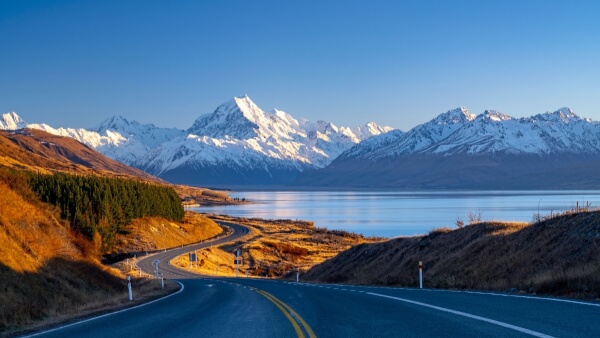
Understand New Zealand's entry requirements from the UK, including NZeTA costs, the mandatory Traveller Declaration, and long-term visa options.

Should you pay with cash or card in New Zealand? A handy guide including cash etiquette, New Zealand ATMs and using your UK card.
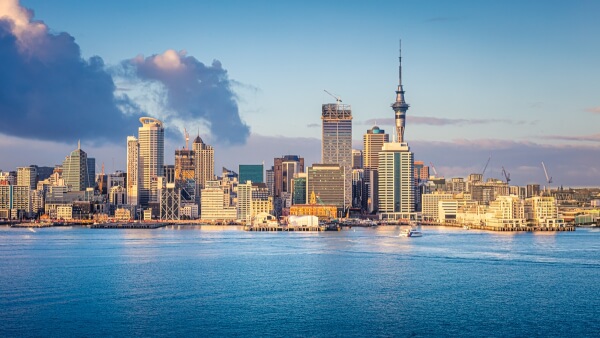
Need to know how much cash can you take to NZ? Read our guide for info on the rules for taking cash in and out of New Zealand.
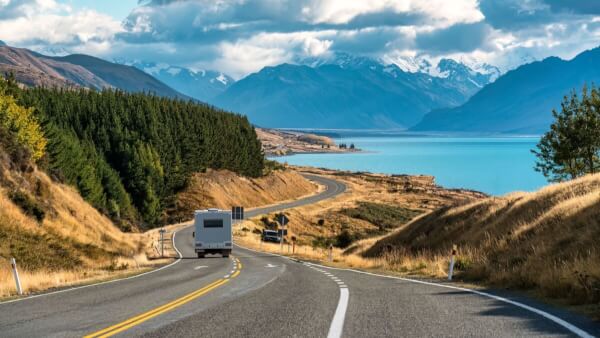
Read our essential guide on travel to New Zealand from the UK, featuring must-know travel advice on money, safety, visas, transport and more.
Check out our in-depth guide on everything you need to know about buying a prepaid New Zealand SIM card, including different providers, pricing, and features.
Whether you’re heading to New Zealand on a once-in-a-lifetime holiday or to set up your new home, you’ll need to find out how money works in the country....









